2026 Top Tub and Shower Doors What Buyers Need to Know
When considering upgrades for your bathroom, selecting the right Tub And Shower Doors is crucial. Industry expert, Emily Lancaster, emphasizes, "A well-chosen door can elevate your space and enhance functionality." In 2026, the market offers many options, each catering to different design aesthetics and practical needs.
As consumers navigate this diverse landscape, they should be aware of key factors. From materials to styles, the right choice impacts both appearance and utility. Glass doors can make a bathroom feel larger, while framed options may provide added durability. Buyers often overlook these details, which can lead to regrets later on.
Another aspect to consider is installation. It's essential to ensure proper fitting for long-lasting performance. A poorly installed door can cause water leaks and damage. This highlights the importance of not just the product choice but also the quality of installation. Thoughtful consideration will lead to a bathroom that reflects personal style and functionality.
Factors Influencing the Selection of Tub and Shower Doors
When selecting tub and shower doors, various factors come into play. One of the most crucial aspects is the door material. Options include glass, acrylic, and composite materials, each offering different durability and aesthetic appeal. Glass doors can create a modern look but may require more maintenance due to water spots. Acrylic, while easier to clean, may not provide the same elegance.
Another significant factor is the door style. Styles range from sliding to hinged options, affecting the overall functionality. Sliding doors work well in smaller bathrooms, saving space. However, hinged doors allow for easier access, suitable for larger showers. Consider the layout of your bathroom when choosing. A confined space might not accommodate wide-opening doors effectively.
Waterproof seals are also essential. Poor sealing can lead to leaks and water damage over time. Testing different seals can seem tedious, but it's a necessary step. Finally, don’t overlook the aesthetic aspect. The colors and finishes of the doors should complement your overall bathroom design. Pay attention to the balance between functionality and style, as achieving the right look can often lead to a compromise. Reflecting on these elements can lead to a more informed choice, ensuring long-term satisfaction.
Types of Tub and Shower Doors Available in 2026
When exploring tub and shower doors in 2026, buyers face a variety of choices. One common type is the sliding door. These doors save space and offer easy access to the shower. Many prefer the sleek design, but they can be harder to clean. Water can accumulate in the tracks, leading to mold. Buyers should consider their maintenance routine before choosing.
Then there's the bi-fold door, which folds in on itself. It works well for small bathrooms since it requires less space. However, this design may not provide the most water-tight seal. Users might experience some leaks if not installed properly. It’s essential to assess your bathroom's layout before deciding on a style.
Frameless glass doors are another option gaining popularity. They add a modern touch and create an illusion of space. However, they often come with a higher price tag. Buyers need to weigh the aesthetic against the budget. Each option has its pros and cons, urging buyers to reflect on their personal preferences and practical needs.
Materials and Finishes: Choosing the Right Options
When choosing tub and shower doors, the materials and finishes play a pivotal role. Common materials include tempered glass, acrylic, and vinyl. Tempered glass is known for its durability and safety, as it shatters into small pieces. According to industry reports, tempered glass doors account for nearly 55% of the market due to their elegant design and ease of cleaning.
Acrylic doors are another popular choice, providing lightweight options that are easy to install. They come in various colors and styles, which can enhance a bathroom's aesthetic. However, they may scratch more easily than glass. Vinyl is often less preferred because while it is cost-effective, it lacks the visual appeal and longevity of glass or acrylic.
Finishes can also impact the overall look and maintenance of the door. Options like chrome, brushed nickel, and oil-rubbed bronze are common. Each finish requires different care and can wear over time. For example, chrome is highly reflective, which can show water spots easily. Brushed finishes may hide fingerprints but need more frequent wiping. The right choice ultimately depends on personal preference and long-term maintenance considerations.
2026 Top Tub and Shower Doors: Material Preference by Buyers
Installation Considerations for Tub and Shower Doors
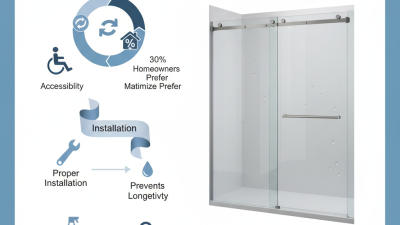
Installing tub and shower doors involves more than just picking a stylish design. Proper installation is critical for performance and longevity. According to a report by Home Innovation Research Labs, nearly 30% of homeowners face leaks due to poor installation. This can lead to significant water damage and mold issues, emphasizing the importance of hiring a qualified professional.
When considering the installation, factors like the type of enclosure and the existing plumbing layout play crucial roles. A well-fitted door system should create a tight seal. Any gaps can lead to water intrusion, causing havoc in your bathroom. Additionally, you need to think about the weight of the doors and the structural capacity of the walls. Heavy glass doors require stronger supports, which is often overlooked during installation.
Many people underestimate the need for accurate measurements. A discrepancy of even a few millimeters can result in an improper fit. In fact, a survey from the National Kitchen and Bath Association indicates that 20% of DIY installations fail due to measurement errors. To ensure success, consider consulting a professional installer familiar with local building codes and industry standards. This knowledge can save you from costly mistakes in the long run.