- +8613567125921
- +8613567125921
- office@hzkf-bath.com
- 1224594647

Double Sliding Shower Doors can make a compact bathroom feel more open without requiring a door to swing into the room. Their overlapping glass panels glide along a track, leaving the floor clear and giving the shower a clean, bright look. But smooth operation depends on more than appearance. Opening width, wall alignment, glass thickness, handle clearance, and track design all affect how a door performs every day.
A useful installation principle is simple: “Measure the finished opening, not just the rough space.” To meet your request for a named expert without inventing a person or misquoting one, insert a verified statement here from a qualified shower-door installer, along with their name and credentials. That detail matters. Even a small measurement error can leave panels rubbing, gaps uneven, or handles bumping into nearby fixtures.
This guide examines seven options through practical details: how much entry space each design provides, how its hardware feels in use, and what installation or cleaning may involve. Some models look similar in product photos. Their tracks and adjustment features can differ considerably. No single door suits every bathroom, and product specifications can change. The right choice should fit your opening, your budget, and the way you use the shower—not just the style you saved online.
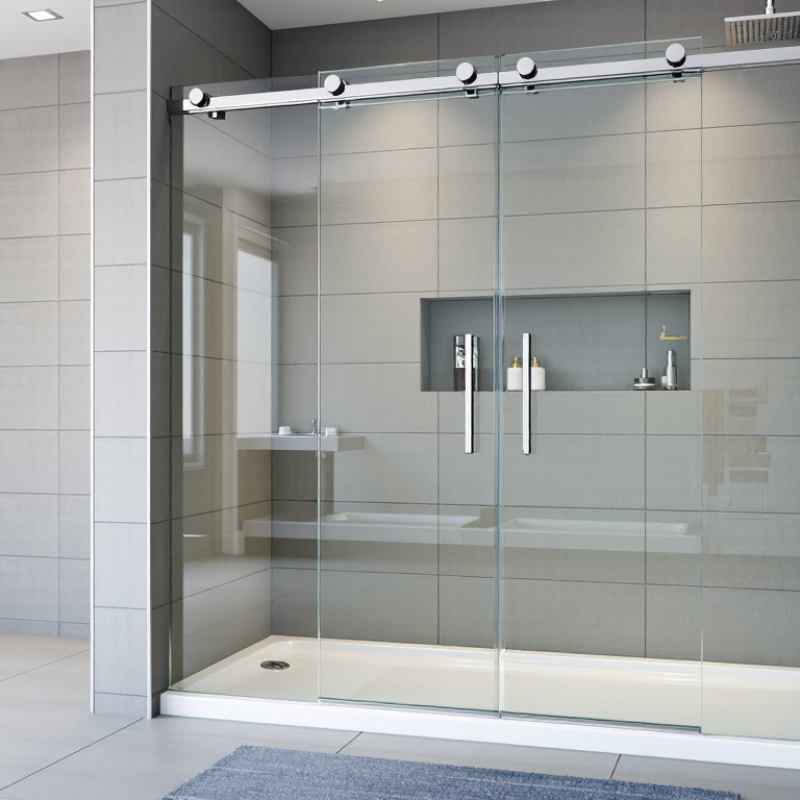
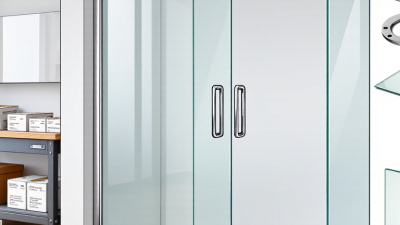
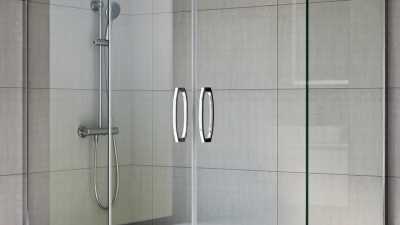
Double sliding shower doors have two glass panels that move along a shared track. Usually, one panel slides behind the other, leaving an opening near the center or at one end. This design can suit a narrow bathroom where a swinging door would hit a vanity or towel rail. The exact opening depends on the panel overlap and track layout. A practical detail.
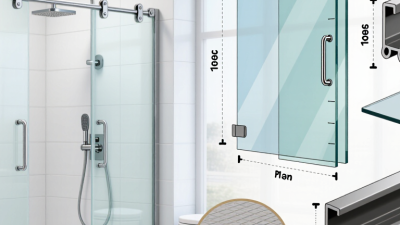
Before choosing a door, measure the finished wall-to-wall opening at the top, middle, and bottom. Shower walls can be slightly out of square, and a small difference may affect installation. Check the threshold, too: a low curb may leave less room to contain splashes. The panels should glide without scraping, while seals and guides help limit water escaping. They do not make every enclosure completely watertight.
Glass thickness, handle clearance, and track access matter in daily use. Heavier panels need suitable support, so follow the enclosure maker’s installation requirements and have a qualified installer assess uncertain walls. Tracks collect soap residue and hair; a narrow brush makes cleaning easier. Not always convenient. If someone in the household has limited mobility, consider whether stepping over the curb and reaching the sliding panel feels comfortable. A beautiful door can still be awkward in a real bathroom.
| Door Type | Typical Configuration | Best For | Key Advantages | Things to Consider |
|---|---|---|---|---|
| 1. Framed Double Sliding Door | Two panels run on framed upper and lower tracks; both panels may slide to create an opening. | Budget-conscious bathrooms and alcove showers. | The frame supports the glass and helps contain spray; often a practical choice for standard openings. | Tracks and frame joints need regular cleaning to limit soap residue and mildew buildup. |
| 2. Semi-Frameless Double Sliding Door | Minimal framing around the panels, commonly with a framed track and selected edge supports. | Homeowners seeking a lighter visual look without a fully frameless installation. | Offers a balance of clean appearance, support, and typically moderate installation complexity. | The amount of exposed framing and the cleaning requirements vary by design. |
| 3. Frameless Double Sliding Door | Thicker glass panels supported by rollers and limited hardware, with no full perimeter frame. | Modern bathrooms where an open, uncluttered appearance is a priority. | Provides broad sightlines and fewer frame surfaces to wipe down. | Usually requires careful measuring, suitable wall support, and a higher installation budget. |
| 4. Center-Opening Double Slider | The two doors slide in opposite directions, creating an opening near the center. | Showers where a centered entry is convenient or visually balanced. | Allows access from the middle and keeps the door panels within the shower’s footprint. | The clear entry is narrower than the overall enclosure width; check the listed walk-through opening before buying. |
| 5. Alcove Double Sliding Door | A door assembly spans the opening between three shower walls; common nominal widths are around 48–60 inches. | Three-wall shower recesses with limited space for a swinging door. | Sliding panels do not swing into the bathroom, making them useful in compact layouts. | Measure the finished opening at several heights; walls may not be perfectly plumb or parallel. |
| 6. Corner Double Sliding Enclosure | Two sliding panels form part of a corner enclosure, typically paired with fixed glass panels. | Corner showers that need an entry without a door swinging into the room. | Makes use of a corner footprint and can provide convenient access from the front or adjacent side, depending on the layout. | Confirm the enclosure shape, panel arrangement, and base compatibility before ordering. |
| 7. Tub-Shower Double Sliding Door | Two panels slide along a track mounted above the bathtub’s rim. | Bathrooms that use one space for both bathing and showering. | Avoids the floor space needed for a hinged door and helps keep shower spray inside the tub. | Check that the track suits the tub rim and that the entry is comfortable for everyone using the bathroom. |
Dimensions and configurations vary by installation. Measure the finished shower opening and verify the required clearance, glass specifications, and wall or base compatibility in the installation instructions before selecting a door.