Best Shower Enclosure Options for Your Bathroom Remodel?
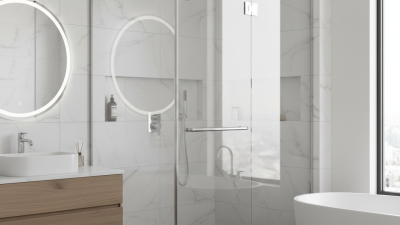
When it comes to bathroom remodeling, choosing the right Shower Enclosure is crucial. Expert Linda Johnson, a seasoned designer in the bathroom industry, emphasizes, "A well-chosen Shower Enclosure can transform the space entirely." It's more than just a functional piece; it significantly affects aesthetics and flow.
In today's market, options abound, from frameless to bi-fold designs. Each type offers unique advantages and can cater to different bathroom sizes and styles. For instance, a frameless Shower Enclosure creates an illusion of spaciousness, ideal for smaller bathrooms. On the other hand, a corner unit may serve a compact space better.
However, making the right choice isn't always easy. Unsuitable materials or incorrect sizing can lead to functional issues later. Homeowners often overlook these details. Reflecting on your needs and the room's layout will guide you. It's important to consider how your Shower Enclosure will fit into your overall design vision while also being practical and durable.
Best Shower Enclosure Materials: Pros and Cons Explained
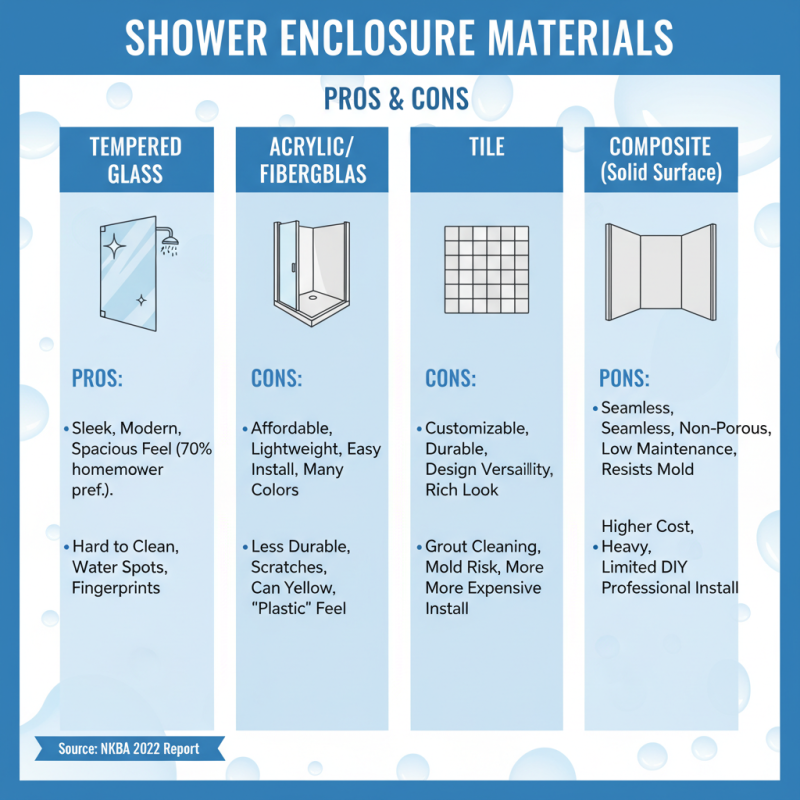
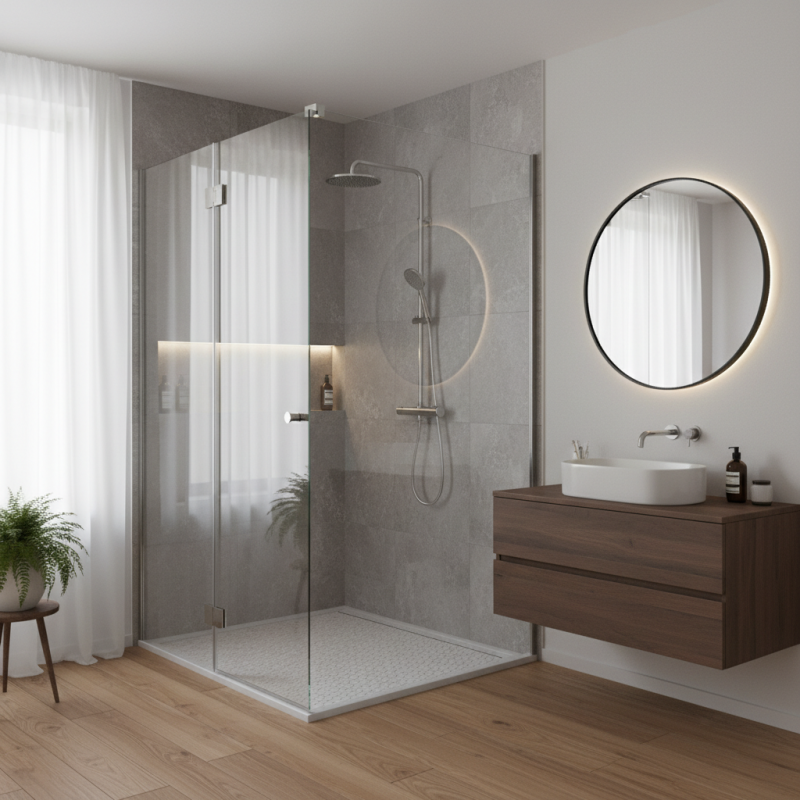
Choosing the right shower enclosure materials is crucial for a bathroom remodel. Each material comes with its pros and cons. For instance, glass is popular for its sleek look. According to a 2022 report by the National Kitchen and Bath Association, 70% of homeowners prefer glass enclosures. It creates an open feel, but can be hard to clean. Streaks and fingerprints often mar its elegance.
Acrylic is a lighter, more affordable option. It’s resistant to chipping and scratching. However, it can fade over time under harsh sunlight. Home improvement studies show that about 40% of homeowners express concerns about durability when choosing acrylic. This material can feel less premium compared to glass. It’s essential to weigh your needs against your budget.
Tile brings a classic aesthetic but is time-consuming to install. Water can seep through grout lines, leading to mold growth. Data indicates that nearly 30% of remodelers face maintenance issues with tiled enclosures. Finding the right balance between aesthetics and practicality is vital. Mistakes here can lead to costly repairs down the road.
Types of Shower Enclosures: Framed, Frameless, and Bi-Fold Options
Choosing the right shower enclosure is vital for a bathroom remodel. There are several types to consider. Framed shower enclosures are popular. They come with a metal frame that adds support. However, some find them bulky. Cleaning between the frames can be tedious.
Frameless options provide a sleek and modern look. They use thick glass panels without frames. This can make a bathroom feel more open. Yet, they are pricier and may require careful handling. Some homeowners worry about the glass shattering.
Bi-fold shower enclosures are another choice. They fold in on themselves, saving space. This is great for smaller bathrooms. However, the hinges may wear over time, causing issues. Each option has trade-offs. It's vital to weigh these before making a decision.
Best Shower Enclosure Options for Your Bathroom Remodel
This chart represents the popularity of various types of shower enclosures based on a survey of bathroom remodel trends. Framed options are the most popular, followed by frameless enclosures, with bi-fold options being the least favored.
How to Measure Your Bathroom Space for a Perfect Fit
Measuring your bathroom for a new shower enclosure is crucial. Start by determining the space available. Use a tape measure to get accurate dimensions. Measure the width and height of the area where the enclosure will go. Take note of any obstructions, like plumbing or cabinets, that could affect the fit. Write everything down. It helps to see your measurements visually.
Consider the type of shower enclosure that fits your space. Will it be a corner unit or a straight wall placement? Each option has different requirements. You might need to remeasure after deciding on the style. Walls can be tricky. Are they perfectly straight? If they aren't, you should account for that in your measurements. Sometimes, you may need a custom solution.
Don't forget about the door swing. Shower doors need space to open. Make sure you have at least a couple of feet of clearance. Think about accessibility as well. What if someone needs more room? These details matter. Even a slight measurement error can lead to a less-than-perfect fit. Take your time with this process. It’s worth it.
Design Considerations: Style and Aesthetics in Shower Enclosures
When choosing a shower enclosure for your bathroom, aesthetics play a vital role. A well-designed enclosure can enhance the overall feel of your space. Consider materials like glass, which can create an open, airy atmosphere. Frosted options can provide privacy while maintaining a sleek look. The frame style also matters; a minimalist design often blends seamlessly with modern decor.
Color schemes should be cohesive with your bathroom palette. Neutral tones typically work well, but bold colors or patterns can add personality. Balance is essential; an overly ornate enclosure may overshadow other elements in your bathroom. Utilize lighting effectively. Well-placed lights can highlight the enclosure's design features, creating an inviting atmosphere.
Don't forget about practicality. Ensure that the design allows easy access and maintenance. Some enclosures may look stunning but can be challenging to clean. Reflect on your needs and preferences. What may seem perfect today might not fit your future lifestyle. A balance of beauty and functionality is crucial for a successful shower enclosure choice.
Budgeting for Your Shower Enclosure: Costs and Installation Tips
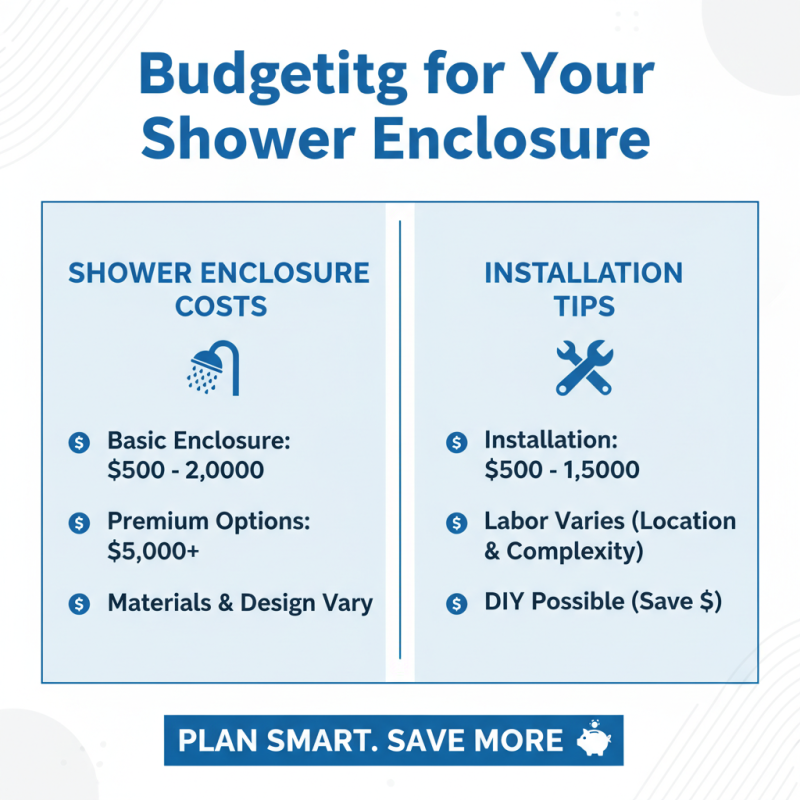
When planning for a shower enclosure, budgeting is crucial. Average costs for a basic shower enclosure range from $500 to $2,000, depending on materials and design. Premium options can exceed $5,000. Installation typically adds an extra $500 to $1,500. Labor costs vary based on location and complexity.
A study by the National Kitchen and Bath Association indicates that homeowners often overlook hidden expenses. These can include plumbing adjustments or additional waterproofing measures. It's wise to set aside an extra 15% to 20% of your total budget for unexpected costs.
Choosing the right materials is key. Glass enclosures are popular but can be pricey. Consider tempered glass for durability, though it may require professional installation. Acrylic enclosures are lighter and less expensive, but may not offer the same aesthetic appeal. Reflecting on your needs and budget will help in finding the right balance.