Top Bathtub Glass Door Types Which One Is Best?
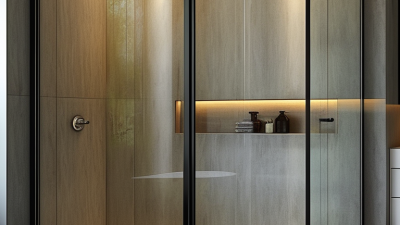
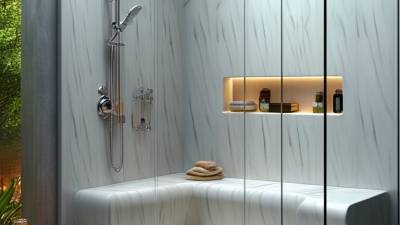
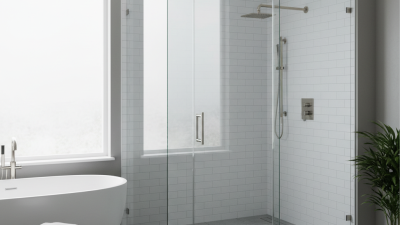
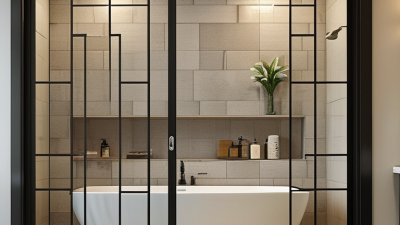
Choosing the right Bathtub Glass Door is not only a style decision. It affects water control, cleaning effort, accessibility, and long-term bathroom safety. Sliding doors suit compact bathrooms because they need no swing clearance. Pivot doors often provide a wider opening, but their arc can conflict with toilets, vanities, or narrow walkways. Folding models save space differently, while fixed panels create a lighter, more open appearance. Each type solves a different problem.
Industry research supports a practical approach. The National Kitchen & Bath Association’s 2024 Bathroom Design Trends Report highlights continued interest in improved functionality, aging-in-place features, and easier maintenance. Houzz’s 2024 U.S. Bathroom Trends Study also shows that homeowners are investing in bathroom upgrades, often focusing on comfort and updated finishes. These findings do not identify one universally superior door. They suggest that the best choice depends on room dimensions, user needs, and installation quality.
Safety deserves equal attention. A reputable installer should specify safety glazing that meets applicable standards, such as ANSI Z97.1 and CPSC 16 CFR 1201 requirements in the United States. Accurate measurements matter. So do properly sealed edges, strong wall anchoring, and smooth hardware operation. In real bathrooms, a beautiful door can still fail when the tub is uneven or the shower spray is poorly positioned. That is easy to overlook. This guide compares the main Bathtub Glass Door types, balancing appearance, access, maintenance, cost, and practical performance. The “best” option may be less glamorous, but more dependable.
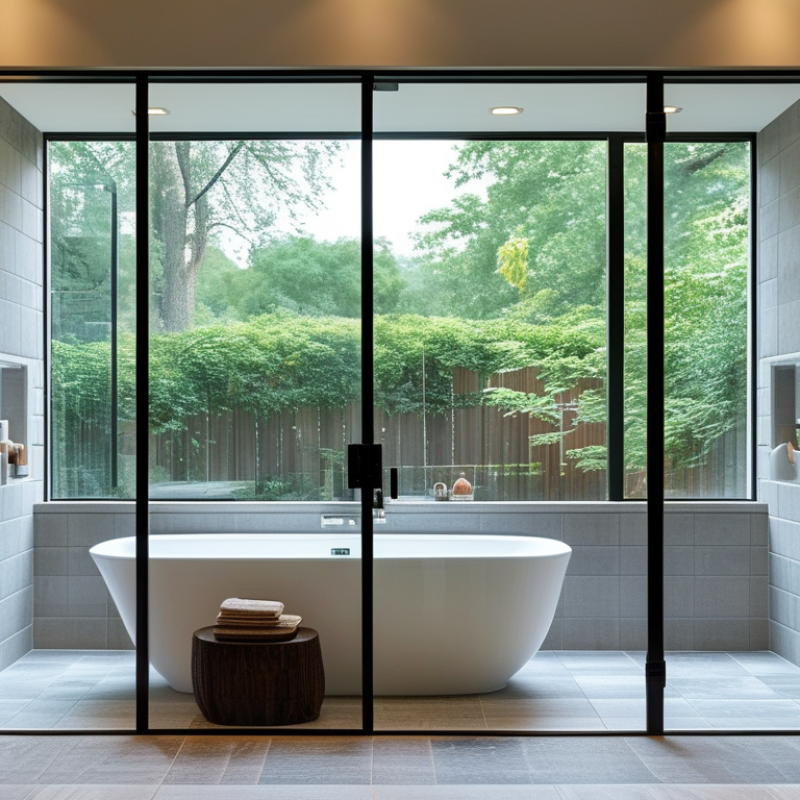
Bathtub Glass Door Basics: ANSI Z97.1 and CPSC 16 CFR 1201 Safety Glass
Choosing a bathtub glass door starts with safety, not only appearance. Tempered glass should comply with ANSI Z97.1 and CPSC 16 CFR 1201. These standards evaluate architectural glazing through impact testing and require safety-related identification. The federal rule separates products by size. Category II applies when the exposed glazing area exceeds 9 square feet (CPSC, 16 CFR 1201). That detail matters for wide sliding panels and frameless enclosures.
ANSI Z97.1 also addresses impact performance, fragmentation, and permanent markings. A compliant panel should break into small, less dangerous particles instead of sharp knife-like shards. However, tempered glass is not unbreakable. Hard impacts, damaged edges, poor drilling, or installation stress can still cause failure. CPSC’s National Electronic Injury Surveillance System tracks emergency-department product injuries, yet its data cannot confirm whether a specific door was correctly tested or installed.
Before purchase, check the safety mark, glass thickness, panel dimensions, and installer documentation. Keep the bottom edge away from direct contact with metal hardware. Hinges should align smoothly, and screws should never force the glass sideways. I have seen attractive installations fail because the frame was slightly out of square. That is easy to underestimate. ANSI approval supports material performance, but careful measuring and professional installation remain essential. A door can meet the standard and still become risky when maintenance is ignored. Inspect chips, loose hardware, and unusual movement regularly. Replace damaged glass rather than waiting for a dramatic break.
Framed Doors: Compare 1/4-Inch Glass, Seals, Cost, and Water Control
Framed bathtub doors remain practical because their metal perimeter supports thinner, tempered glass. A common choice is 1/4-inch glass. It feels solid, yet usually costs less than heavy frameless construction. The 2024 U.S. Houzz Bathroom Trends Study surveyed more than 1,800 renovating homeowners. Its findings reinforce a clear preference for durable, easy-care shower improvements. That preference matters in a busy family bathroom.
Seals control the details. A bottom sweep should touch the tub rim without folding or dragging. Side seals must meet evenly, especially near the hinge. Small gaps can send water onto the floor. Poorly aligned doors can fail, even with good glass. That is the part installers sometimes underestimate. The 2024 HomeAdvisor cost guide places shower-door projects broadly around $600 to $1,900, including installation, while bathtub-door pricing is often lower. Local labor and wall conditions change the number considerably. Measure twice.
A framed door also needs a slightly sloped tub edge or careful adjustment. Otherwise, water may collect beneath the track. Cleaning becomes annoying. Tempered safety glass should comply with applicable glazing standards, such as ANSI Z97.1, and installers should verify the current local requirements. In practice, 1/4-inch framed glass suits buyers who value predictable cost and dependable water control more than a completely open appearance. It is not flawless. Metal tracks collect residue, and inexpensive seals eventually harden. Regular rinsing helps, but replacement remains part of ownership.
Semi-Frameless Doors: Evaluate 3/8-Inch Glass and Structural Support
Semi-frameless bathtub doors combine a clean appearance with limited metal support. Their 3/8-inch tempered glass feels substantial, but thickness alone does not guarantee stability. The National Glass Association identifies 3/8-inch glass as a common heavy-glass thickness for shower enclosures. However, the wall, hinges, clips, and header must share the load. A weak stud connection can cause movement, even with thick glass. That detail is often overlooked.
Professional installation should follow ANSI Z97.1 and CPSC 16 CFR 1201 safety-glazing requirements. These standards address impact performance and safety marking, not just appearance. Measure the tub’s threshold carefully. A small slope can leave water beside the hinge or bottom seal. Use solid blocking behind every hinge and support channel. Tile alone is not structural support. In field inspections, loose fasteners and poorly aligned doors are more common concerns than glass thickness itself. That assumption deserves review.
Tips: Ask for the glass safety label and installation specifications before ordering. Check whether the wall contains wood or metal blocking. Open the door slowly after installation; it should move without rubbing, scraping, or dropping. If the enclosure feels heavy, do not “adjust it later.” Recheck the hinges and anchors immediately. A semi-frameless design can look minimal, but its hidden support must be precise.
Frameless Doors: Assess 3/8–1/2-Inch Glass, Hardware, and Stability
Top Bathtub Glass Door Types: Which One Is Best?
Frameless bathtub doors create a clean, open appearance, but their stability depends on more than appearance. In practical installations, 3/8-inch tempered glass often provides a balanced combination of strength, manageable weight, and easier handling. It feels substantial. Half-inch glass offers greater rigidity and a more premium presence, yet it adds weight and demands stronger wall support. Thicker is not automatically better.
Hardware deserves careful attention. Solid hinges, accurately fitted brackets, and corrosion-resistant finishes help the door operate smoothly beside constant moisture. The hinge position should align with structural framing or properly installed reinforcement, not simply surface tile. A small installation error can create uneven gaps, rubbing, or unwanted movement. That detail matters.
Stability also depends on the tub deck, wall alignment, and door width. Wider panels may need a support bar or carefully planned hinge placement, even when using 1/2-inch glass. Professional installers check plumb walls, measure the finished opening, and leave suitable clearance above the tub. Tempered glass is safer than ordinary glass because it breaks into smaller pieces, but it still requires correct handling and inspection.
My first preference was always the thickest available glass. I have reconsidered that view. A well-supported 3/8-inch door can outperform a poorly installed 1/2-inch door. The best choice balances glass thickness, hardware quality, wall structure, and daily use.
Top Bathtub Glass Door Types: Which One Is Best? — Frameless Doors
Frameless bathtub doors commonly use tempered glass in 3/8-inch or 1/2-inch thicknesses. Thicker glass adds weight and rigidity, but overall stability also depends on panel size, hinge capacity, wall anchoring, and professional installation.
The approximate glass mass is calculated using a typical glass density of 2,500 kg/m³. A 1/2-inch panel is about 33% heavier than a 3/8-inch panel, so the hardware and wall structure must be rated for the total door weight. Glass thickness alone does not guarantee stability.