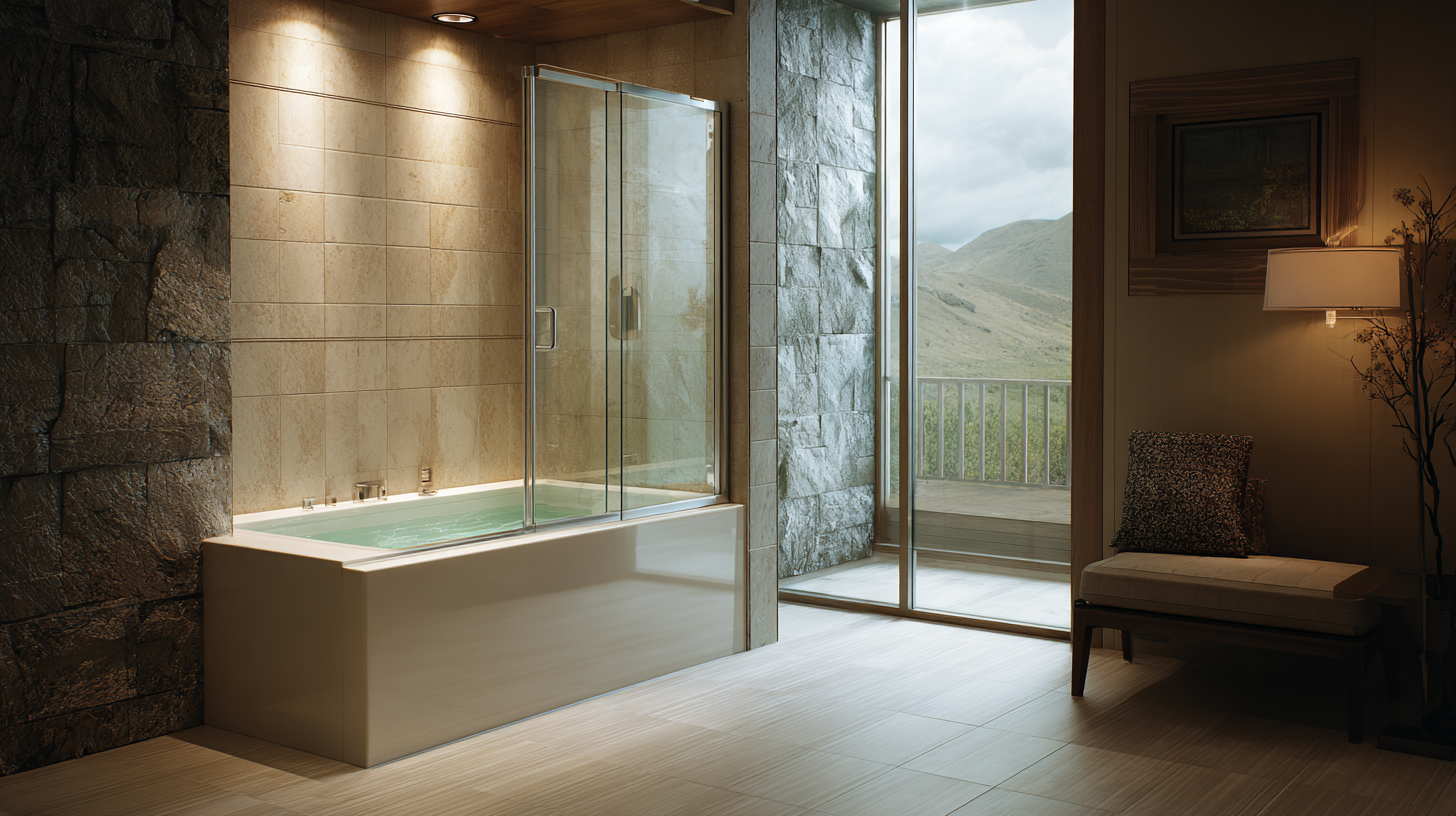
Choosing Between Tub And Shower Doors: A Comprehensive Guide to Modern Bathroom Design
In today's modern bathroom design, the choice between
Tub And Shower Doors
is a significant consideration for homeowners looking to enhance both functionality and aesthetics. According to the
National Kitchen and Bath Association, over
70% of homeowners prioritize the installation of contemporary shower solutions when renovating their bathrooms. The increasing trend towards open, spacious designs has led to a rise in the use of
frameless glass doors, which have been reported to boost the perceived value of a bathroom remodel by approximately
35%. Moreover, a survey conducted by
Houzz indicated that
65% of homeowners believe that a well-designed shower space, including the appropriate
Tub And Shower Doors, is essential to their overall satisfaction with the home. With such compelling statistics, understanding the factors that influence this decision—such as size, style, and material—becomes imperative for those looking to create a truly modern bathing experience.
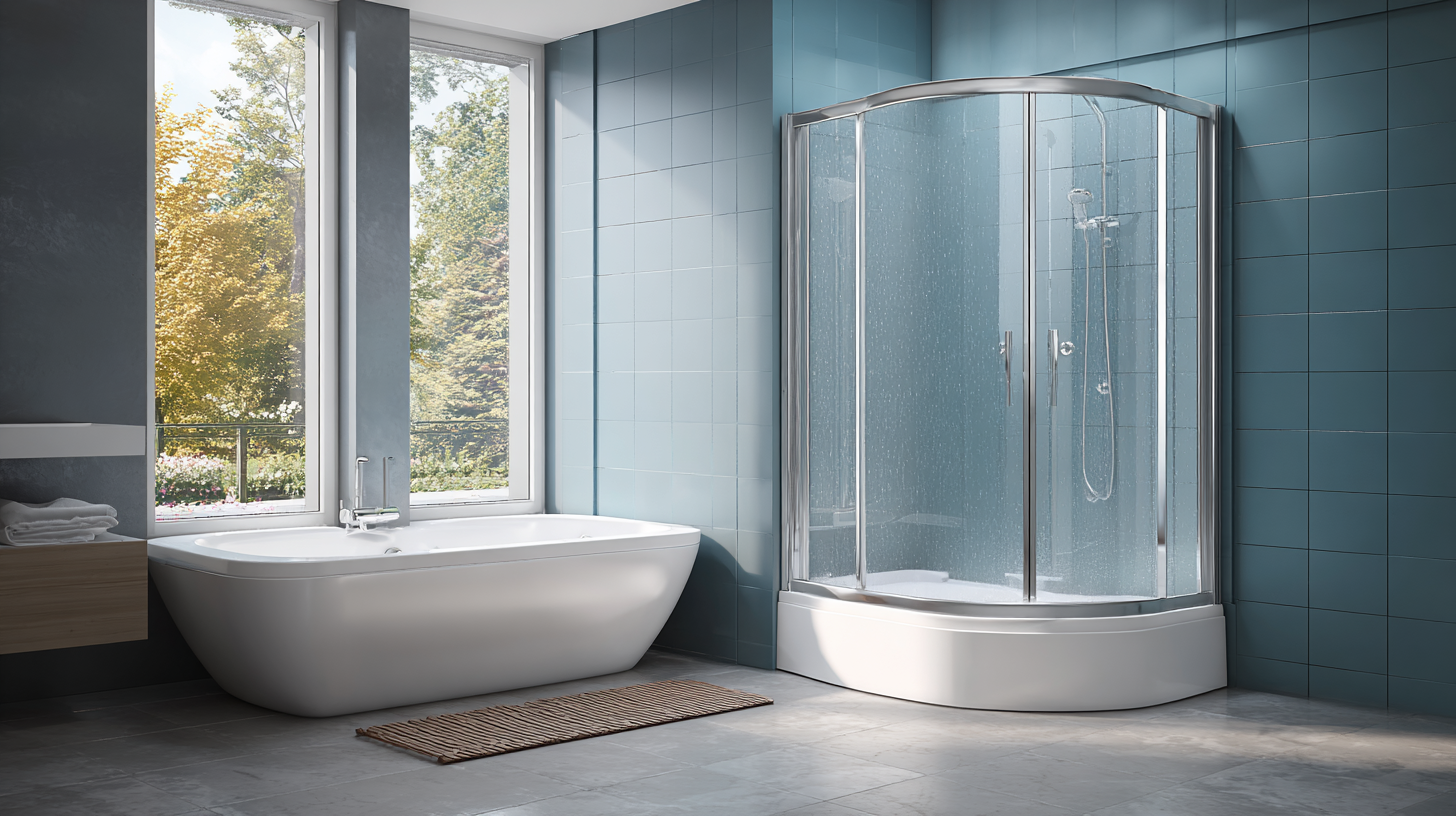
Understanding the Key Differences: Tub vs. Shower Doors in Bathroom Design
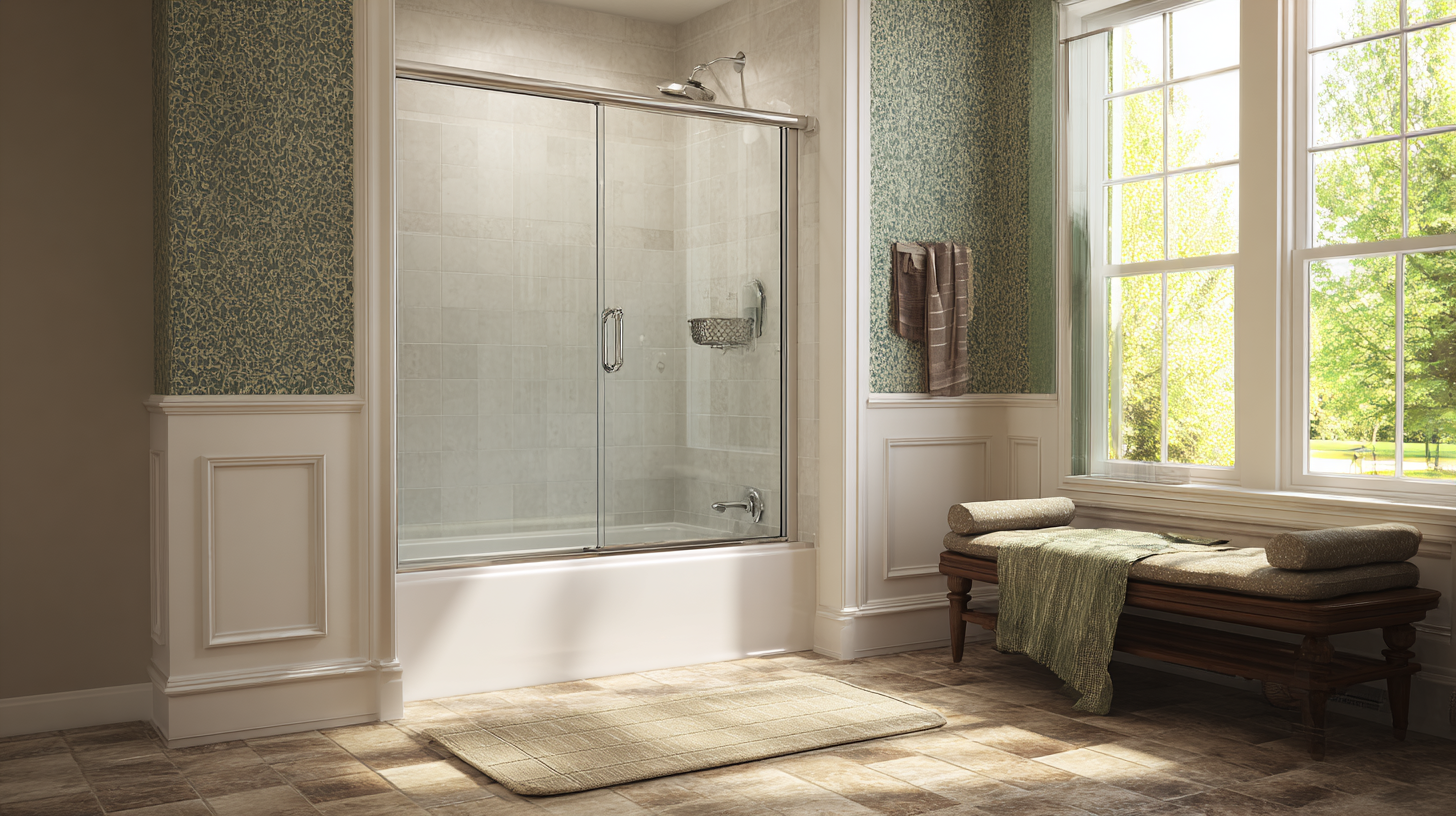
When selecting between tub and shower doors in modern bathroom design, understanding the key differences is essential for making an informed choice. Tub doors typically cater to spaces where a bathtub is the primary feature, offering a blend of functionality and aesthetics. They can be sleek and sliding, saving space while maintaining a luxurious feel, or framed for a more traditional look, providing a focal point in the bathroom. This option is ideal for those who enjoy long baths and want to create a cozy and inviting atmosphere.
On the other hand, shower doors are designed for standalone shower setups and often showcase a more contemporary design. They come in various styles, including frameless glass options that enhance the feeling of openness and lightness in the bathroom. Shower doors allow for easier access and can be more practical for smaller spaces, promoting a minimalist aesthetic. When choosing between the two, consider the layout of your bathroom, your bathing preferences, and the overall design theme you wish to achieve. These factors will guide you to a choice that best complements your space and meets your needs.
Design Considerations: Aesthetic Styles for Tub and Shower Doors
When selecting tub and shower doors, aesthetic styles play a crucial role in defining the overall look of a modern bathroom. Whether opting for sleek glass enclosures or classic framed designs, the choice significantly impacts not only functionality but also the ambiance of the space.
For a contemporary feel, frameless glass doors provide a clean, unobtrusive look that enhances the room's openness, allowing natural light to flow seamlessly. This minimalist style is favored in modern homes, as it harmonizes with various decor themes, from industrial to Scandinavian designs.
On the other hand, if you prefer a more traditional touch, framed glass doors can add a vintage charm while still offering a sophisticated appearance. These styles are often available in various finishes—such as bronze, silver, or black—that can be tailored to mesh with existing fixtures.
Furthermore, decorative options like patterned or frosted glass provide an opportunity to infuse personality into the bathroom, enhancing privacy without compromising on style. Ultimately, the goal is to find a balance that complements your personal preferences and the overall design ethos of your home.
Space Optimization: How to Choose Based on Bathroom Layout
When optimizing space in a modern bathroom, the choice between a tub and shower doors is heavily influenced by the bathroom layout. In smaller bathrooms, shower doors often emerge as the preferable option due to their compact design. They can create an illusion of a larger space, especially when using clear glass. This choice not only maximizes the usable area but also enhances the overall aesthetic, allowing for a seamless visual flow that is particularly important in cozy environments.
On the other hand, in more spacious bathrooms, incorporating a tub can provide a luxurious touch while still maintaining functionality. Here, the selection of tub doors becomes crucial. Frameless designs can complement the openness of larger bathrooms, contributing to a modern look without overwhelming the space. It’s essential to consider the surrounding elements, such as cabinetry and vanity placement, as these will affect the accessibility and ease of use. Ultimately, understanding the nuances of your bathroom's layout will guide you in making the best choice between tub and shower doors, ensuring both style and efficiency.
Choosing Between Tub And Shower Doors: A Comprehensive Guide to Modern Bathroom Design
| Feature |
Bathtub Doors |
Shower Doors |
| Space Requirement |
Requires more horizontal space due to swinging doors |
Compact and space-saving, ideal for smaller bathrooms |
| Accessibility |
Easier for older adults and children to step in and out |
May require stepping over a higher threshold |
| Aesthetic Options |
Available in various styles, including frameless and framed |
Modern designs often feature clear glass for a sleek look |
| Maintenance |
Can trap soap scum and require regular cleaning |
Easy to clean, especially with frameless designs |
| Cost |
Generally lower cost than shower doors |
Higher cost, particularly for custom or high-end options |
Material Matters: Pros and Cons of Glass, Acrylic, and Other Options
When selecting materials for tub and shower doors, the choice between glass, acrylic, and other options significantly impacts both functionality and aesthetics. According to a 2022 report from the National Kitchen and Bath Association (NKBA), over 70% of bathroom remodels now incorporate some form of glass door, highlighting its popularity due to its sleek design and ability to create an illusion of space. Glass options come in various thicknesses, with tempered glass being the most recommended for safety and durability. However, potential buyers should note that while glass provides clarity and style, it requires regular cleaning to maintain its pristine appearance.
On the other hand, acrylic doors offer a more budget-friendly and lightweight alternative. With a 30% lower cost compared to tempered glass, acrylic is appealing for homeowners looking to update their bathrooms without breaking the bank, as indicated by a 2023 Home Improvement Survey. Additionally, acrylic is resistant to cracks and scratches, making it low-maintenance. However, it is essential to be mindful that while acrylic can mimic the look of glass, it tends to fade over time and may not have the same high-end feel. Ultimately, the decision hinges on balancing budget, aesthetics, and maintenance preferences.
Material Comparison for Tub and Shower Doors
This chart illustrates a comparative rating of different materials used for tub and shower doors, highlighting their pros and cons based on functionality, aesthetic appeal, and maintenance considerations.
Budgeting for Your Bathroom: Cost Analysis for Tub and Shower Doors
When considering a bathroom renovation, budgeting for tub and shower doors is crucial as it can significantly impact overall costs. According to a recent study by the National Kitchen and Bath Association (NKBA), homeowners typically allocate 5-10% of their total bathroom remodel budget on doors and enclosures. For a mid-range renovation costing around $15,000, this means that you should expect to spend between $750 and $1,500 on quality tub and shower doors.
The type of doors selected—whether framed, semi-frameless, or frameless—will play a pivotal role in the overall expenditure. A report from Remodeling Magazine indicates that frameless shower doors can cost anywhere from $900 to $2,500, depending on the size and glass thickness. On the other hand, framed options usually start at about $400, making them a more budget-friendly choice while still enhancing the bathroom’s aesthetic. Evaluating these options early in the budgeting phase will help ensure that you make informed decisions that align with your design vision and financial capabilities.