How to Choose the Best Frameless Shower Door for Your Bathroom?
Choosing the best Frameless Shower Door for your bathroom can be a daunting task. Daniel Smith, a leading expert in bathroom design, states, "A seamless shower door can transform a space and elevate your bathroom’s aesthetics." His insight reflects the significant impact that a well-chosen Frameless Shower Door can have.
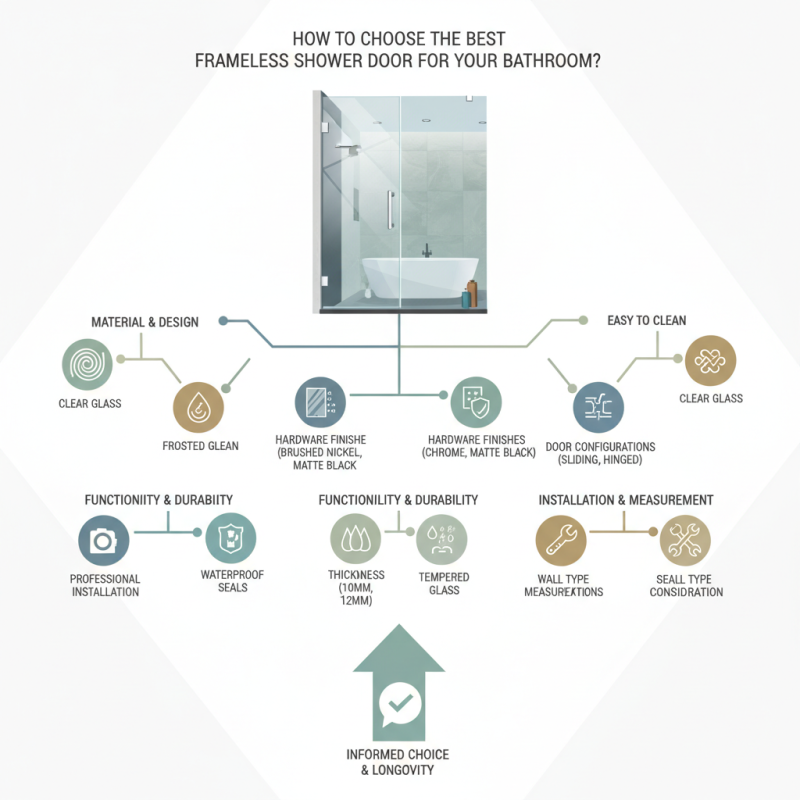
Today’s market offers a variety of options, making the selection process complex. Homeowners must consider material, design, and functionality. The right Frameless Shower Door should not only complement your space but also provide durability. Quality is paramount; it reflects in both safety and longevity.
Many overlook the importance of proper installation and fitting. A poorly fitted door can lead to leaks and damage over time. Taking the time to measure and evaluate your shower space is critical. Inadequate planning can lead to frustration and extra costs. Reflecting on these factors will help you make a more informed choice.
Understanding the Benefits of Frameless Shower Doors
Frameless shower doors have become a popular choice for modern bathrooms. Their sleek design offers a contemporary look. The polished glass creates an illusion of space, making smaller bathrooms feel larger.
When you remove the bulky frames, light can flow freely. This enhances the overall lighting and ambiance.
There are several benefits to consider. Frameless doors are easier to clean than traditional models. Without the metal frames, there are fewer places for grime to hide. This can save you time on maintenance. They also provide a more open, airy feel, promoting relaxation during showers. However, it’s essential to ensure proper installation. Ill-fitted doors may result in leaks, requiring costly repairs.
Despite their advantages, frameless shower doors have some drawbacks. They tend to be more expensive than framed options. Some homeowners may struggle with breakage due to their glass design. Choosing the right thickness and quality glass is vital. Reflecting on these factors can help you make an informed decision.
Evaluating Different Styles and Designs for Your Bathroom
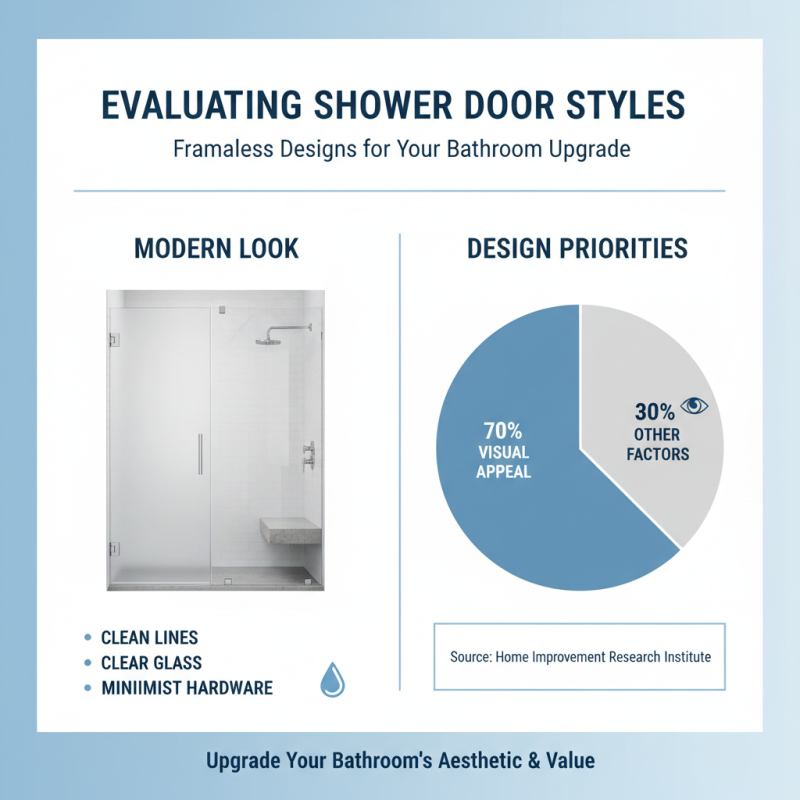
When selecting the perfect frameless shower door for your bathroom, style and design play crucial roles. Different styles cater to various aesthetics. For a modern look, consider minimalist designs with clean lines and clear glass. Data from the Home Improvement Research Institute indicates that about 70% of homeowners prioritize visual appeal in their bathroom upgrades.
Transitional designs blend contemporary and traditional elements. They offer flexibility and adaptability. If your bathroom features classic fixtures, a transitional door can harmonize the space without overwhelming it. Also, consider the thickness of the glass. Typical options range from 1/4 inch to 1/2 inch. Thicker glass adds a sense of luxury but increases costs.
When choosing a door, think about functionality, too. For limited spaces, bi-fold doors are an excellent solution. They maximize space without sacrificing style.
Tip: Always verify the local building codes before installation. This ensures compliance and safety. Lighting can dramatically impact the appearance of a shower door. Natural and artificial light can enhance glass clarity and sparkle, creating a more inviting atmosphere.
Ultimately, your choice should reflect personal taste while ensuring practicality. Consider how often you use your shower and your routine. Reflecting on these factors will help align your design choices with functional needs.
Measuring Your Shower Space for the Perfect Fit
Measuring your shower space accurately is critical when choosing the best frameless shower door for your bathroom. A miscalculation can lead to installation challenges and compromises in aesthetics. According to industry reports, over 30% of homeowners make measurement errors when upgrading their bathroom fixtures.
Begin by measuring the width and height of the shower opening. Ensure you measure from the top to the bottom. Taking measurements from wall to wall helps ensure a snug fit. Pay attention to any irregularities in your shower area. These can affect the door's overall fit and seal.
Tips: Double-check your measurements before finalizing choices. Consider hiring a professional for precise assessments. If your opening isn’t square or uniform, you may want to explore customizable options. Remember, even minor misalignments can lead to water leakage over time, making it crucial to get it right the first time.
How to Choose the Best Frameless Shower Door for Your Bathroom? - Measuring Your Shower Space for the Perfect Fit
| Measurement Dimension |
Description |
Typical Range |
Notes |
| Width |
The total width of the shower opening where the door will be installed. |
22 - 36 inches |
Consider the hinge placement for proper functionality. |
| Height |
The height of the shower opening from the floor to the top. |
72 - 80 inches |
Ensure it matches the showerhead height for optimal use. |
| Depth |
The depth of the shower enclosure, usually from the wall to the shower wall. |
30 - 48 inches |
Helps determine door type (bi-fold, sliding). |
| Wall Length |
Length of the wall that the shower doors will attach to. |
Varies based on shower layout |
Essential for swing and sliding door configurations. |
| Threshold Height |
Height of the shower threshold where the door will be mounted. |
0 - 6 inches |
Needed for watertight seals and door clearance. |
Choosing the Right Glass Thickness and Safety Features
When selecting a frameless shower door, glass thickness and safety features are essential. The typical thickness for shower doors ranges from 1/4 inch to 3/8 inch. According to industry standards, 3/8-inch glass provides better durability. It can handle temperature variations without shattering. This thickness also resists everyday wear, giving you a longer-lasting installation.
Safety features are non-negotiable in any bathroom renovation. Tempered glass is advisable, as it breaks into small, less harmful pieces if shattered. A report by the Glass Association highlights that tempered glass is five to ten times stronger than standard glass. This increased strength is crucial for preventing accidents. Consider edges too; polished edges reduce injury risks compared to sharp edges.
Despite these advantages, choosing thick glass can pose challenges. Heavier panels require robust hardware for proper support. You may face installation difficulties or require muscle power during setup. It's vital to weigh these factors against aesthetics and functionality to ensure your bathroom remains a safer place.
How to Choose the Best Frameless Shower Door: Glass Thickness and Safety Features
This chart illustrates customer preferences regarding glass thickness and safety features for frameless shower doors. The majority of customers prefer 3/8" and 1/2" glass thicknesses, along with essential safety features and a warranty, indicating their priorities in making decisions on shower door purchases.
Exploring Hardware Options and Installation Considerations
When selecting a frameless shower door, hardware options play a critical role in functionality and aesthetics. Most frameless doors utilize hinges that are adjustable, allowing for precise installation. According to a 2020 industry report, nearly 70% of homeowners prioritize durable, high-quality hardware for their bathroom upgrades. Stainless steel, often preferred for its resistance to corrosion, stands out as a prime choice. Brass and aluminum are also popular, yet their longevity may not match stainless steel.
Installation considerations are equally essential. Proper sealing is crucial to prevent leaks. A 2021 study indicated that nearly 30% of shower doors fail due to improper installation. Ensuring the walls are plumb and level can mitigate this risk. Many opt for professional installation for the best results, though DIY installation can work if done carefully. Simple mistakes, like misaligned hinges or inadequate caulking, can lead to significant issues later on. It's vital to prioritize not just aesthetics but also the technical aspects of installation.