10 Tips for Choosing the Right Shower Screen
Choosing the right Shower Screen can change how your bathroom feels, functions, and lasts. Clear glass can make a compact room appear larger. Framed designs may offer extra stability and easier adjustment. The best choice depends on more than appearance.
Begin with accurate measurements. Check the wall width, floor level, ceiling height, and door swing. A few millimetres can affect installation. Consider who uses the bathroom daily. Children, older adults, and busy households may need safer access and simpler cleaning.
Quality matters. Look for toughened safety glass, dependable seals, corrosion-resistant hardware, and a design suited to constant moisture. An experienced installer can identify uneven walls, weak fixing points, or drainage problems before they become expensive repairs. Ask about product warranties and cleaning requirements. Reliable suppliers should explain these details clearly.
Still, no screen solves every bathroom problem. A frameless model may look elegant but can show water marks quickly. A budget option may fit today, then frustrate you with loose seals later. Even experienced renovators sometimes focus too much on style. I have found that opening space, splash control, and maintenance often matter more after installation.
These ten practical tips will help you compare options with greater confidence. They cover layout, glass, hardware, safety, cleaning, ventilation, installation, and long-term value. Use them as a careful starting point, not a substitute for professional assessment. A beautiful screen should also work quietly, safely, and reliably every morning.
Understanding Shower Screen Types and Configurations
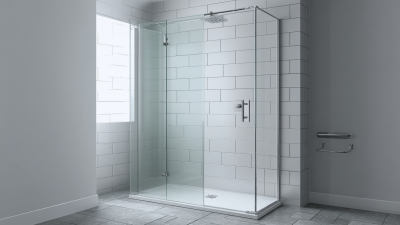
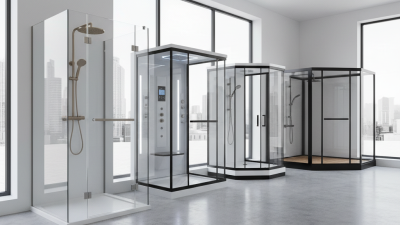
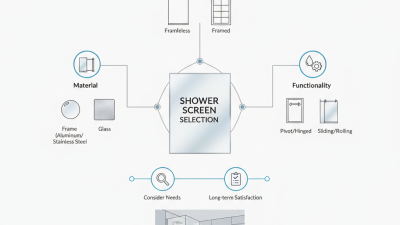
Choosing the right shower screen starts with understanding its type and configuration. A fixed panel suits open, minimalist bathrooms, while a framed screen offers greater rigidity around uneven walls. Frameless glass looks lighter, but it demands accurate installation and stronger wall support. Sliding doors save floor space; pivot doors need a clear opening radius. A corner or neo-angle enclosure can recover awkward space beside a vanity.
Measure the opening at several heights, not just once.
Walls are rarely perfect. Check the finished floor slope, drain position, ceiling height, and door swing. The 2024 Houzz U.S. Bathroom Trends Study reported that 26% of renovating homeowners enlarged their showers, showing how strongly layout affects current projects. That change can improve comfort, but it may also reduce storage or circulation. I have seen attractive screens fail because measurements ignored skirting boards and exposed pipework.
Choose safety glass that meets applicable local standards, then confirm its thickness with a qualified installer. The U.S. Consumer Product Safety Commission recorded 2,300 bathtub and shower-related injuries treated in emergency departments during 2021, highlighting the value of secure access and slip-conscious planning. Keep hardware corrosion-resistant, allow cleaning access, and specify protective seals where water may escape. Think carefully. A frameless screen is not automatically better. Poor ventilation, hard-water deposits, or a badly positioned showerhead can make any configuration frustrating. Test the door path with a towel rail and nearby cabinet before ordering.
Measuring Your Bathroom Space and Shower Area
Measuring Your Bathroom Space and Shower Area
Choosing the right shower screen begins with accurate measurements. Measure the shower width at the base, middle, and top. Walls often look straight but are not. Record the smallest measurement.
I once measured only the floor area and missed a slight wall angle. The screen fitted poorly, and the door needed adjustment. That mistake taught me to check every surface carefully. Use a reliable tape measure and note measurements in millimetres. Measure from the finished wall surface, not from exposed framing or unfinished tiles. Include the thickness of wall panels, tile adhesive, and trim. These details can change the available space.
Check whether the floor is level and the walls are plumb. A small slope may affect water flow and door alignment. Mark the shower entrance clearly, especially if the area has a raised threshold. Keep enough clearance for the door to open without hitting a toilet, vanity, or towel rail. Measure the full swing path.
Do not guess.
For awkward layouts, create a simple floor sketch with doorways, fixtures, and measurements. A qualified installer can verify your figures and identify waterproofing concerns. Local building requirements may also affect glass placement, access width, and safety clearances. Rechecking the dimensions before ordering is worthwhile, even when the first measurements seem correct. Human error is easy to overlook.
Comparing Glass Options, Frames, and Door Designs
Choosing the right shower screen starts with the glass, not the frame. Clear glass makes a small bathroom feel larger and brighter. Frosted or patterned glass offers more privacy but can show soap residue. For daily use, certified tempered safety glass is a practical choice. Laminated glass provides another safety layer, though it may cost more. Thicker glass feels sturdier, but wall support and correct installation matter just as much.
Frames change both appearance and maintenance. Fully framed screens usually provide strong support and can suit uneven walls. Semi-framed designs reduce visual clutter while keeping useful structural support. Frameless screens look clean and modern, yet they demand accurate measurements and solid walls. Water can escape through small gaps. That detail is easy to underestimate. Brushed metal finishes often hide fingerprints better than highly polished surfaces, based on regular bathroom cleaning experience.
Door design should match the room’s movement space. Hinged doors need clear floor area and dependable hinges. Sliding doors save space, but their tracks collect hair and mineral deposits. Pivot doors can work well in narrow layouts when the swing direction is planned carefully. Folding doors are flexible, although their hardware has more moving parts. I once preferred a frameless hinged screen for its appearance, then reconsidered it after noticing limited wall strength. A qualified installer should check measurements, drainage, wall structure, and local safety requirements before fitting any screen.
Checking Safety, Durability, Privacy, and Water Control
10 Tips for Choosing the Right Shower Screen
Checking Safety, Durability, Privacy, and Water Control
Tip 1: Check the glass first. Choose properly treated safety glass with smooth, polished edges. It should feel firm, not thin or flexible. A qualified installer can confirm the hardware suits the wall structure. I once underestimated a small frame movement. That mistake created leaks later.
Tip 2: Study durability in daily conditions. Hinges, seals, handles, and wall channels face constant moisture. Look for corrosion-resistant fittings and replaceable seals. Thick glass is useful, but thickness alone does not guarantee quality. Poor alignment can damage even strong materials. Measure the opening carefully, including uneven tiles.
Tip 3: Consider privacy before appearance. Clear glass makes a small bathroom feel larger, but it shows everything. Frosted, textured, or partially obscured glass offers better privacy. Test samples under bathroom lighting. Some patterns look private in a showroom, then appear surprisingly transparent at home.
Tip 4: Control water with the screen’s shape. A fixed panel may work beside a showerhead, while a hinged door needs enough clearance. Check the floor slope and the seal position. Water should return toward the drain, not the doorway. Keep a small gap where the design requires ventilation. Too many seals can look secure but still fail when the floor is uneven.
Tip 5: Think about cleaning. Fewer joints usually collect less soap residue. Leave access around hinges and seals. A practical screen should be safe, durable, private, and easy to maintain every week.
10 Tips for Choosing the Right Shower Screen
Recommended priority scores for evaluating safety, durability, privacy, installation quality, and water control.
Safety glazing and professional installation receive the highest priority because they directly affect injury prevention, structural stability, and long-term performance. The scores are a practical evaluation guide rather than brand or company survey data.