Shower Cabin Tips for Choosing the Best Design for Your Home?
Choosing the right Shower Cabin is crucial for any bathroom design. It can transform a simple space into a luxurious retreat. With countless styles available, the decision can feel overwhelming. Pay attention to size, shape, and functionality when selecting your Shower Cabin.
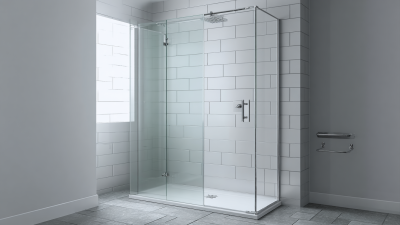
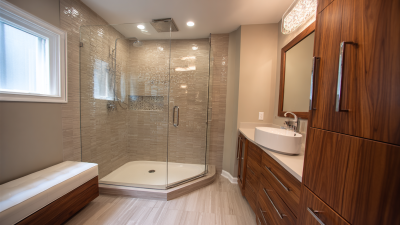
Each design offers unique benefits. A corner Shower Cabin saves space, while a larger model provides room to move. Don't forget about the materials! Glass doors can create an open feel, but they require regular cleaning.
Consider your lifestyle too. If you have children, a low entry design might be beneficial. Reflect on your daily needs and preferences. This choice impacts your comfort and enjoyment of the space. A well-chosen Shower Cabin can elevate your bathroom experience significantly.
Choosing the Right Shower Cabin: Key Considerations
When choosing the right shower cabin, size is a crucial consideration. Measure your bathroom space carefully. A compact cabin might seem like a good idea, but it can feel cramped. On the other hand, an oversized structure might dominate your space. Think about how you intend to use it. Do you want a quick rinse or a relaxing soak?
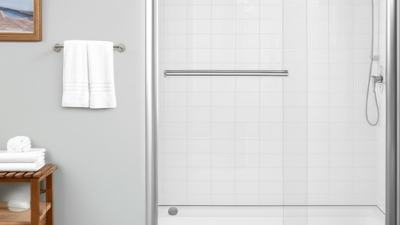
Materials also matter. Glass and acrylic are popular options, each with its pros and cons. Glass looks elegant and can give an open feel. However, it requires regular cleaning to avoid water spots. Acrylic, while easier to maintain, might lack the same aesthetic appeal. Consider your priorities carefully before deciding.
Don’t forget about accessibility features. A cabin door that swings out may be challenging for an elderly person or someone with mobility issues. You might need to rethink your choice if the design doesn’t suit all family members. Ensure the cabin accommodates everyone’s needs, not just yours. Think about how it will feel to use every day. Every detail counts in creating a comfortable space.
Shower Cabin Design Preferences
Understanding Different Shower Cabin Designs Available
When selecting a shower cabin, variety matters. Different designs cater to various preferences and spaces. The two most common styles are enclosed and open showers. Enclosed options often feature glass doors. They help contain water and offer privacy. Meanwhile, open designs create a spacious feel. They can make smaller bathrooms appear larger.
According to recent industry reports, the demand for walk-in showers has risen by 30% over the past five years. This shift shows a preference for modern, sleek aesthetics. Walk-in showers provide easy access and often employ minimalistic designs. However, they can lack privacy and may require careful waterproofing.
Consider the aesthetics and functionality of each design. A shower cabin should align with your bathroom's overall theme. The choice of materials also matters. Acrylic, tile, and glass each have unique pros and cons. For instance, glass can create an airy vibe but might show water spots. Tile can be beautiful but may require more maintenance. Evaluate what fits your lifestyle best before making a decision.
Materials and Durability: What to Look For in a Shower Cabin
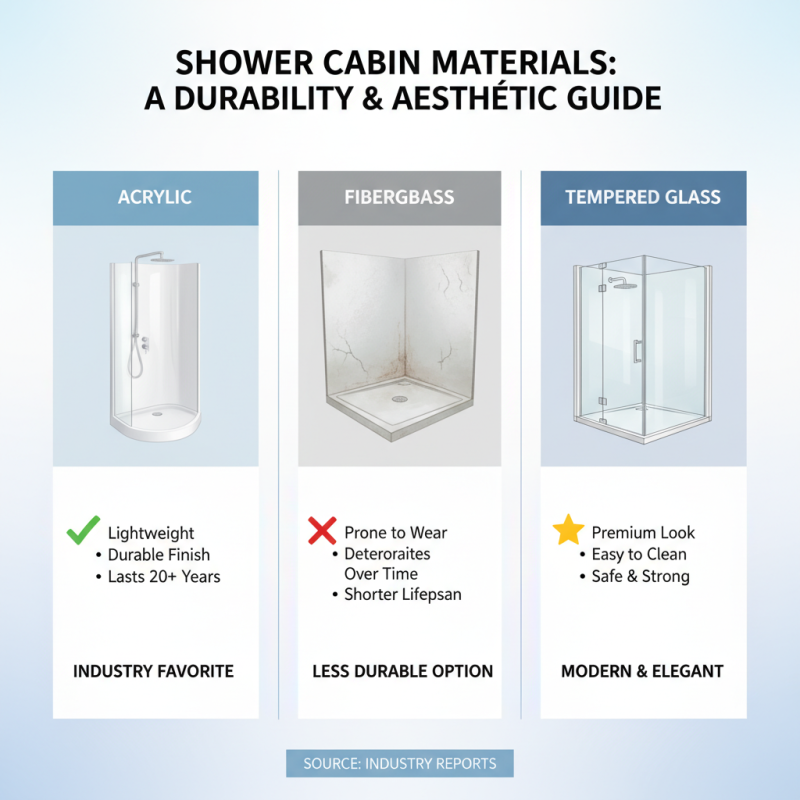
Choosing the right materials for your shower cabin is crucial for both durability and aesthetics. The most popular materials are acrylic, fiberglass, and tempered glass. According to industry reports, acrylic is renowned for its lightweight and durable finish, lasting up to 20 years without significant wear. In contrast, fiberglass can deteriorate over time, often requiring replacement.
When considering tempered glass, keep in mind that it offers a modern look. However, it can be costly and prone to cracks. If you're on a budget, acrylic might be the safer choice, but it may not provide the same luxurious feel. Many homeowners overlook maintenance issues. A glass cabin requires regular cleaning to prevent water spots and build-up.
Another aspect to consider is thermal insulation. Acrylic has better insulating properties compared to glass, which can lead to energy savings. An insulator keeps water hot longer. Yet, some users find the temperature variability uncomfortable. This may seem minor, but it can affect daily comfort. Prioritizing the right material can enhance your daily shower experience. Nonetheless, finding a balance between aesthetics and practicality is often a challenge.
Space Optimization: Fitting a Shower Cabin into Your Bathroom
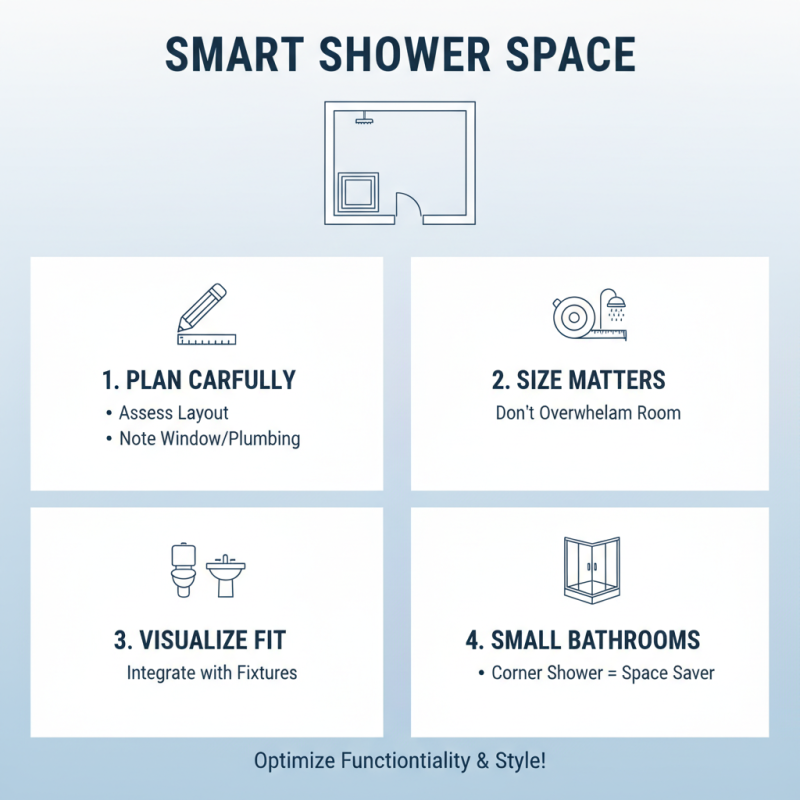
When optimizing space for a shower cabin, careful planning is essential. Look at the bathroom layout. Consider the existing features like windows and plumbing. The shower cabin's size matters—it shouldn’t overwhelm the room. Try to visualize how it will fit with the rest of your fixtures. If you have a small bathroom, a corner shower might be the best choice. It can save space while providing functionality.
Next, think about the design. Glass panels can create an illusion of more space. Matte finishes may cozy up a larger bathroom. Reflective surfaces might bounce light around, making it feel airy. Also, don’t forget about access. Ensure you can comfortably enter and exit the shower. Avoid placing the cabin too close to other fixtures. It's common to overlook this vital aspect, but it can lead to cramped quarters. Remember, a poorly designed shower area may affect daily routines. Balancing aesthetics with practicality is crucial.
Customization Options: Enhancing Functionality and Style in Your Shower Cabin
When designing your shower cabin, customization is key. Tailoring the space to fit your needs can greatly enhance both functionality and style. Consider features like adjustable shelves, which allow you to store products efficiently. A bench can offer convenience, providing a resting place while you shower.
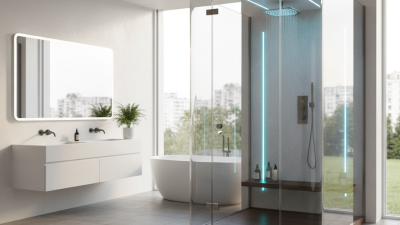
Choosing the right materials can also make a significant difference. Transparent glass not only looks modern but opens up the space visually. You might prefer frosted glass for privacy. Don't forget about the hardware. Sleek, minimalistic fixtures can elevate the overall design. But be cautious; some finishes may require more maintenance than others.
Think about how you use your shower. If it's a quick rinse, efficiency is crucial. If you enjoy longer, leisurely showers, comfort becomes a priority. Lighting is often overlooked. Proper illumination can transform your experience. Experiment with different options to find the right ambiance. Remember, it's okay to change your mind during the process. Your shower cabin should reflect your personal style and practical needs.