What is Sliding Shower Glass and How to Choose the Right One for Your Bathroom
When it comes to modern bathroom design, one of the pivotal elements that can enhance both aesthetics and functionality is the Sliding Shower Glass. According to renowned industry expert John Smith, “The right sliding shower glass not only elevates the overall look of your bathroom but also optimizes space utilization.” In a world where luxury is often dictated by the efficiency of space, choosing the appropriate sliding shower system can transform a commonplace bathing area into a sanctuary of relaxation and style.
Sliding Shower Glass offers a blend of elegance and practicality, which makes it an invaluable addition to contemporary bathrooms. Its ability to seamlessly glide open and closed allows homeowners to maximize space while ensuring easy access. With various styles, sizes, and glass types available, the decision-making process can seem daunting. However, understanding the key features and benefits of sliding shower glass can help you make an informed choice that complements your bathroom's design.
As you navigate through the considerations for selecting the right sliding shower glass, keep in mind the importance of quality, safety, and personalization. This choice not only reflects your personal taste but also elevates your daily routine. By focusing on these critical aspects, you can achieve a perfect balance between functionality and visual appeal in your bathroom space.
Understanding Sliding Shower Glass: Definition and Components
Sliding shower glass has become an increasingly popular choice for modern bathrooms, offering both aesthetic appeal and practical functionality.
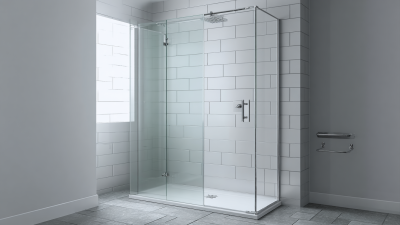
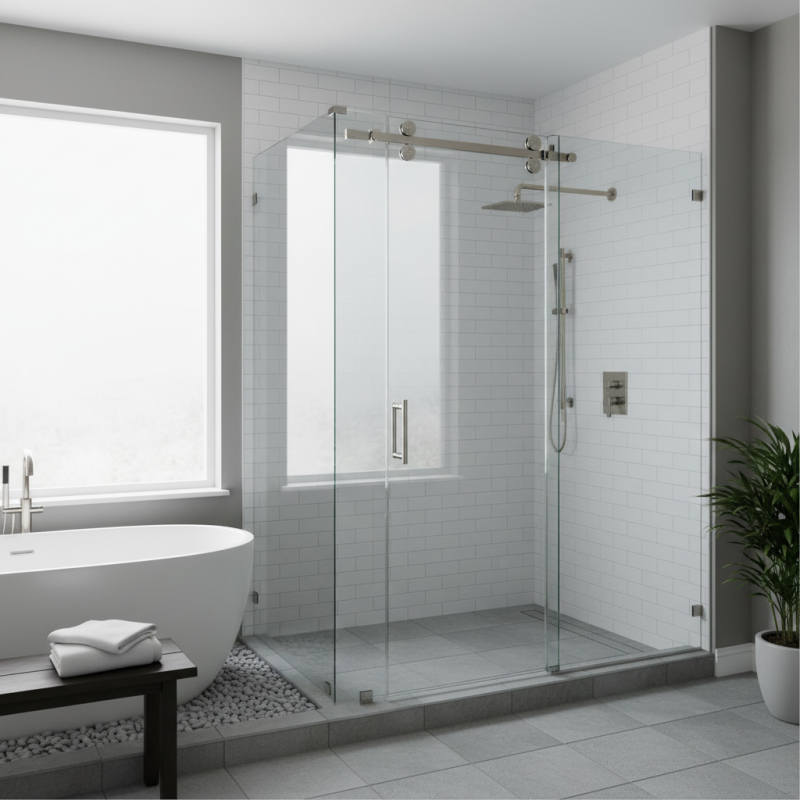
At its core, sliding shower glass consists of transparent panels that slide open and closed, allowing easy access to the shower area while preventing water from splashing outside.
These glass panels are typically framed or frameless, with the latter being favored for its sleek and minimalist look.
The main components of sliding shower glass include the glass panels themselves, tracks, and rollers. The glass panels are usually tempered for safety, which makes them resistant to shattering.
The tracks are mounted along the wall, providing a smooth path for the rollers, which allow the panels to glide effortlessly.
Additionally, seals and handle mechanisms are important components that help ensure a watertight enclosure and ease of use.
When selecting sliding shower glass for your bathroom, it is crucial to consider these components, as they influence both the durability and functionality of the installation.
Advantages of Sliding Shower Glass in Modern Bathrooms
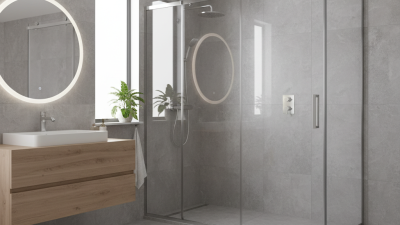
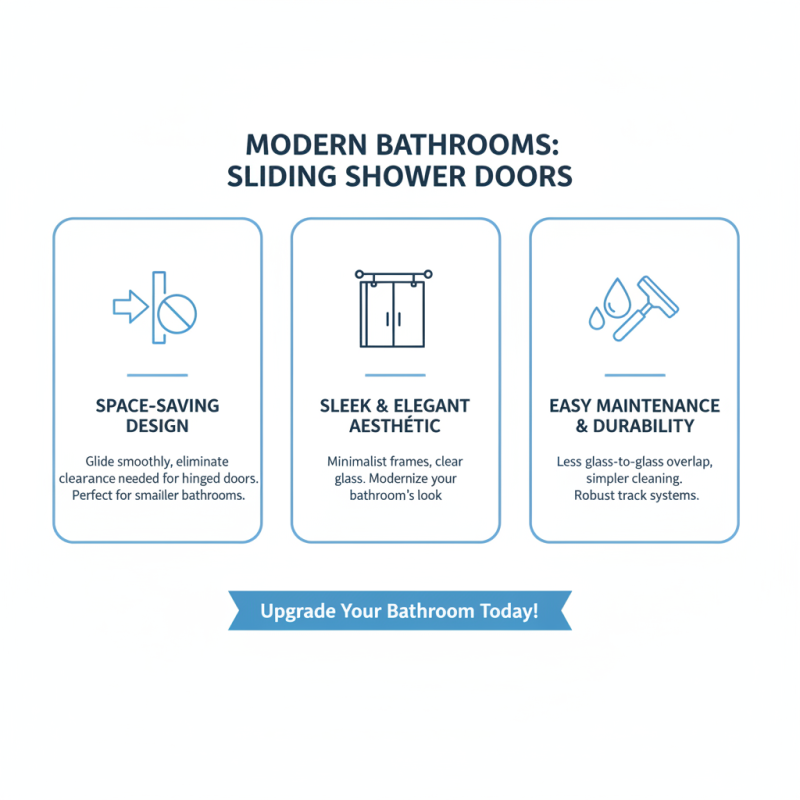
Sliding shower glass has become increasingly popular in modern bathrooms due to its sleek design and numerous advantages. One of the primary benefits of sliding shower doors is their space-saving feature. Unlike traditional hinged doors that require additional clearance for opening, sliding doors glide smoothly along a track, maximizing the usable space in your bathroom. This makes them an ideal choice for smaller bathrooms where every inch counts.
Additionally, sliding shower glass provides a contemporary aesthetic that enhances the overall look of the bathroom. The transparent or semi-transparent nature of the glass creates an illusion of openness, making the space feel larger and more inviting. Furthermore, sliding doors are easier to maintain, as they typically have fewer nooks and crannies for mold and soap scum to accumulate compared to framed shower enclosures. This not only makes cleaning less of a chore but also contributes to a more hygienic environment. With their combination of style, functionality, and ease of maintenance, sliding shower glass doors are a fantastic option for anyone looking to update their bathroom design.
Key Factors to Consider When Choosing Sliding Shower Glass
When selecting sliding shower glass, several key factors come into play that can significantly affect both functionality and aesthetics. First and foremost, the size and layout of your bathroom should dictate the dimensions of the glass panels.
According to the National Kitchen and Bath Association (NKBA), a well-planned shower can optimize space while integrating seamlessly into the overall bathroom design. Proper measurement is crucial, as even minor discrepancies can lead to ineffective sealing and water leakage, undermining the intended design and function.
Another influential factor is the type of glass used. Tempered glass is the most common choice due to its safety features and durability; it is manufactured to be stronger than standard glass while also shattering into small, blunt pieces rather than sharp shards. A report by Grand View Research highlights that the global shower glass market is anticipated to grow significantly, driven largely by the increasing demand for high-quality materials and enhanced design features.
Additionally, considerations such as transparency levels, treatments to prevent water spots, and finishes can impact maintenance and long-term satisfaction with the installation. Balancing these factors can lead to a luxurious and functional shower experience that complements any modern bathroom.
Types of Sliding Shower Glass: Framed vs. Frameless Options
Sliding shower glass is a popular choice among homeowners for its sleek design and functionality. When deciding between framed and frameless options, it is essential to understand their distinct characteristics. Framed sliding shower glass features a metal frame that provides structural support and can be easier to install. According to industry data, framed units constitute approximately 60% of the market due to their affordability and robustness, making them a suitable option for bathrooms with high moisture levels.
On the other hand, frameless sliding shower glass has gained significant traction in recent years, accounting for about 40% of sales. This option is celebrated for its modern aesthetic and minimalistic appeal, creating an illusion of more space in the bathroom. Additionally, frameless designs tend to offer better water containment and easier cleaning, as they lack the grooves and seals found in framed versions. A report by the Home Improvement Research Institute indicates that the demand for frameless glass enclosures has risen by 15% annually, driven by a growing preference for contemporary bathroom designs that prioritize transparency and openness. Choosing the right sliding shower glass ultimately depends on personal style and bathroom requirements, but understanding these two primary options can help guide homeowners in making informed decisions.
Installation Tips for Sliding Shower Glass in Your Bathroom
When installing sliding shower glass in your bathroom, it’s essential to ensure that you approach the project with careful planning and the right tools. First, measure the space accurately to determine the appropriate size of the glass panels. Consider the height and width of your shower area, as well as any obstructions, such as fixtures or ledges. It is crucial to allow for some clearance in the measurements to facilitate the smooth operation of the sliding doors.
Next, choose a sturdy track system that will support the glass securely. The installation of the track is a vital step; it should be mounted level to prevent any misalignment issues during operation. After the track is in place, carefully position the glass panels, ensuring they slide smoothly without obstruction. Remember to use safety glass, as it is less likely to shatter and ensures maximum safety in wet environments. Finally, seal any gaps between the glass and the wall with appropriate caulking to prevent water leakage and maintain the aesthetic appeal of your bathroom.
What is Sliding Shower Glass and How to Choose the Right One for Your Bathroom - Installation Tips for Sliding Shower Glass in Your Bathroom
| Feature |
Description |
Considerations |
| Material |
Tempered glass is commonly used for its safety and durability. |
Ensure it meets local building codes. |
| Size |
Custom sizes available to fit various shower dimensions. |
Measure your shower area accurately. |
| Style |
Frameless, semi-frameless, and framed options are available. |
Choose a style that complements your bathroom design. |
| Thickness |
Thickness ranges from 1/4 inch to 1/2 inch. |
Thicker glass provides better durability but is more expensive. |
| Maintenance |
Easy to clean, especially with treated glass options. |
Regular cleaning helps maintain clarity and shine. |
| Installation |
Can be complex; professional installation is recommended. |
Consider the expertise of the installer. |
| Cost |
Prices vary based on materials and customization. |
Budget accordingly for materials and installation. |