Top 5 Tips for Choosing the Perfect Shower Screen?
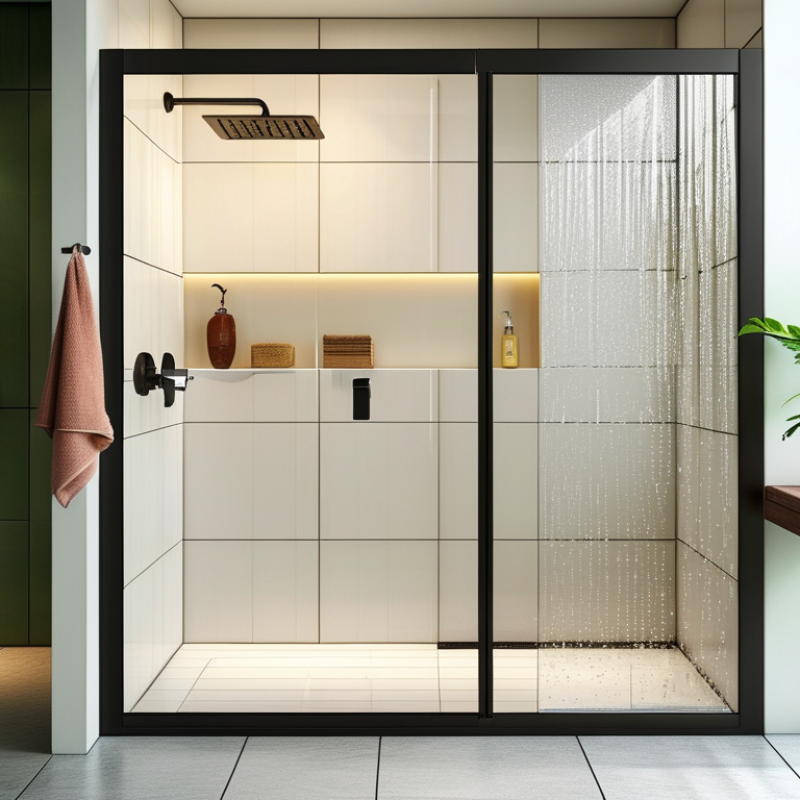
Choosing the right shower screen can transform your bathroom experience. According to Jane Miller, a leading expert in bathroom design, "A well-chosen shower screen enhances both functionality and style." Shower screens come in various styles and materials, making this choice essential.
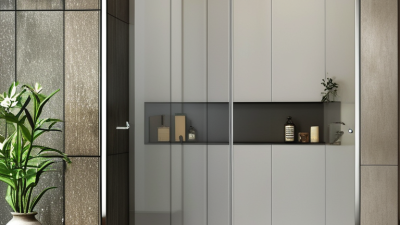
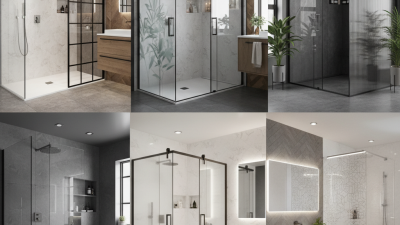
Consider the layout of your bathroom. A clear glass shower screen may open up a small space, while a frosted option adds privacy. It's vital to assess the available space and your design preferences. Measurements are crucial; a poor fit can lead to water damage and increased maintenance.
While aesthetics are important, durability cannot be overlooked. Quality materials withstand moisture and are easier to clean. Choosing a shower screen should balance beauty and practicality. Reflect on what suits your needs, as this choice impacts daily routines. A thoughtful selection ensures a lasting addition to your bathroom oasis.
Factors to Consider When Assessing Shower Screen Glass Thickness
When choosing a shower screen, glass thickness is crucial. A thicker glass generally offers better durability and safety. Glass options usually range from 6mm to 10mm. Thinner glass may look sleek but can be less stable. It might also shatter more easily under impact. In contrast, 10mm glass is robust and visually appealing, but it can be heavier and more expensive.
Consider the installation process as well. Thicker glass requires stronger frames and supports. This might complicate installation, leading to additional costs. If you're not careful, it could be easy to overlook these aspects. Measure your space to find the right fit. An ill-fitting shower screen, regardless of thickness, could lead to leaks, reducing its effectiveness. It's a good idea to consult with a professional for advice tailored to your specific needs. Ultimately, the right glass thickness balances aesthetics and functionality.
Understanding Shower Screen Styles: Framed, Frameless, and Semi-Frameless
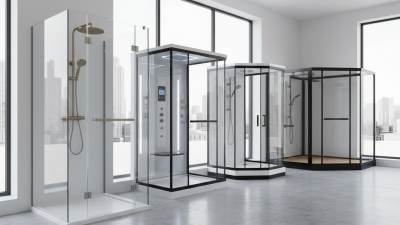
When considering shower screens, understanding the differences in styles is crucial. Framed shower screens have an aluminum frame that provides extra support. They are often seen as more affordable and easier to install. However, the frame can create a cluttered appearance and may not suit modern design preferences.
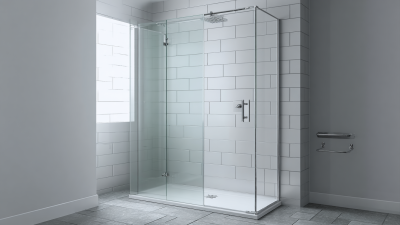
Frameless shower screens offer a sleek and contemporary look. Made from thicker tempered glass, they require minimal hardware for support, enhancing the open feel of the bathroom. Data from Home Improvement Research shows that 60% of consumers prefer frameless designs for this reason. Yet, they tend to come at a higher price point and might require more maintenance.
Semi-frameless designs offer a middle ground. They combine the benefits of both styles while providing stability and a clean aesthetic. They can be more durable than fully frameless options but are sometimes perceived as less stylish. According to industry reports, semi-frameless screens account for about 25% of market sales, indicating a growing trend. Understanding these options helps in making a thoughtful choice, reflecting personal taste and bathroom needs.
Analyzing Installation Options: DIY vs. Professional Installation Costs
When considering shower screens, installation options can significantly affect your decision. The choice between DIY installation and hiring professionals deserves careful analysis. DIY installation can save money, but it also carries risks. If you're not confident in your skills, the results can be less than satisfactory. Misalignments or improper sealing could lead to leaks, causing further expenses.
On the other hand, professional installation ensures that the screen is installed correctly. Experienced installers understand the nuances of various types of shower screens. They can provide valuable insights into the best materials for your space. However, hiring a professional involves higher costs. It’s essential to weigh this against the potential costs of future repairs if a DIY job fails.
To simplify your decision, consider the following tips. First, assess your skill level honestly. If you're handy, DIY could be feasible. Next, research the average costs of professional installation in your area. This can help you establish a budget. Finally, plan for unexpected challenges, whether you choose DIY or professional help. Shower screen installation is an investment, and making informed choices is crucial for long-term satisfaction.
Evaluating the Importance of Water Resistance and Ease of Cleaning
When it comes to shower screens, water resistance and ease of cleaning should be at the top of your priorities. A good shower screen keeps water inside your shower, preventing leaks and mold growth. Look for materials designed to withstand moisture. Tempered glass is often a reliable option, as it resists warping. Acrylic screens can also be effective but may require more upkeep.
Ease of cleaning is another crucial factor. Splash marks and soap scum can quickly build up. Choose a screen with a smooth surface to make cleaning easier. A daily quick wipe down can keep it looking new. Avoid intricate designs where dirt can collect. These can be challenging to clean and may detract from your bathroom's aesthetics.
Consider your routine. Do you have a busy lifestyle? Maintenance should fit your schedule. Products like water-repellent sprays can help maintain clarity. Remember, even the best screens can require effort. Regular cleaning prevents tougher jobs down the line. Choose wisely and ensure longevity for your space.
Top 5 Tips for Choosing the Perfect Shower Screen
Sizing Your Shower Space: How to Measure for the Perfect Fit
When sizing your shower space, precise measurements are essential for the perfect fit. Industry reports highlight that over 75% of homeowners encounter fitting issues during installation. It's critical to measure your shower area accurately to avoid expensive modifications. Start by measuring the width and height of the shower alcove. Make sure to note any uneven surfaces or fixtures that could affect the installation.
Consider the type of screen you prefer. Frameless options can require additional precision due to their reliance on exact measurements. A study from the Home Improvement Research Institute indicates that 63% of homeowners choose frameless designs for their modern aesthetic. Yet, if your space is less than ideal, a framed screen might better accommodate slight fitting discrepancies. Remember to factor in the door swing or sliding mechanisms, as they also require ample space.
Pay attention to the space around your shower. Ideally, you want at least 2-3 inches between the wall and the edge of the screen. This gap allows for proper installation and ease of cleaning. Some may overlook this detail, leading to potential issues down the line. Understanding your shower's dimensions can prevent future regrets with your choice of screen.