Top 10 Types of Tub and Shower Doors to Buy?
Choosing among the top 10 types of Tub And Shower Doors can change how a bathroom feels and functions. A clear frameless door may make a small space appear wider. A framed sliding door can provide dependable support and practical value. Pivot, hinged, bypass, bi-fold, neo-angle, and walk-in designs each solve different layout problems. The right choice depends on wall space, shower width, water control, cleaning habits, and daily accessibility.
Home-improvement expert Mike Holmes has often reminded homeowners, “The bathroom is one of the most important rooms in the house.” That perspective matters when comparing glass thickness, hinge quality, seals, handles, and installation requirements. A beautiful door is not enough if water escapes beneath it. A low-cost model may also become frustrating when rollers collect soap residue or the frame begins to shift. Small details matter.
This guide examines ten popular Tub And Shower Doors styles with practical examples. It considers how each option performs in compact apartments, family bathrooms, and larger primary suites. You will see where each design works best, where it may disappoint, and what maintenance it demands. No single door wins every bathroom. That sounds obvious, yet many buyers overlook it. Measurements can be imperfect, walls may not be square, and personal mobility needs can change over time. Treat the list as a buying framework, not a rigid ranking. A careful decision should balance appearance, safety, durability, installation skill, and long-term comfort.
What Defines a Tub and Shower Door?
A tub and shower door is a movable or fixed glass barrier that controls water, improves safety, and separates wet space from the bathroom. It is not simply decorative. Its panels, hinges, tracks, seals, and handles must work together around the tub or shower opening. Most models use safety-tempered glass, which is heat-treated to reduce injury risk if broken. Glass thickness, opening width, wall condition, and drainage all affect the correct choice.
The ten common types include framed sliding doors, frameless sliding doors, pivot doors, hinged doors, bypass doors, bi-fold doors, folding doors, fixed panels, neo-angle doors, and tub screens. Sliding doors suit narrow bathrooms because they need little clearance. Pivot and hinged doors feel more open but require free floor space. Bi-fold designs can help in tight areas. A fixed panel offers a clean appearance, although it may leave more splash exposure. Tub screens are practical for shower-tub combinations.
Accurate measurement matters more than appearance. Measure the opening at several heights, because walls are rarely perfectly square. I have found that a beautiful door can perform poorly when the tub edge slopes toward the room. Check the seal position, door swing, hardware strength, and cleaning access. A low threshold may improve accessibility, but water control can become weaker. That trade-off deserves careful thought. Allow professional installation when drilling, leveling, or glass handling exceeds your experience.
How Tub and Shower Doors Compare by Design and Function
Top 10 Types of Tub and Shower Doors to Buy?
How Tub and Shower Doors Compare by Design and Function
Choosing a tub or shower door starts with room measurements, not appearance. A framed sliding door offers dependable support and suits wider openings. A frameless sliding door looks lighter but needs accurate installation. Bypass doors overlap smoothly, while pivot doors require clear floor space. Hinged doors open broadly and provide easy access. They can feel awkward in a narrow bathroom.
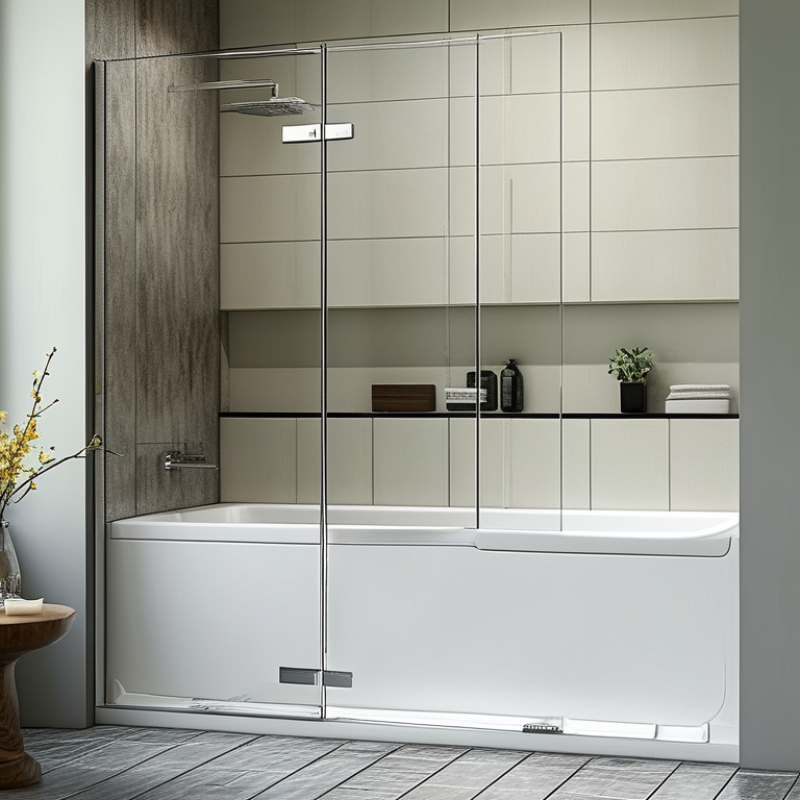
Bi-fold doors fold inward and save space near toilets or vanities. Neo-angle doors fit corner showers and create a sharper footprint. Curved doors soften the room’s appearance, although their custom glass may cost more. A fixed panel gives a clean, open design, but water can escape without careful placement. For tubs, a single glass screen is simple and easy to wipe. A multi-panel tub door offers stronger splash control.
In my renovation experience, door movement matters as much as style. Sliding hardware should feel even, without grinding or sudden stops. Hinges must align correctly, or the glass may drag against the seal. Tempered safety glass is a practical requirement, not a decorative upgrade. I once chose a sleek fixed panel for a compact shower and underestimated the spray direction. That mistake taught me to test water flow before ordering glass. Measure the opening at several heights. Walls are rarely perfectly straight. A qualified installer should verify clearances, seals, wall strength, and hardware placement before fitting. Some details still need a second look.
How to Choose the Right Tub or Shower Door
Choosing a tub or shower door starts with the bathroom, not the catalog. Measure the opening at the top, middle, and bottom. Walls are rarely perfectly square. Measure twice.
For a compact tub, a sliding door saves floor space and suits busy family bathrooms. A pivot door feels more open, but it needs clear swing space. Bifold doors can solve tight layouts, although their hinges need regular cleaning. Frameless glass gives a lighter appearance, while framed doors often provide stronger water control. For children or older adults, choose a wide entry and a low-effort handle. Tempered safety glass is essential, and its thickness should match the manufacturer’s tested hardware. Check local building requirements before installation.
Water management deserves more attention than appearance. Look for continuous seals, a stable bottom track, and a sill that directs water inward. If the showerhead points toward the opening, even an attractive door may leak. I once underestimated a small floor slope, and the water collected near the vanity. That mistake changed how I inspect installations. I now test the door with several minutes of running water before accepting the work. Choose finishes that tolerate frequent cleaning, especially in hard-water areas. Avoid complicated channels when nobody wants to scrub them. A beautiful door can become a daily annoyance. Think about ventilation, cleaning habits, family mobility, and future repairs before choosing the style.
Top 10 Types of Tub and Shower Doors to Buy: Typical Minimum Opening Width
The chart compares commonly used tub and shower door styles by their typical minimum finished opening width. Pivot, hinged, neo-angle, round, and bi-fold doors generally suit compact spaces, while tub sliding doors require a wider opening. Actual dimensions vary by installation conditions, wall construction, accessibility needs, and local building requirements.
Measurements are shown in inches and represent practical planning values rather than fixed product specifications. Always verify the finished opening before purchasing.
Installation, Safety, and Maintenance Considerations
Choosing among the top ten types of tub and shower doors requires more than matching bathroom style. Options include framed, frameless, semi-frameless, bypass, pivot, hinged, sliding, bi-fold, neo-angle, and folding tub screens. Measure the opening at several points because walls are rarely perfectly square. I once underestimated a six-millimeter difference, and the door never sealed properly. A professional installer should check wall strength, floor level, hinge clearance, and plumbing locations before drilling.
Safety deserves careful attention. Tempered safety glass is essential, but it can still break after severe impact or poor installation. Select doors with smooth edges, secure handles, and reliable water seals. Pivot and hinged doors need enough clearance from toilets, vanities, and bath users. Sliding doors save space, although dirty tracks can cause sticking and sudden movement. Frameless designs look open, but they demand more accurate alignment and stronger hardware.
Tips: Keep the track free of hair and mineral buildup. Dry glass after bathing with a squeegee. Inspect silicone joints every few months. Replace cracked seals promptly. Avoid abrasive powders, stiff metal tools, and hanging heavy items from handles. A mild cleaner and soft cloth usually protect the finish. Maintenance is often delayed because damage develops quietly. That habit deserves reconsideration. Even a well-installed door needs occasional adjustment when hinges loosen or the building settles.