Top 10 Glass Shower Enclosures for Modern Bathrooms?
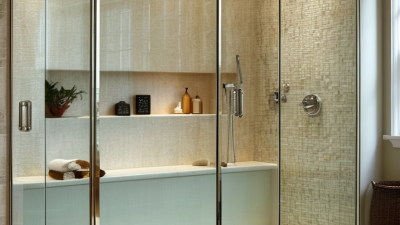
In modern bathroom design, Glass Shower Enclosures have become a staple. According to a recent industry report by Grand View Research, the glass shower enclosure market is projected to reach $10.14 billion by 2025. This reflects a growing appreciation for stylish, functional, and space-saving solutions in bathrooms. Homeowners are increasingly seeking to enhance both aesthetics and usability in their spaces.
The appeal of Glass Shower Enclosures lies in their versatility. They can seamlessly blend with various design themes—be it minimalist, industrial, or luxurious. However, there are challenges to consider. Not all glass shower enclosures are built to the same standards. Some may lack the durability or safety features that are crucial for long-term use. It’s essential to weigh options carefully, looking closely at materials and installation quality.
Choosing the right enclosure can elevate a bathroom's ambiance. But it requires informed decisions. Beyond the visual appeal, practical factors like maintenance, warranty, and installation costs are equally important. Homeowners should invest time in research, ensuring their choice of Glass Shower Enclosures meets both design and functionality needs.
Key Features to Consider When Choosing Glass Shower Enclosures
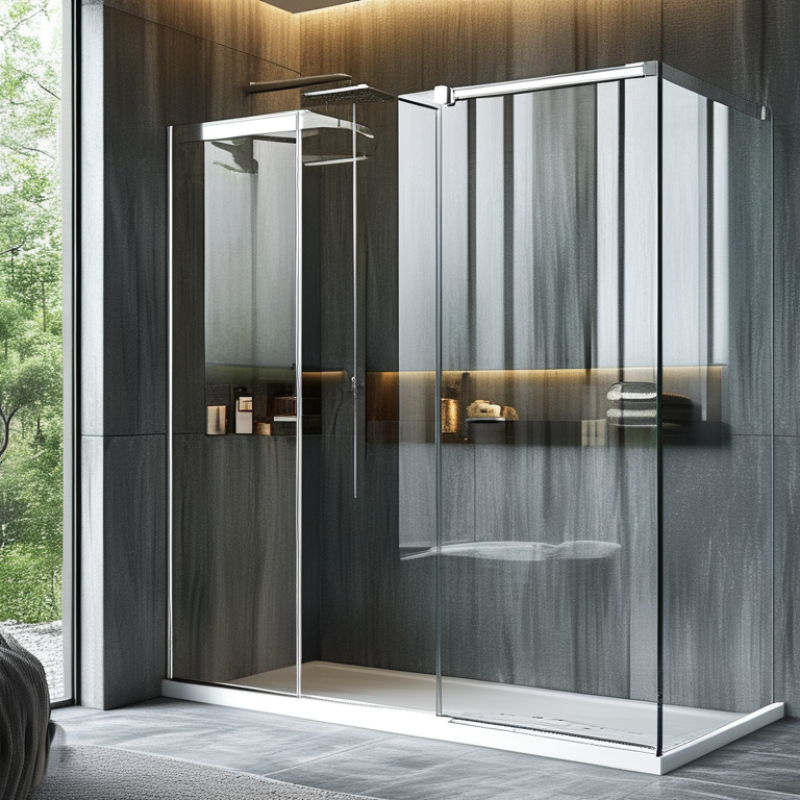
When selecting glass shower enclosures, consider several key features. The thickness of the glass plays a crucial role. Many experts recommend glass that is at least ⅜ inch thick. Thicker glass offers better stability and durability. The type of glass finish is also essential. Options range from clear to frosted glass. Frosted finishes can enhance privacy while adding a sleek look to modern bathrooms.
Another important aspect is the door configuration. Bi-fold doors, sliding doors, and hinged doors each offer unique advantages. Sliding doors save space, which is crucial for smaller bathrooms. Conversely, hinged doors require more room but can add a touch of elegance. Consider the layout of your bathroom when making this decision.
Water leakage is a common concern. A well-designed shower enclosure minimizes this risk. Experts suggest using high-quality seals and well-placed drainage systems. Statistics indicate that around 30% of shower enclosures experience water-related issues over time. Regular maintenance is vital to extending the lifespan of these enclosures. Examine the seals and silicone regularly. They may show wear and require replacement. Reflecting on these features can help ensure your glass shower enclosure fits both functionality and style.
Top 10 Glass Shower Enclosures - Key Features to Consider
Material Types and Their Impact on Durability and Style
When selecting a glass shower enclosure, the material type significantly influences both durability and style. Common materials include tempered glass, acrylic, and laminated glass.
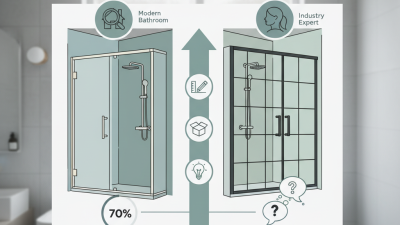
Tempered glass is heat-treated for strength, making it 5-7 times stronger than standard glass, which is crucial for safety. A study by the Home Improvement Research Institute shows that almost 70% of homeowners prefer tempered glass for its resilience and clean appearance.
Acrylic shower enclosures, while lighter and more budget-friendly, can scratch easily and may not withstand high impacts as effectively. Reports indicate that they typically last around 5-10 years, which is substantially less than tempered glass's lifespan. Many homeowners often overlook this when choosing aesthetics over durability. Laminated glass offers a good compromise, providing safety and a modern look, though it tends to be pricier.
While style matters, ensuring long-term durability is critical. Maintenance must also be considered, as some materials require more upkeep than others. About 60% of users report water spots on acrylic surfaces. Understanding these material differences can guide homeowners in making informed choices.
Popular Design Trends in Modern Glass Shower Enclosures
Modern glass shower enclosures have transformed the bathroom landscape. According to a 2022 report from the National Kitchen & Bath Association, 70% of homeowners prioritize stylish shower designs in their renovations. These enclosures provide both functionality and aesthetics, enhancing the overall bathroom experience.
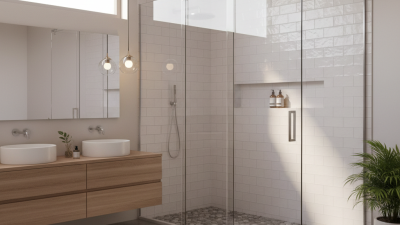
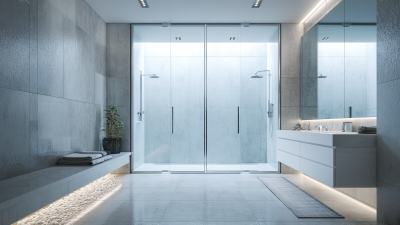
Current trends favor frameless designs, emphasizing clean lines. A study from the American Institute of Architects shows that 55% of new constructions include this minimalist style. This design choice creates an illusion of space. The transparency of glass allows natural light to flow, making smaller bathrooms feel airier. However, maintenance can be a concern; keeping glass pristine requires consistent care.
Digitalization is also influencing shower enclosure designs. Smart technology offers features like automated lighting and temperature control. Yet, this technological integration might overwhelm some users. Simple solutions often yield profound satisfaction in home design. Ultimately, the balance between modern aesthetics and practical usability remains a constant challenge in bathroom renovations.
Top 10 Glass Shower Enclosures for Modern Bathrooms
| Model |
Material |
Design Style |
Glass Type |
Size (inches) |
Price Range ($) |
| Frameless Sliding |
Tempered Glass |
Modern |
Clear |
60 x 72 |
800 - 1200 |
| Bi-Fold Shower Door |
Acrylic |
Contemporary |
Frosted |
32 x 60 |
400 - 800 |
| Curved Glass |
Safety Glass |
Luxury |
Clear |
48 x 72 |
1000 - 1500 |
| Neo-Angle Shower |
Tempered Glass |
Modern |
Frosted |
36 x 48 |
600 - 900 |
| Corner Glass Enclosure |
Acrylic |
Minimalist |
Clear |
38 x 38 |
500 - 700 |
| Walk-In Shower |
Tempered Glass |
Open Concept |
Frosted |
60 x 48 |
1200 - 1800 |
| Alcove Shower |
Safety Glass |
Traditional |
Clear |
72 x 72 |
700 - 1100 |
| Sliding Door Enclosure |
Tempered Glass |
Modern |
Clear |
54 x 72 |
800 - 1300 |
| Fixed Panel with Curb |
Acrylic |
Contemporary |
Frosted |
40 x 72 |
500 - 900 |
Maintenance and Care for Longevity of Glass Shower Enclosures
Maintaining glass shower enclosures is essential for their longevity. Regular cleaning is crucial. A study shows that 85% of homeowners neglect proper maintenance. Using a squeegee after each use can drastically reduce water spots and soap scum. This simple act enhances clarity and shine. To clean stubborn stains, a mixture of vinegar and water is effective. It is also gentle on the glass surface.
Water quality plays a significant role. Hard water can lead to mineral deposits, making your glass look dull. A water softener system may be a good investment for some households. According to industry reports, soft water can improve the lifespan of glass enclosures by 30%. However, not everyone considers this solution, leading to frequent replacements.
Lastly, check the seals regularly. Damaged seals can lead to leaks, which may cause more extensive damage. Regular inspection encourages homeowners to address issues early. A report indicates that routine maintenance can extend the life of a shower enclosure by up to 50%. Committing to a maintenance routine helps preserve both aesthetics and functionality. It's a small effort that yields significant results.
Cost Analysis: Budgeting for Glass Shower Enclosure Installation
When planning for a glass shower enclosure installation, budgeting is crucial. According to the National Kitchen and Bath Association (NKBA), renovation costs can vary significantly.
On average, a glass shower enclosure installation ranges from $1,000 to $3,500. This wide range accounts for factors like glass thickness, type, size, and installation complexity.
In a recent Remodeling Impact Report by the National Association of Realtors, homeowners noted that bathroom remodels yield a high return on investment. In fact, approximately 70% of homeowners felt that their bathroom remodel improved their overall home experience. However, not every project aligns with ideal budgets.
Unexpected costs often arise, such as plumbing adjustments or custom glass configurations. Homeowners should set aside about 15% of their total budget for these potential surprises.
Professional installation typically costs between $800 to $1,500, depending on local labor rates. For a seamless finish, hiring experienced contractors is essential. Some DIY enthusiasts might attempt to save costs. However, this can lead to complications if not done correctly. Proper installation ensures safety and longevity, avoiding pitfalls that might arise from amateur work.