Top 10 Hinged Shower Doors: What to Consider Before Buying Them
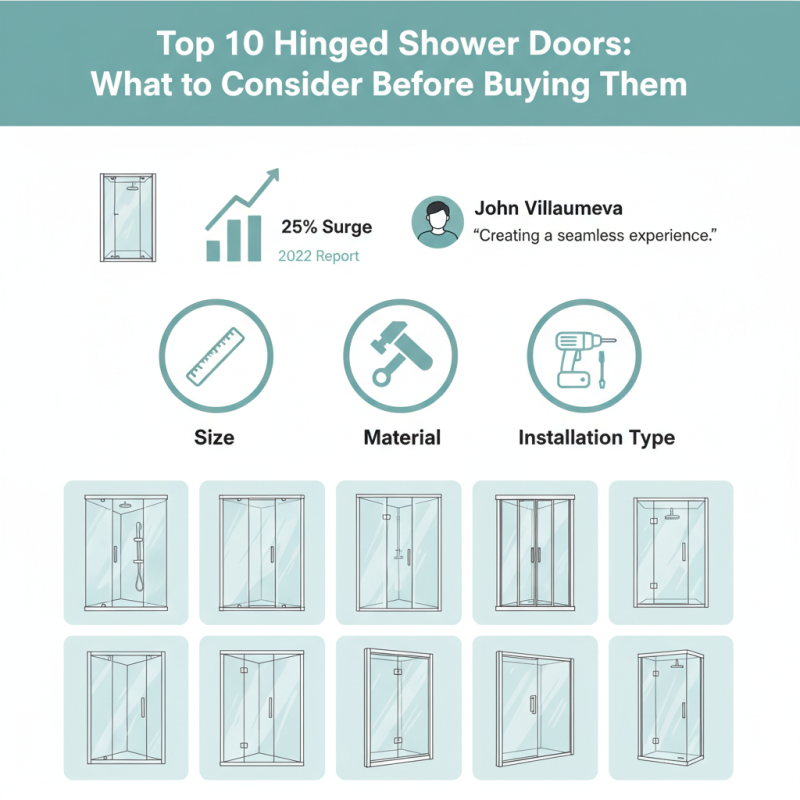
When it comes to enhancing the aesthetics and functionality of your bathroom, selecting the right Hinged Shower Door is paramount. According to a 2022 report by the Home Improvement Resource Center, the demand for high-quality shower doors has surged by over 25% due to the growing trend of bathroom renovations and consumer preferences for stylish yet practical solutions. A Hinged Shower Door not only adds a touch of elegance to any space but also maximizes accessibility, making it a popular choice among homeowners.
Industry expert and bathroom design consultant, John Villanueva, states, “Choosing the right Hinged Shower Door is more than just a design decision; it’s about creating a seamless experience in your daily routine.” This sentiment underscores the importance of understanding the key factors to consider before making a purchase, such as size, material, and installation type. With the right knowledge, homeowners can find the perfect Hinged Shower Door that not only complements their bathroom decor but also meets their functional needs, ultimately enhancing their bathing experience.
Understanding the Different Types of Hinged Shower Doors
When considering hinged shower doors, it's crucial to understand the different types available to make an informed decision. Hinged shower doors typically swing open from a fixed panel, providing a classic and space-efficient solution for bathrooms of various sizes. The most common styles include bi-fold doors, which fold inwards and are perfect for smaller spaces, and traditional single or double doors that open outward, allowing for a more expansive entryway. Each type has its benefits and is suited for different bathroom configurations.
Another important factor to consider is the glass thickness and texture. Thicker glass doors, typically around 3/8 inch to 1/2 inch, offer enhanced durability and are less prone to warping over time. Additionally, texture plays a significant role in both the aesthetic and privacy levels of your shower area. Clear glass provides a modern look, while frosted or patterned glass options can offer more privacy without compromising style. These choices impact not only the overall appearance of your bathroom but also the functional experience of using a hinged shower door.
Key Measurements and Specifications to Consider
When selecting a hinged shower door, precise measurements and specifications play a crucial role in ensuring functionality and aesthetic appeal. According to the 2023 National Kitchen & Bath Association (NKBA) trends report, approximately 65% of homeowners prioritize the size and fit of their shower doors to enhance both the usability and beauty of their bathrooms. The standard opening width for hinged shower doors typically ranges from 22 to 36 inches, allowing for easy access while maximizing the space. Homeowners should also consider the height, which generally varies from 72 to 80 inches, ensuring proper water containment and adding to the elegant visual height of the shower area.
In addition to dimensions, the thickness of the glass is another critical specification. Industry studies indicate that 1/4-inch tempered glass is the most popular choice, striking a balance between durability and affordability. However, thicker options, such as 3/8-inch or 1/2-inch glass, can offer enhanced sturdiness and a more upscale look, further contributing to the overall shower experience. When measuring for installation, it's essential to account for the door swing space and wall clearances to avoid obstructions and ensure smooth operation, as advised by leading bathroom design consultants. By focusing on these key measurements and specifications, homeowners can make informed decisions that align with their design goals and functional needs.
Top 10 Hinged Shower Doors: Key Measurements and Specifications
Material Options: What Works Best for Your Bathroom
When it comes to choosing hinged shower doors, the material options available are crucial for both aesthetics and functionality. Industry reports indicate that glass is by far the most popular choice for modern bathrooms, accounting for over 60% of shower door installations in new builds and renovations. Tempered glass, in particular, is favored due to its durability and safety. Tempered glass is manufactured through a heating and cooling process, making it five to six times stronger than standard glass, which means it can withstand the demanding conditions of a bathroom without compromising on style.
Another popular material is acrylic. This option is lightweight, more affordable than glass, and provides a variety of design choices. According to a recent survey, about 25% of homeowners prefer acrylic for its ease of installation and maintenance. While acrylic can come in various colors and finishes, it is less robust than tempered glass and may scratch more easily. It is important to weigh these factors against your specific needs and bathroom style when making a decision. Additionally, newer composite materials are entering the market, providing an alternative that mimics the appearance of glass while offering enhanced durability and thermal insulation. As trends shift, understanding the advantages and disadvantages of these materials is essential in choosing the right hinged shower door for your bathroom.
Installation Requirements and Cost Analysis
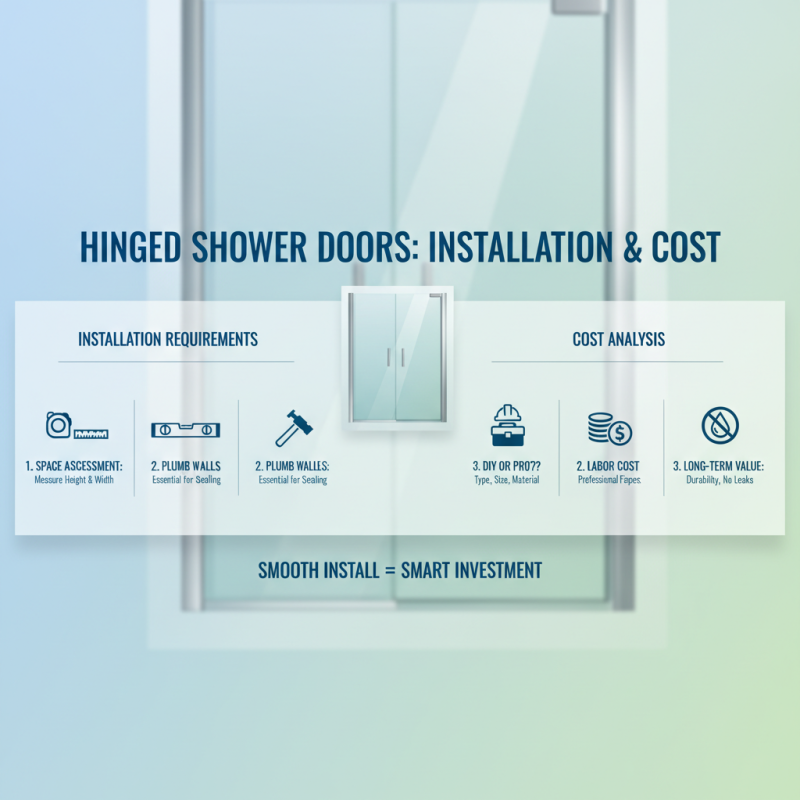
When considering hinged shower doors, installation requirements and cost analysis play a pivotal role in the decision-making process. For a smooth installation, it’s crucial to assess the space of your bathroom. Measure the height and width of the entry to ensure that the doors will fit properly. Additionally, check that the walls are plumb; uneven walls can lead to difficulties in achieving a proper seal, potentially resulting in water leakage over time. Remember to prepare the necessary tools, and if you're not comfortable with DIY installations, hiring a professional may save you from future headaches.
Cost analysis is an essential factor as well. Prices for hinged shower doors can vary significantly based on materials, sizes, and finishes. While it might be tempting to choose a budget option, consider the long-term benefits of investing in higher-quality materials, such as tempered glass, which is both durable and aesthetically pleasing. Keep in mind that while installation costs can add up, some manufacturers offer door kits that include framing and hardware, potentially lowering overall expenses.
**Tip:** Always factor in additional installation components, like hinges and seals, into your budget to avoid surprise costs later. Additionally, consider the maintenance of the doors – opting for finishes that resist water stains may save you time and effort in the long run.
Maintenance Tips for Keeping Your Hinged Shower Doors in Shape
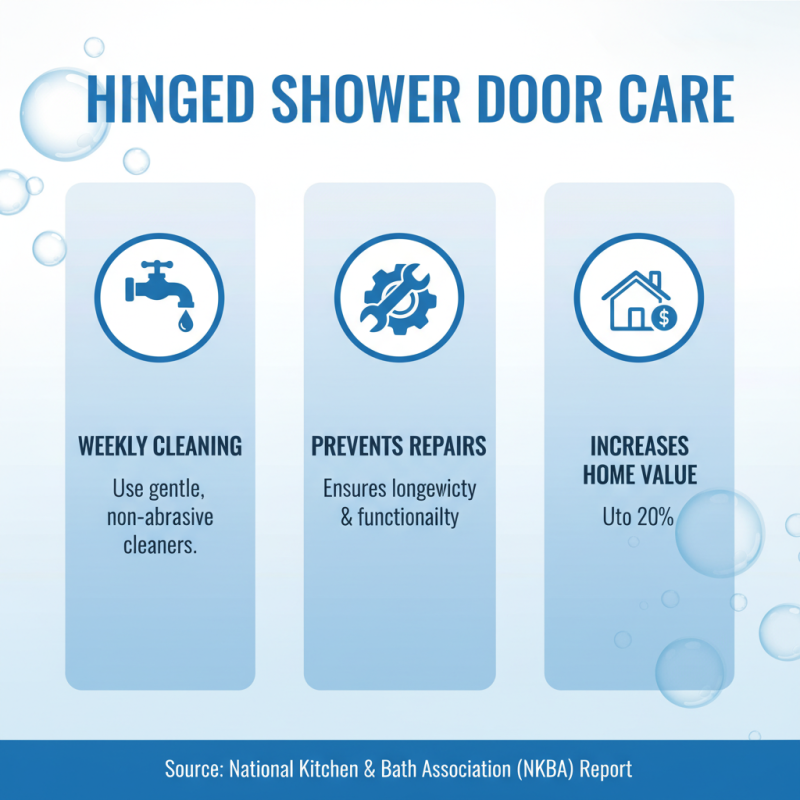
Maintaining hinged shower doors is essential for ensuring their longevity and functionality. Regular maintenance not only improves the aesthetic appeal of your bathroom but also prevents costly repairs in the long run. According to a recent report by the National Kitchen & Bath Association (NKBA), a well-maintained bathroom can increase home value by up to 20%, making it beneficial for homeowners. To keep your hinged shower doors in optimal condition, start with a weekly cleaning routine using gentle, non-abrasive cleaners to remove soap scum and mineral deposits that can accumulate over time.
Additionally, it's important to inspect the hinges and seals regularly. The American Society of Home Inspectors (ASHI) recommends checking for any signs of wear or corrosion, as these can compromise the door's sealing ability and lead to water leakage. Lubricating the hinges periodically can also reduce friction, making it easier to open and close the doors. It's advisable to wipe down the doors after each use to prevent water spots and maintain their clarity, as water damage can lead to premature replacement—a cost that can range from $300 to $1,000, depending on door type and installation complexity. By incorporating these simple maintenance tips, you can keep your hinged shower doors looking pristine and functioning effectively for years to come.