Why Choose a Shower With Sliding Glass Door?

A bathroom door changes more than the room’s appearance. It affects movement, cleaning, privacy, and everyday comfort. A Shower With Sliding Glass Door can preserve valuable floor space because its panels move along a track. That matters in compact bathrooms, where a swinging door may strike a vanity, toilet, or towel rail. The result feels calmer and more usable.

Industry research supports this practical shift. The 2024 U.S. Houzz Bathroom Trends Study highlights continued investment in bathroom upgrades, including improved functionality and more personalized designs. The National Kitchen & Bath Association’s Design Trends research also emphasizes accessibility, easy maintenance, and long-term usability. A sliding enclosure supports these priorities when its opening is wide enough and its hardware operates smoothly. Clear glass can make a narrow shower appear brighter and less enclosed. Low-profile tracks may also reduce visual clutter.

Still, this choice is not a magic fix. Poor installation can create leaks, stiff rollers, or difficult cleaning around the lower track. Water can collect there. Hard-water marks may become obvious on clear glass. The Glass Association of North America and safety-glazing standards stress the importance of properly specified, tempered glass and professional installation. These details are easy to overlook.

The strongest reason to choose this design is balance. It combines space efficiency with a clean architectural look. Yet the best enclosure depends on wall alignment, user mobility, ventilation, and maintenance habits. Measure twice. Check the track carefully. A beautiful door must also work reliably on an ordinary, busy morning.
Why Choose a Shower With Sliding Glass Door?

What Is a Shower With a Sliding Glass Door?

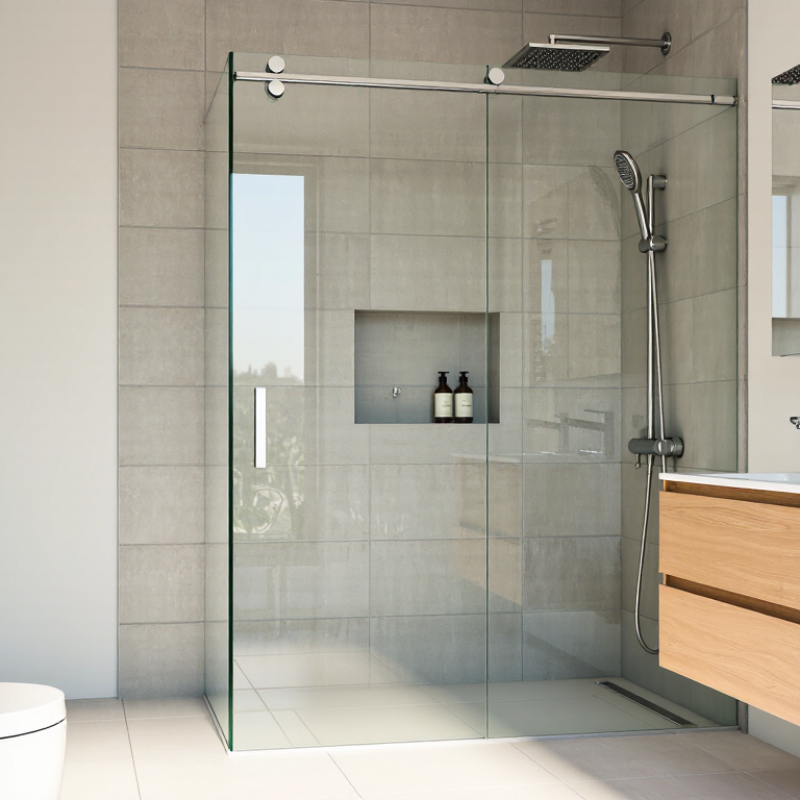
What is a shower with a sliding glass door? It is a bathroom enclosure using glass panels that move horizontally along a track. One panel usually remains fixed, while another slides beside it. Rollers, guides, seals, and a bottom track control the movement. This design needs less floor clearance than a hinged door. It suits compact bathrooms with vanities or toilets positioned nearby. Clear tempered safety glass keeps the enclosure visually open. Common thicknesses range from 6 to 10 millimeters, depending on local standards and the installation design.

The 2024 U.S. Houzz Bathroom Trends Study reported that 84% of renovating homeowners upgraded their showers. This demand reflects stronger interest in practical, comfortable shower spaces. In real installations, smooth rollers matter more than decorative hardware. Poor alignment can create noise, sticking, or uneven gaps. A professional should check wall plumb, floor slope, drain position, and waterproofing before fitting the door. The American National Standards Institute also recognizes safety requirements for architectural glazing, including impact-resistant glass testing. A sliding door is not maintenance-free. Soap residue gathers along tracks, especially where water drains slowly. Cleaning the lower channel weekly helps, but many homeowners underestimate this task. I would also avoid treating every bathroom as identical. Narrow openings, heavy glass, and weak wall framing can change the suitable configuration. Proper measurements should come before appearance.
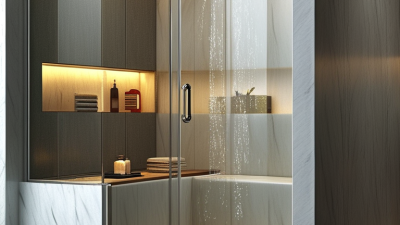
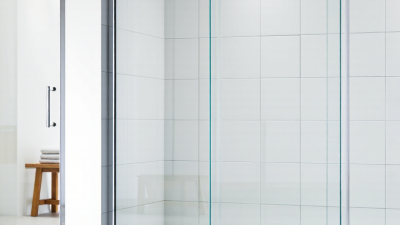
How Sliding Glass Doors Work in Modern Shower Enclosures

A sliding glass shower door moves along a metal track instead of swinging into the bathroom. Small rollers carry the glass smoothly, while a guide keeps the panel aligned. Fixed glass panels create the enclosure’s frame and limit water spray. Overlapping door edges and flexible seals help reduce leaks around the opening.

Modern systems usually use thick, tempered safety glass. This glass is designed to break into smaller pieces under severe impact. The track must be level, firmly anchored, and easy to clean. Even a small installation error can make the door drag or leave standing water. I once assumed heavier glass always meant better performance. That assumption was incomplete. Accurate alignment matters just as much as glass thickness.

Tips: Check the rollers every few months. Remove hair, soap film, and mineral deposits from the track. Use a soft cloth, not abrasive pads. Leave a small ventilation gap after showering. It helps the seals dry and may reduce mildew. If the door shifts, do not force it. A qualified installer should inspect the rollers, anchors, and wall structure. A quiet door is a useful sign. Still, silence alone does not prove that every seal is working correctly.

Why Choose a Shower With Sliding Glass Door? - How Sliding Glass Doors Work in Modern Shower Enclosures

Feature Typical Specification How It Works and Main Benefit Practical Consideration
Door Operation One or two glass panels slide horizontally along a top or bottom track. The door moves within the shower footprint, so it does not swing into the bathroom or collide with nearby fixtures. The track must remain aligned and free from hair, soap residue, and mineral deposits.
Space Efficiency Suitable for compact bathrooms where an outward-swinging door would require additional clearance. Sliding movement preserves usable floor space outside the enclosure and can simplify bathroom circulation. The enclosure still needs enough wall length for the fixed and sliding panels to overlap safely.
Common Opening Width Many residential shower enclosures use finished openings of approximately 36–60 inches (914–1,524 mm). This range accommodates many standard shower layouts while allowing the sliding panels to overlap. The exact usable entry width is smaller than the total enclosure width and depends on the panel design.
Glass Type Safety-tempered glass is commonly used; typical residential thicknesses are about 6–10 mm. Tempered glass is heat-treated for improved impact resistance and breaks into small, relatively blunt fragments if shattered. Tempered glass cannot normally be cut or drilled after treatment, so measurements must be confirmed before fabrication.
Water Management Overlapping glass panels, vertical seals, bottom guides, and a properly sloped shower threshold help control spray. The overlapping layout reduces direct openings while directing water back toward the shower area. A sliding door is not completely watertight; the showerhead position, seals, threshold, and installation quality are important.
Track Design Tracks may be installed at the top, bottom, or both, depending on the enclosure system. Rollers or guides keep the moving panel stable and help it travel smoothly along a fixed path. Bottom tracks can collect standing water and require regular cleaning; low-profile or trackless-bottom designs may simplify access.
Rollers and Guides Rollers are typically mounted to the sliding panel and run inside or along a metal track; guides limit lateral movement. A properly adjusted roller system reduces friction, noise, and panel movement during daily use. Worn rollers may cause sticking, scraping, or uneven movement and should be replaced with compatible parts.
Entry Accessibility The clear entry depends on the overall width, panel overlap, handle position, and frame configuration. The door can provide convenient access without requiring a large swing radius in front of the shower. For users requiring enhanced accessibility, verify the clear opening and threshold height against applicable local requirements.
Maintenance Routine care includes wiping the glass, drying the bottom track, and cleaning seals and rollers. Regular cleaning helps preserve transparency, reduce mineral buildup, and maintain smooth operation. Harsh abrasives and unsuitable chemicals can scratch metal finishes, damage seals, or leave permanent marks on glass.
Installation Requirements The walls should be plumb, the shower base should be level and properly sloped, and the framing must support the enclosure hardware. Accurate installation keeps the panels aligned, improves water control, and reduces stress on the rollers and glass. Out-of-square walls or an uneven threshold may require adjustment, fillers, or a custom enclosure solution.
Noise and Movement Smooth rollers, clean tracks, cushioned stops, and correctly adjusted guides help control movement. A well-maintained system can open and close quietly with limited vibration. Grinding sounds, excessive wobbling, or difficult movement indicate that the track, rollers, guides, or alignment should be inspected.
Best Bathroom Applications Alcove showers, corner showers, and layouts with limited clearance in front of the enclosure. The design combines a modern glass appearance with efficient use of floor space. A hinged or pivot door may be more suitable when a wider uninterrupted opening or easier full-access cleaning is the priority.
Specifications are typical residential planning ranges. Actual dimensions and installation requirements vary according to the enclosure design, local building regulations, and site conditions.

Key Benefits of Choosing a Sliding Glass Shower Door

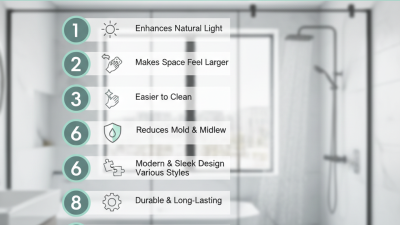
A sliding glass shower door can make a compact bathroom feel noticeably more open. Its panels move along a track, so the doorway needs no swing clearance. That saved space can accommodate a narrow vanity, towel rail, or safer walking path. In renovation projects, this flexibility often simplifies layout decisions.

Still, measurements matter.

Key benefits include easier access, better light, and a cleaner visual connection between bathroom areas. Clear glass allows daylight to reach darker corners, while textured glass offers more privacy.

Quality installations typically use safety-rated tempered glass and hardware designed for wet environments. A professional installer checks wall alignment, track level, and door movement before final fitting. Small errors can cause noisy operation or uneven sealing.

The smooth surface is also practical for routine cleaning. A quick squeegee can reduce water marks, soap buildup, and mineral deposits after bathing. It is not maintenance-free.

Tracks may collect hair and residue, especially in busy households. I would also avoid choosing sliding doors only for appearance; the opening must suit the user’s mobility and bathroom layout.

A slightly wider entry can feel more comfortable than a stylish but cramped design. Reliable measurements, suitable glass, and careful installation usually matter more than decorative details.

Important Factors to Consider Before Installation

A sliding glass door can make a compact shower feel more open. It avoids the wide swing of a hinged door. However, the installation area needs careful planning. Measure the finished walls, not the rough framing. Tiles, waterproof boards, and trim can reduce the available width.

Check the wall structure before choosing the door. Glass panels are heavy, so fasteners must reach suitable framing or approved reinforcement. A professional installer should also inspect the floor slope. Water should flow toward the drain, not collect beside the track. I once underestimated tile thickness during a renovation. The door later needed adjustment. That small mistake cost extra time.

Use safety-rated tempered glass and confirm the hardware suits a wet environment. Smooth rollers should move without grinding or sticking. Leave enough clearance for cleaning the lower track. A narrow track may look neat, but trapped soap and hair can become difficult to remove. Consider ventilation, too. Poor airflow leaves moisture around seals and wall joints. Local building requirements may address glass safety, door spacing, and waterproofing. These rules can vary by location. Ask a qualified installer to verify them before drilling. Think about daily access as well. A person with limited mobility may need a wider opening or a different door arrangement. Sliding doors save space, but they are not automatically the best choice for every bathroom.

Why Choose a Shower With a Sliding Glass Door?

Sliding doors are useful when bathroom space is limited because they do not require an outward door-swing area. The chart compares common residential planning dimensions for several shower-door configurations.

Values are typical planning ranges represented by approximate midpoints. Actual dimensions vary by enclosure design, hardware, wall conditions, and local building requirements.

Maintenance, Safety, and Design Options for Sliding Glass Doors

Why Choose a Shower With Sliding Glass Door?

Maintenance, safety, and design should guide a sliding glass door decision. A door that glides smoothly needs a level track, clean rollers, and silicone-free drainage gaps. Wipe soap residue after each shower. Once a week, rinse the lower channel and inspect seals for cracking. I have learned that “low maintenance” never means maintenance-free. Small details matter.

Safety begins with correctly specified glass. The U.S. Consumer Product Safety Commission requires architectural glazing to meet impact standards under 16 CFR Part 1201. Ask for safety glazing tested to the relevant standard, such as ANSI Z97.1. Rounded edges, a stable handle, and an anti-slip floor also reduce daily risks. Keep the entry clear. A narrow opening can feel awkward, especially when carrying towels or assisting a child. I would not rely on appearance alone; professional installation matters more than showroom polish.

Sliding doors can make compact bathrooms feel more open because they do not swing into the room. Clear glass increases visual space, while textured glass offers privacy and hides water spots. Water efficiency can support the design choice: the U.S. Environmental Protection Agency reports that WaterSense showerheads can save an average household 2,700 gallons of water yearly. That figure depends on household use, so it should not be treated as a guarantee. Houzz’s U.S. Bathroom Trends research also continues to show strong homeowner interest in upgraded shower areas, but preferences vary by home size, budget, and cleaning habits.

Subscribe To Our Newsletter

For inquiries about our products or pricelist, please leave your email to us and we will be in touch within 24 hours.

Follow Us

on our social media
  • linkedin