Why Choose a Steam Shower Room for Your Bathroom?

A Steam Shower Room is becoming a considered upgrade for homeowners seeking comfort, wellness, and better use of bathroom space. The Global Wellness Institute valued the global wellness economy at $6.3 trillion in 2023, reflecting stronger interest in everyday health routines at home. This trend supports the appeal of controlled heat, gentle steam, and a private place to unwind. Yet wellness is not automatic. A warm enclosure cannot replace medical advice, proper hydration, or realistic expectations.

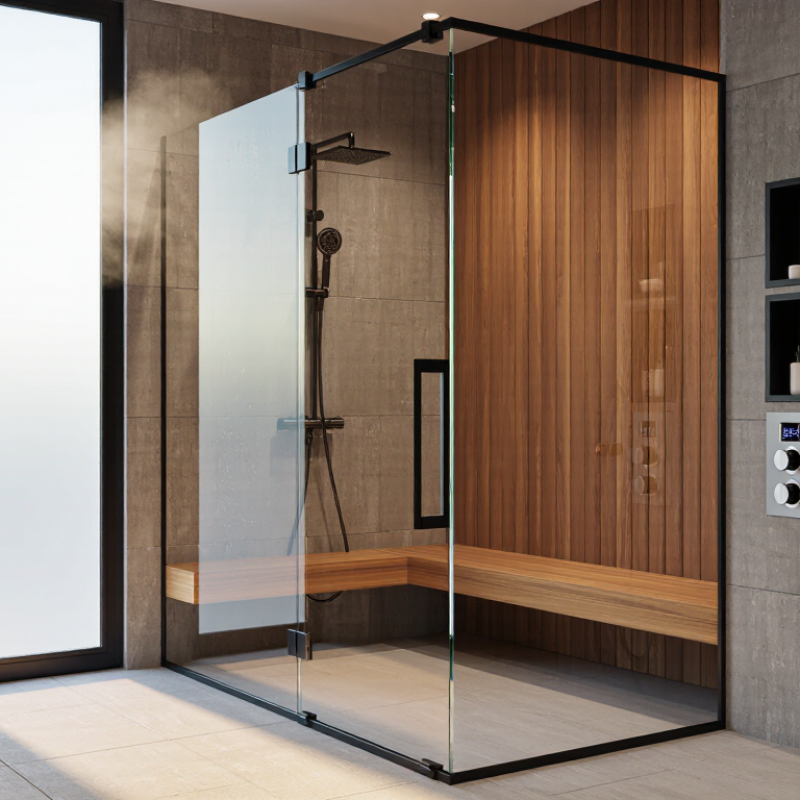
Industry research also shows changing bathroom priorities. The National Kitchen & Bath Association continues to identify wellness, accessibility, and personalized technology as important bathroom design directions. Houzz’s 2024 U.S. Bathroom Trends Study highlights ongoing investment in upgraded showers and improved daily functionality. A well-designed Steam Shower Room can answer these preferences with digital temperature controls, seating, handheld sprays, and clearer organization. Picture a quiet morning: warm mist gathers on the glass, a teak seat supports tired legs, and controls remain reachable without stretching.

Practical details matter more than glossy promises. The U.S. Environmental Protection Agency recommends effective ventilation for managing bathroom moisture, while waterproof membranes and sealed joints help protect walls and ceilings. Steam generators also require professional sizing, electrical safety checks, drainage planning, and regular cleaning. Small oversights become expensive.

Not every bathroom needs one. A compact room may feel crowded, and poor ventilation can create maintenance problems. Still, when comfort, installation quality, and long-term care are balanced, a Steam Shower Room can turn an ordinary bathroom into a more personal retreat. The decision deserves reflection, not impulse.
Why Choose a Steam Shower Room for Your Bathroom?

What Is a Steam Shower Room and How Does It Work?

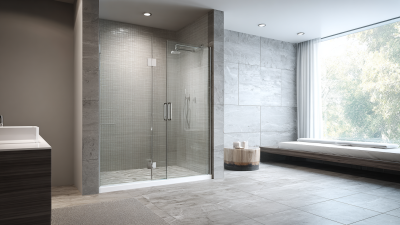
A steam shower room is a sealed shower enclosure with a compact steam generator. Unlike an ordinary shower, it fills the cabin with warm vapor. The generator heats water in a separate unit, then sends steam through a small outlet. A digital control starts the cycle and adjusts the temperature. Sensors can stop production when conditions become too hot.

The enclosure needs a tight door, non-porous surfaces, and a sloped ceiling. These details help control condensation and prevent water from dripping onto the user. A typical session may last 10 to 20 minutes.

However, hotter is not always better. Excessive heat can cause discomfort, dehydration, or dizziness. People with certain medical conditions should ask a healthcare professional before using steam therapy.

Installation requires careful planning. The room needs suitable drainage, waterproofing, electrical protection, and ventilation. A qualified installer should check the generator’s location and service access. After use, wiping glass and leaving the door open helps the room dry. This step is easy to ignore. It should not be. Mineral deposits may build up inside the generator, especially with hard water, so regular cleaning matters.

A steam shower can feel calming after a cold day, but it is not a medical treatment or a cure-all. Its comfort depends on safe temperatures, correct installation, and consistent maintenance.
What Health and Wellness Benefits Can Steam Showers Provide?

Why Choose a Steam Shower Room for Your Bathroom?

What Health and Wellness Benefits Can Steam Showers Provide?

A steam shower turns an ordinary bathroom into a warm, quiet retreat. The air becomes visibly softer as condensation gathers on the glass. Many people find humid warmth helpful when their noses feel dry or mildly congested. The effect is temporary, not a treatment for infection or chronic illness. That distinction matters.

Steam may also relax tight muscles after exercise or a long day at a desk. Warm air can make stretching feel more comfortable, especially around the shoulders and lower back. Some users report calmer breathing and easier relaxation before bedtime. The room should feel soothing, not overwhelming. Leave immediately if dizziness, nausea, or breathing discomfort appears.

Keep sessions short, often around ten minutes, and drink water afterward. Very hot steam can increase sweating and may lower blood pressure temporarily. People with heart conditions, uncontrolled blood pressure, pregnancy concerns, or respiratory disorders should ask a qualified clinician first. Children should not use steam rooms without close adult supervision. Clean the seat, floor, and nozzles regularly, because moisture encourages mold and bacteria. The wellness benefit depends on safe habits, not maximum heat.

Why Choose a Steam Shower Room for Your Bathroom? – What Health and Wellness Benefits Can Steam Showers Provide?

Wellness Dimension Potential Benefit How Steam May Help Practical Use Important Limitation
Respiratory comfort May temporarily ease the feeling of nasal dryness or congestion. Warm, moist air can hydrate irritated nasal passages and loosen mucus. Use a comfortable session of about 10–15 minutes and breathe normally. It does not treat infections, asthma, allergies, or other respiratory conditions.
Relaxation and stress management Can support a relaxing routine and help the body feel less tense. Heat encourages a calm environment and may promote subjective relaxation. Use after a busy day, with quiet lighting and sufficient ventilation. Relaxation effects vary; steam is not a substitute for professional mental-health care.
Muscle comfort May temporarily reduce the sensation of stiffness after everyday activity. Heat can increase local blood flow and make muscles feel more relaxed. Use gentle stretching after cooling down, without forcing painful movement. Persistent pain, swelling, or injury requires medical assessment.
Skin cleansing Warm moisture can soften surface oils and make normal cleansing feel more comfortable. Humidity softens the outer layer of the skin temporarily. Use a mild cleanser, rinse well, and apply moisturizer afterward. Steam does not “detox” the body or permanently shrink pores; excessive heat may aggravate sensitive skin.
Sleep preparation A calming evening routine may make it easier to transition toward sleep. Relaxation followed by gradual cooling may support a comfortable bedtime routine. Finish the session at least 30–60 minutes before bed and drink water afterward. Individual sleep responses differ, and steam is not a treatment for insomnia.
Bathroom comfort Combines ordinary showering with a private, spa-like wellness experience. On-demand steam can create a warm, humid environment without using a separate room. Use a timer, a comfortable seat, slip-resistant flooring, and a reachable control. Installation requires suitable waterproofing, ventilation, drainage, and electrical safety.
Hydration and heat safety A controlled session can be comfortable when exposure is brief and hydration is maintained. High heat and humidity reduce the body's ability to cool itself through evaporation. Drink water before and after use; leave immediately if dizzy, weak, nauseated, or short of breath. Avoid alcohol before use and do not use steam when unwell or dehydrated.
Recommended session profile A moderate routine is generally more appropriate than prolonged exposure. Many home users choose approximately 10–15 minutes at a comfortable setting rather than maximum heat. Start with shorter sessions, allow the body to cool gradually, and follow the equipment instructions. People who are pregnant or have heart disease, uncontrolled blood pressure, diabetes, or heat sensitivity should ask a healthcare professional first.

Safety note: Steam showers provide comfort and relaxation benefits, but they are not medical treatments. Keep the room clean and dry between uses, maintain ventilation, and consult a healthcare professional if you have a medical condition or take medication that affects blood pressure, sweating, or heat tolerance.

How Can a Steam Shower Improve Bathroom Comfort and Convenience?

Why Choose a Steam Shower Room for Your Bathroom?

A steam shower can make daily bathing warmer, calmer, and more convenient. Unlike a standard shower, it fills the enclosed room with controlled steam before or during bathing. The warmth may help loosen muscle tension after exercise and create a more relaxing evening routine. It feels different.

Digital controls can adjust temperature and session time without leaving the shower. A built-in bench offers comfortable seating, while a handheld showerhead helps with rinsing, cleaning, and accessibility. Good insulation also keeps steam inside, reducing moisture loss and improving comfort. However, steam is not magic. Poor sealing can leave condensation on walls, mirrors, and ceilings.

Tips: Choose easy-to-clean, non-porous surfaces and install a reliable floor drain. Use a timer, and keep the session moderate, especially for children, older adults, or anyone sensitive to heat. Proper ventilation is essential after use. A qualified installer should check waterproofing, electrical safety, vapor control, and ceiling design before construction. These details may seem minor, but they strongly affect long-term reliability.

In practical bathroom planning, maintenance is often overlooked. Wipe glass and fittings after use, inspect seals regularly, and follow the equipment’s care instructions. A steam shower should feel effortless, not like another appliance demanding constant attention.

Why Choose a Steam Shower Room for Your Bathroom?

A steam shower can improve bathroom convenience by delivering a 20-minute steam session with substantially less water than a conventional shower. This comparison uses an 8-minute shower at the U.S. EPA maximum flow rate of 2.5 gallons per minute versus an estimated 2 gallons for a 20-minute steam shower session.

Sources: U.S. Environmental Protection Agency, WaterSense; U.S. Department of Energy, Energy Saver.

What Features Should You Consider Before Choosing One?

A steam shower room can turn an ordinary bathroom into a warm, private retreat. Its enclosure must seal tightly, or steam will escape into walls and ceilings. Choose tempered safety glass, water-resistant panels, and doors with reliable seals. A built-in bench is useful, especially during longer sessions. Leave enough legroom. Small spaces can feel cramped quickly.

The steam generator deserves careful attention. Match its output to the room’s size, ceiling height, and surface materials. An accurate digital control panel makes temperature adjustment easier. Some users prefer controls inside the enclosure, while others value an external start button. Ventilation also matters. Steam should clear efficiently after use. A licensed professional should handle electrical and plumbing connections. I once underestimated maintenance access; hiding the generator too deeply can make repairs frustrating.

Tips: Check the generator’s drainage system, cleaning needs, and warranty terms before purchase. Look for an automatic shut-off feature and an emergency stop control. Smooth, non-porous surfaces are easier to clean than heavily textured tiles. Add a slip-resistant floor, soft lighting, and a door that opens outward. If anyone in the household has mobility concerns, include a low-threshold entry and secure grab bars. Personal comfort varies, so test the seating position and control layout before installation.

How Do Installation, Maintenance, and Safety Affect Your Decision?

Why Choose a Steam Shower Room for Your Bathroom?

Installation, maintenance, and safety should guide your decision more than appearance. A steam shower needs a fully sealed enclosure, moisture-resistant surfaces, and a correctly sized generator. The electrical supply should include suitable GFCI protection and professional installation. Local building requirements vary, so a licensed electrician and plumber should verify the work. I once underestimated condensation; an unprotected ceiling can drip onto your shoulders and damage joints over time.

Maintenance also affects long-term comfort. The U.S. Environmental Protection Agency recommends indoor humidity between 30% and 50%. After each session, run the exhaust fan and leave the enclosure open. Clean the steam outlet, drain, glass, and seals regularly. Mineral deposits can restrict the generator, especially where water is hard. The U.S. Department of Energy reports that water heating represents about 18% of household energy use. A steam shower may add electrical demand, so shorter sessions and proper insulation matter. The figures are useful, but household conditions differ.

Tips: Use a timer, test the emergency shutoff, and keep the floor slip-resistant. Check seals monthly. Never block ventilation. ASHRAE Standard 62.2 supports effective residential ventilation, but a bathroom fan alone may not remove every moisture problem. A small detail can become expensive. Children, older adults, and people with medical concerns should ask a healthcare professional before regular steam exposure.

Subscribe To Our Newsletter

For inquiries about our products or pricelist, please leave your email to us and we will be in touch within 24 hours.

Follow Us

on our social media
  • linkedin