Why Choose Frameless Shower Door for Modern Bathrooms?
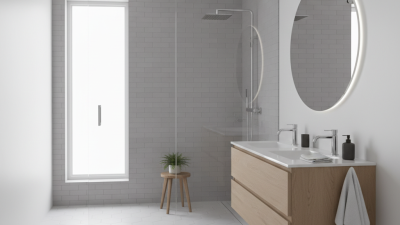
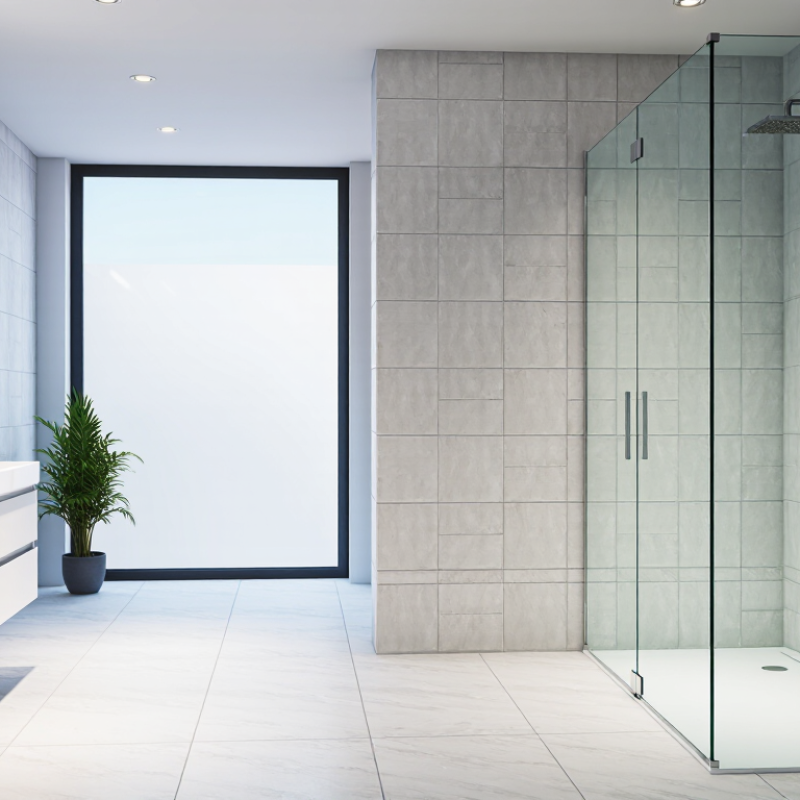
A Frameless Shower Door can make a modern bathroom feel brighter, larger, and more intentional. Its clear glass removes heavy visual borders around the shower area. Light travels across the room, even when the space is compact. The result is clean, calm, and visually connected. It feels open.
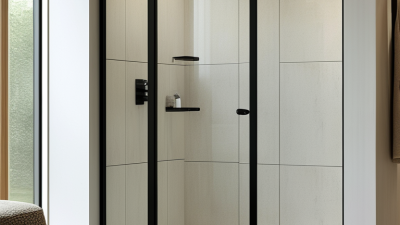
This design also supports practical bathroom planning. Without bulky frames, wall tile becomes more visible and easier to coordinate with fixtures. Quality tempered glass offers a strong, stable enclosure when selected and installed correctly. Experienced installers check wall conditions, measure carefully, and confirm that hinges support the door’s weight. Small errors can cause noticeable gaps, water leakage, or difficult operation. Details matter.
Maintenance is another reason many homeowners choose this style. A smooth glass surface has fewer channels where soap residue and moisture can collect. Still, frameless glass is not maintenance-free. Hard-water marks may appear, especially in areas with mineral-rich water. A quick squeegee after showering and regular glass-safe cleaning can help preserve its clarity. Yet the choice is not flawless. It may cost more than framed alternatives, and poor installation can reduce its advantages. Some bathrooms also need extra reinforcement behind the tile. For dependable results, compare glass thickness, hardware quality, drainage, ventilation, and installer experience. A beautiful enclosure should also open smoothly, contain water effectively, and remain secure through years of daily use. That balance makes the Frameless Shower Door a thoughtful choice, rather than merely a fashionable upgrade.
Frameless Shower Doors Defined: 3/8–1/2-Inch Tempered Glass and Minimal Hardware
Why Choose Frameless Shower Door for Modern Bathrooms?
Frameless shower doors use 3/8-inch or 1/2-inch tempered glass, equal to approximately 9.5 or 12.7 millimeters. The National Glass Association states that properly tempered glass is about four times stronger than comparable annealed glass. When it breaks, it usually crumbles into small, less-sharp granules. Safety still depends on compliance with ANSI Z97.1 and applicable safety-glazing requirements. Glass thickness is not decoration. It affects panel stability, hardware loads, and installation tolerance.
Minimal hardware creates the clean appearance many modern bathrooms seek. Hinges, clips, handles, and a narrow bottom seal remain necessary. They manage movement and reduce water escape. However, frameless does not mean maintenance-free. Field experience shows that wall alignment matters greatly. A slight out-of-plumb condition can produce uneven gaps, hinge stress, or dripping near the threshold. That is where the ideal can fail.
Choose 3/8-inch glass for many standard enclosures, while 1/2-inch glass can provide a heavier, more substantial feel. The thicker option is not automatically better. It adds weight and demands stronger supports, accurate drilling, and careful handling. Professional measurement should check tile buildup, curb slope, swing clearance, and structural backing. A beautiful panel cannot correct a weak wall or poor drainage.
Safety Requirements: ANSI Z97.1 and CPSC 16 CFR 1201 Glazing Standards
Why Choose Frameless Shower Door for Modern Bathrooms?
A frameless shower door creates a clean, open appearance with fewer metal frames. Its safety depends on the glass, hardware, and installation quality. Safety glazing should comply with ANSI Z97.1 and CPSC 16 CFR 1201 requirements. These standards address impact performance and help reduce injury risks when glass breaks.
Tempered glass is commonly used for shower enclosures. It is heat-treated and designed to break into smaller, less dangerous pieces. However, tempered glass is not unbreakable. A tiny edge chip, rough handling, or incorrect drilling can weaken the panel. That detail is easy to overlook. Ask for compliance documentation before purchase. Check for a permanent safety marking on the glass when applicable.
Professional installation also matters. The installer should inspect every edge, keep the panel supported, and use hardware designed for the glass thickness. Hinges must align correctly, and the door should open without striking nearby surfaces. A beautiful door can still become unsafe if it is forced against a wall or installed on an unstable surface. Local building requirements may add further conditions, so project plans should be reviewed carefully. I would not rely on appearance alone. Clear glass looks simple, but safe performance requires tested materials, careful measurement, and disciplined installation.
Why Choose Frameless Shower Doors for Modern Bathrooms?
Safety-glazing impact classifications under ANSI Z97.1 and CPSC 16 CFR 1201
Frameless shower doors use large glass panels, so safety glazing is essential. ANSI Z97.1 Class B and CPSC 16 CFR 1201 Category I use a 150 ft·lbf impact-energy classification, while ANSI Z97.1 Class A and CPSC Category II use 400 ft·lbf. The applicable code, product specification, and installation requirements should always be verified for the project location.
Reference basis: ANSI Z97.1 safety-glazing classifications and CPSC 16 CFR 1201 architectural glazing impact categories.
Space Planning: Achieving a 32-Inch Clear Opening for Accessible Bathrooms
Why Choose Frameless Shower Door for Modern Bathrooms?
A frameless shower door creates a cleaner sightline and makes compact bathrooms feel less crowded. Its real value appears during careful space planning. For accessible bathrooms, the opening must be measured after installation, not from the door size alone. The 2010 ADA Standards require at least 32 inches of clear width for accessible door openings. This measurement is taken with the door opened 90 degrees. Hinges, seals, handles, and nearby walls can reduce usable clearance.
A 32-inch clear opening also needs a safe approach zone. Keep the swing path clear of the toilet, vanity, and grab bars. A sliding frameless panel may reduce conflicts, but its track and hardware still need inspection. The U.S. Access Board identifies clear floor space and maneuvering clearance as essential accessibility factors. A door can meet the width target and still feel difficult to use.
The detail is easy to miss.
I would not trust a tape measure alone. Review the finished opening, handle position, and wheelchair turning path together. AARP’s 2024 Home and Community Preferences Survey reported that 75% of adults aged 50 and older want to remain in their current homes. That finding supports adaptable bathroom planning. The National Kitchen & Bath Association also continues to identify universal design as a major bathroom trend. Frameless glass supports visibility, but it does not replace proper clearance. Local codes may require more than 32 inches, so final drawings deserve a qualified review.
Light and Visual Space: How Glass Transparency Supports Modern Bathroom Design
Why Choose Frameless Shower Door for Modern Bathrooms?
A frameless shower door uses clear glass to make a bathroom feel larger and brighter. Natural light can travel through the enclosure instead of stopping at a heavy frame. This creates visual continuity between the shower, floor, and vanity area. In smaller bathrooms, that openness can reduce the sense of crowding. From practical bathroom projects, I have seen how transparent glass makes pale tiles appear more spacious. It also gives modern fixtures a cleaner visual setting. Yet glass is not magic. Water spots, towels, and clutter remain visible.
Tips: Choose glass thickness and hardware suited to the enclosure size. Ask a qualified installer to verify wall strength, drainage, door clearance, and safety-glass compliance. Keep a simple squeegee nearby. Small habits matter.
Clear glass often supports a calm, architectural style, but privacy needs careful thought. Textured or lightly patterned glass can soften visibility while preserving daylight. A fixed panel may create less visual weight than a swinging door, especially beside a narrow vanity. Precise measurements are essential because uneven walls can affect alignment and sealing. I once underestimated how strongly dark grout highlights water marks; the design looked excellent, but maintenance became more noticeable. That experience changed my advice: select transparency with daily cleaning and household privacy in mind.
Maintenance Factors: Comparing Frameless Hardware, Seals, and Protective Coatings
Why Choose Frameless Shower Door for Modern Bathrooms?
Frameless shower doors expose less metal, but the remaining hardware works harder. In daily installations, I inspect hinges, clamps, and screws for water spots and loose movement. Stainless steel resists corrosion, yet it is not corrosion-proof. Rinsing mineral deposits after use helps prevent rough, stained surfaces. The National Association of Home Builders estimates shower doors can last about 20 years, but poor maintenance can shorten that figure.
Seals deserve closer attention. A clear bottom sweep can harden, split, or collect soap within a few years. Water then reaches the floor, wall joints, and hardware. The U.S. Environmental Protection Agency recommends controlling moisture and repairing leaks quickly to reduce bathroom damage. That advice applies here. Check the seal monthly, especially near the door corners. Do not use abrasive pads. They can scratch glass and damage protective finishes.
Protective coatings may reduce mineral adhesion, but they do not eliminate cleaning. The Glass Association of North America emphasizes using compatible cleaners and avoiding harsh chemicals on architectural glass. A pH-neutral cleaner and a soft microfiber cloth are safer choices. In hard-water homes, weekly wiping may be realistic; daily wiping is better, though rarely maintained. That is the honest weakness. A frameless design looks effortless, but its performance depends on small habits, accurate installation, and timely seal replacement.