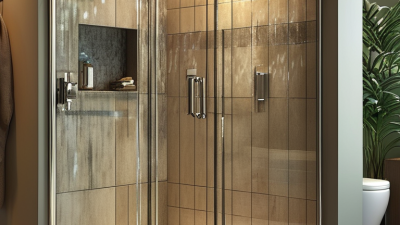
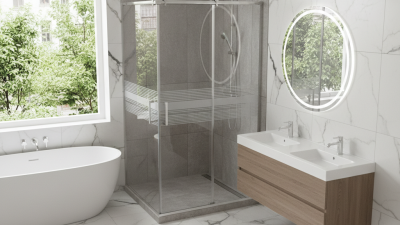
A bathroom can feel noticeably larger when the shower door slides instead of swinging outward. Sliding Shower Glass uses the wall area efficiently, leaving more space for towels, storage, and daily movement. Its clear panels also carry light across the room, especially in narrow bathrooms with limited windows. The result is clean, practical, and visually calm.
The choice is not only about appearance. A professional installer will examine wall strength, floor level, opening width, and nearby plumbing before recommending a system. Tempered safety glass is commonly selected because it is designed for bathroom use and breaks into smaller pieces if damaged. Smooth rollers, corrosion-resistant hardware, and well-fitted seals can make the door easier to operate and maintain. Small details matter. A poorly aligned track may collect water, create noise, or make the panel feel heavy.
Sliding designs are not flawless. Tracks need regular cleaning, and hard-water marks can become stubborn around the lower rail. A frameless model may look elegant, but it often demands more precise installation and careful glass handling. That trade-off deserves honest consideration. A thoughtful decision balances style, accessibility, ventilation, cleaning habits, and the bathroom’s actual dimensions. Measuring twice helps.
For homeowners, reliable guidance begins with the room rather than a trend. Review the glass thickness, hardware warranty, installation method, and maintenance instructions. Ask whether replacement rollers and seals are available locally. With suitable planning and qualified installation, Sliding Shower Glass can provide a durable enclosure that feels open without sacrificing everyday function.
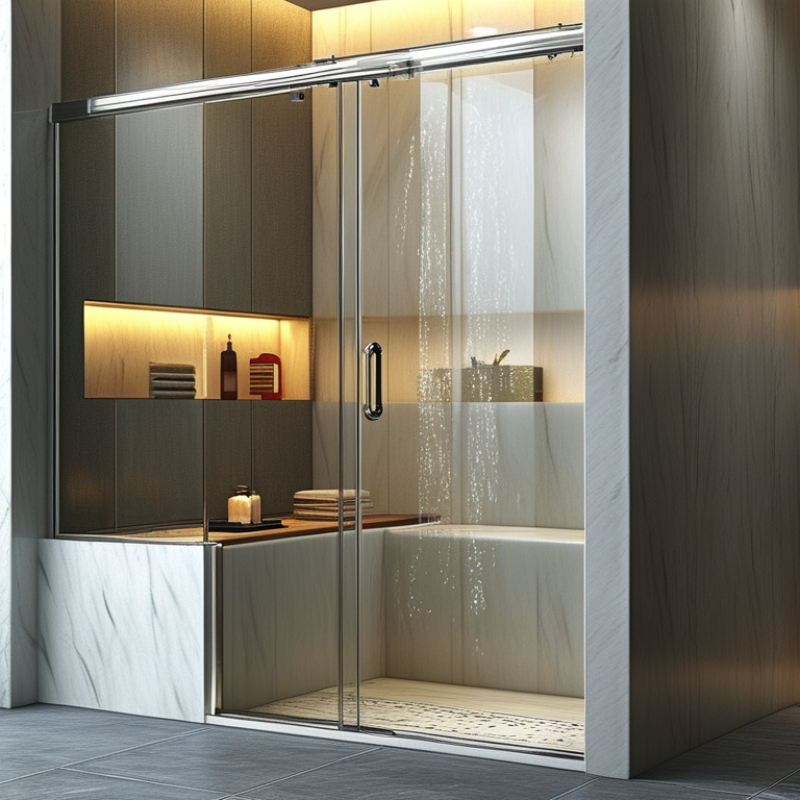
Why Choose Sliding Shower Glass for Your Bathroom?
Sliding shower glass is a shower enclosure with panels that move along metal tracks. Usually, one panel slides behind another. This bypass design saves floor space near the bathroom entrance. It works well beside vanities, toilets, or narrow walls.
Clear tempered glass creates a brighter, more open shower area. It also shows tile patterns and grout lines clearly. The U.S. Consumer Product Safety Commission identifies tempered glass as a safer glazing choice because it breaks into smaller fragments. The 2024 U.S. Houzz Bathroom Trends Study reports that many renovating homeowners are upgrading shower areas for better function and comfort. That shift supports practical designs, not only decorative ones. Still, sliding glass is not maintenance-free. Hair, soap residue, and mineral deposits can collect around rollers and tracks. I learned this the hard way.
Tips: Choose corrosion-resistant hardware and smooth, adjustable rollers. Ask the installer to verify wall levels before fitting the enclosure. Leave enough overlap between panels to reduce water escape. A squeegee after each shower helps. Small habits matter. Inspect seals every few months, because worn seals can quietly cause leaks.
Sliding shower glass uses movable glass panels that travel along a track instead of swinging outward. The chart shows common glass thicknesses used in different shower-door configurations. Actual specifications may vary by local building codes, enclosure size, and installation requirements.
What is sliding shower glass? It is a shower enclosure system with one or more panels that slide horizontally along a track. This design helps save swing space, supports a clean modern appearance, and allows natural light to pass through the bathroom.
Sliding shower glass works through a simple guided movement. One panel stays fixed, while another rides on rollers inside a top track. When you pull the handle, the rollers transfer weight along the track, while lower guides prevent swinging. Overlapping panels close the opening without creating a wide door arc. This saves floor space beside a vanity or toilet. A 2024 U.S. Bathroom Trends Study, covering 1,337 renovating homeowners, identified shower upgrades as a leading remodeling choice. That interest makes daily operation worth examining, not merely admiring.
Installers check wall framing, floor level, and opening width before fitting the glass. A few millimeters matter. Tempered safety glass, commonly 8 to 10 millimeters thick, works with calibrated rollers and seals. Track geometry directs water toward the shower area, while clear seals limit splash at the overlap. The National Kitchen & Bath Association’s 2024 bath design report emphasizes accessible clearances and aging-in-place planning. Sliding panels can support that goal when the opening is wide enough and the track moves smoothly. They are not maintenance-free. Soap scale, hair, and grit can stiffen rollers. A poorly leveled rail may leave water at the threshold. In field inspections, this small detail often causes frustration. Clean the track weekly, inspect fasteners, and replace worn seals early. One compromise remains: overlapping glass never opens as widely as a fully hinged door. Measure real movement, not brochure promises.
| Data Dimension | Typical Sliding Shower Glass Information | How It Works or Why It Matters | Practical Bathroom Benefit |
|---|---|---|---|
| Door movement | One or two glass panels slide horizontally along a top or bottom track. | Rollers or wheels guide the panel instead of requiring a hinged swing arc. | The entrance uses less clearance space than an outward-opening door. |
| Common door configuration | Bypass, single-sliding, or fixed-panel-and-sliding-door layouts. | The moving panel passes beside a fixed panel or another sliding panel. | Configurations can suit alcoves, corner enclosures, and compact bathrooms. |
| Typical glass thickness | Common residential options are approximately 6–10 mm (about 1/4–3/8 inch). | Thicker tempered glass generally feels more substantial, while the frame and hardware must be matched to the load. | Provides a balance among rigidity, appearance, weight, and hardware requirements. |
| Safety glazing | Tempered safety glass is commonly used for shower doors and panels. | When broken, tempered glass is designed to fragment into relatively small pieces rather than large sharp shards. | Improves safety, although the glass should never be drilled, cut, or modified after tempering. |
| Track function | The track supports or guides the rollers and keeps the panel aligned. | Rollers transfer the panel load while guides help limit lateral movement. | A correctly aligned track helps the door move smoothly and quietly. |
| Water management | Bottom guides, seals, overlaps, and threshold details help control splash. | Sliding panels overlap or meet seals rather than closing with a simple hinged-door sweep. | Proper installation reduces water escaping, but no shower door is completely splash-proof. |
| Space requirement | The door needs horizontal wall or enclosure length, but little or no swing space. | The panel travels within the shower footprint or directly beside the fixed panel. | Useful where a vanity, toilet, towel rail, or narrow walkway is near the shower entrance. |
| Maintenance focus | Clean glass, seals, guides, tracks, and rollers regularly. | Soap residue and mineral deposits can increase friction and interfere with drainage or alignment. | Routine cleaning helps preserve smooth movement and reduces buildup around the track. |
| Accessibility consideration | The usable opening depends on the panel overlap and enclosure design. | Only part of the total enclosure width may be available as an entry opening. | Measure the clear opening carefully if wheelchair access or wider entry is required. |
| Installation requirements | Walls, curb, or base must be level, plumb, and strong enough for the selected hardware. | Small alignment errors can affect roller contact, door gaps, and water control. | Accurate measuring and professional installation can improve safety and long-term operation. |
| Best fit for | Compact bathrooms, shower alcoves, corner showers, and modern frameless-style designs. | The sliding mechanism works well when a hinged door would conflict with nearby fixtures. | Creates a clean entry solution while preserving usable floor area outside the shower. |
Note: Actual glass thickness, clear opening, hardware capacity, and installation requirements vary by enclosure design and local building regulations.
Sliding shower glass can make a bathroom feel wider without requiring a door swing. Its panels move along tracks, preserving space near the toilet or vanity. In smaller bathrooms, this can improve movement and reduce awkward contact with fixtures. Clear glass carries daylight across the enclosure, while textured glass adds privacy. Choose wisely. The door should match daily habits, not only showroom appearance.
The key benefit is controlled access. A well-fitted sliding door opens smoothly and helps keep water inside. Tempered safety glass is essential, but thickness and hardware require professional assessment. In my experience, track quality affects cleaning more than many homeowners expect. Low-profile tracks collect less residue, yet no track stays spotless without care. Measure the opening at several points. Walls are rarely perfectly square. That check may prevent costly adjustments later.
Tips: Leave clearance for handles and confirm the door overlap before installation. Wipe the glass after each shower with a soft squeegee. Use mild cleaner. Abrasive products can dull surfaces. Inspect rollers and seals every few months. If movement feels rough, do not force it. The fitting may need correction. A frameless appearance looks elegant, but it can require more attention to water spots and exposed edges.
Sliding shower glass can make a compact bathroom feel wider, but its performance depends on careful design and installation. The door needs a clear opening, a stable wall, and enough floor space for safe movement. Measure the finished opening, not the rough framing. A small error can create leaks, uneven gaps, or a door that strikes the vanity.
Door type matters. A bypass door suits narrow bathrooms because it needs no swing area. A single sliding panel feels lighter, but it requires stronger hardware and accurate alignment. Installers should confirm wall blocking before tile work begins. Tempered safety glass should meet applicable safety standards, such as ANSI Z97.1. Glass thickness also affects weight, hardware selection, and handling. Thicker is not automatically better.
Water control deserves equal attention. The enclosure should include properly positioned seals, a level threshold, and a slight slope toward the drain. The EPA WaterSense specification limits certified showerheads to 2.0 gallons per minute, compared with the federal maximum of 2.5 gallons. That may reduce splash volume, but it cannot correct poor door alignment. The 2024 Houzz U.S. Bathroom Trends Study also shows continued homeowner investment in upgraded shower areas, making installation quality more important. In practice, even careful plans need revision. Tile thickness, out-of-plumb walls, and hidden pipes often change the final measurement. Clean glass is attractive, but maintenance access should not be an afterthought.
Sliding shower glass can make a bathroom feel open, but its long-term condition depends on regular care. In homes I have inspected, most problems began with small deposits, not major damage. Hard-water spots collect along the lower track and slowly dull the glass. Wipe the panels after each shower with a soft squeegee. It takes less than a minute. Keep the door slightly open afterward so trapped moisture can escape.
Clean the glass weekly with warm water and a mild, non-abrasive cleaner. Avoid rough pads, powdered products, and acidic mixtures that may damage seals or metal finishes. Use a microfiber cloth, then dry the edges carefully.
The track needs attention too. Remove hair and grit with a soft brush or vacuum attachment before wiping it. Never force a stiff door. A misaligned roller, loose screw, or blocked track can worsen quickly. I once ignored a faint scraping sound, and the roller later needed replacement. That small mistake was avoidable.
Inspect silicone seals every few months for gaps, brittleness, or dark staining. Replace damaged seals promptly to limit water reaching walls and flooring.
Check handles and rollers for movement, but tighten hardware gently. Overtightening can crack fittings or stress the glass.
If the panel chips, cracks, or shifts, stop using the enclosure and contact a qualified glass professional. Maintenance is simple, though not always convenient.