Why Choose Chrome Sliding Shower Doors for Modern Bathrooms?

Modern bathrooms are becoming brighter, more compact, and easier to maintain. Chrome Sliding Shower Doors support all three goals. Their reflective finish catches light, while sliding panels preserve valuable floor space. This matters in smaller bathrooms, where a hinged door can strike a vanity, towel rail, or narrow walkway.

The 2024 U.S. Houzz Bathroom Trends Study reports that shower improvements remain among the most common renovation priorities. Houzz also identifies cleaner layouts and upgraded shower features as strong homeowner interests. The National Kitchen & Bath Association’s 2024 Design Trends Research similarly highlights wellness, accessibility, and durable materials. These findings suggest that a shower enclosure must look attractive and perform reliably. Style alone is not enough.

“Hardware should disappear into the experience, not interrupt it,” says Lori Jo Krieger, a certified kitchen and bath designer. Her observation fits Chrome Sliding Shower Doors especially well. Smooth rollers, properly aligned glass, and corrosion-resistant finishes create a quieter daily routine. Still, chrome is not maintenance-free. Water spots can dull its shine, particularly in hard-water regions. A quick wipe after bathing remains sensible. That small habit is easy to overlook.

This guide examines design value, installation details, safety considerations, cleaning demands, and long-term performance. It also questions a common assumption: a polished finish does not automatically mean superior quality. Frame construction, tempered safety glass, drainage, seals, and professional fitting deserve equal attention. A beautiful door can still disappoint when those hidden details are ignored.
Why Choose Chrome Sliding Shower Doors for Modern Bathrooms?

What Are Chrome Sliding Shower Doors?

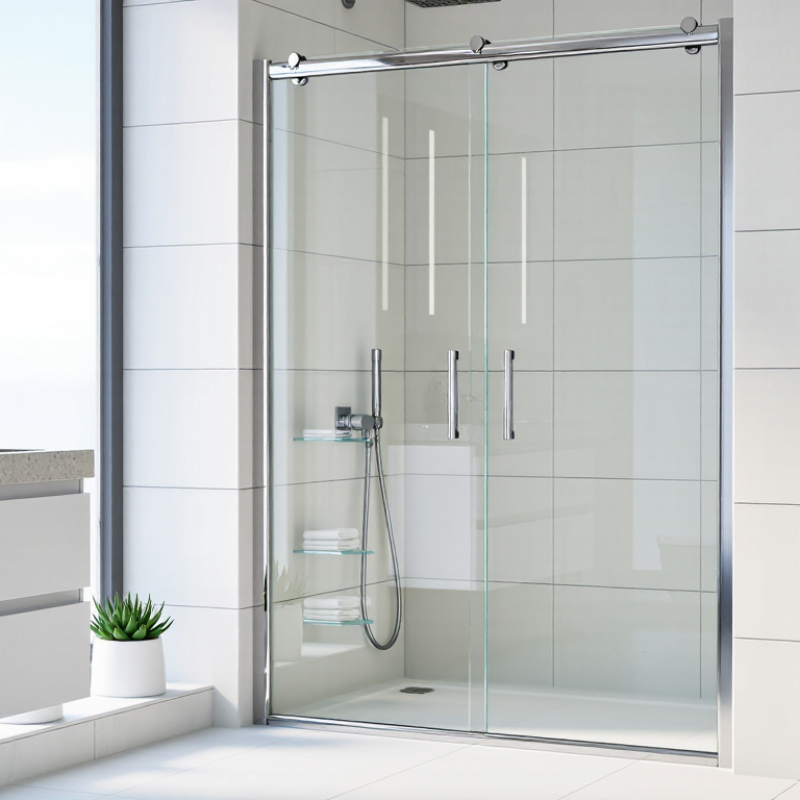
Chrome sliding shower doors are glass panels that move along horizontal tracks. Chrome describes the reflective finish on the frame, rollers, and handles. It is not solid chrome throughout. Most units use tempered safety glass, aluminum framing, stainless hardware, or combinations of these materials.

One panel usually stays fixed. The other overlaps and glides beside it. This layout saves swing space in compact bathrooms. It also creates a clean, hotel-like appearance.

The choice reflects a wider renovation pattern. Houzz’s 2024 U.S. Bathroom Trends Study reports that 78% of renovating homeowners upgraded their shower. That figure does not prove every buyer wants a sliding door. It does show how central shower design has become.

In practical installation work, accurate wall measurement matters more than shiny hardware. Uneven walls can make rollers drag. Poor drainage can leave water beneath the track. Small errors become daily annoyances.

Chrome is practical, but it is not maintenance-free. Water spots and soap film show quickly on reflective surfaces. Wiping the glass after use helps, while abrasive cleaners can dull the finish.

Check that the glass and fittings meet applicable safety requirements, such as ANSI Z97.1 where relevant. The U.S. Environmental Protection Agency’s WaterSense specification limits certified showerheads to 2.0 gallons per minute, compared with the federal maximum of 2.5.

A door does not reduce water use by itself. That distinction is easy to miss. Buyers should also test handle reach, track clearance, and roller smoothness before choosing a model.
How Chrome Frames Enhance Modern Bathroom Design

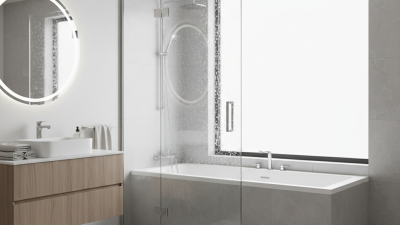
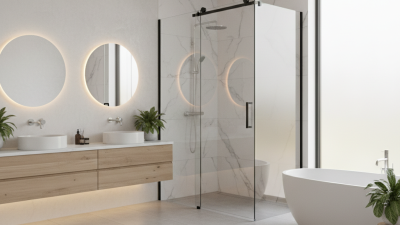
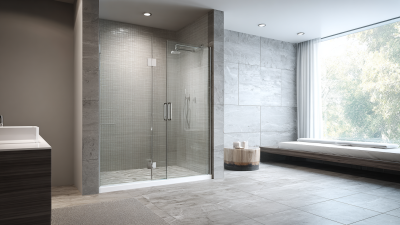
Chrome sliding shower doors suit modern bathrooms because their frames add structure without making the room feel crowded. In bathroom projects I have inspected, polished chrome reflects ceiling light and makes narrow spaces appear brighter. Its cool tone also pairs well with white tile, concrete finishes, and warm wood cabinetry. The result feels clean, but not entirely clinical.

A well-made chrome frame should have even joints, smooth rollers, and a stable wall connection. These details matter more than a shiny surface. Tempered safety glass supports daily use, while properly aligned tracks reduce splashing and noisy movement. Chrome does show water spots quickly, especially in hard-water areas. I have found that small stains become stubborn when cleaning is delayed. That weakness should not be ignored.

Tips: Wipe the frame after each shower with a soft cloth. Use a mild bathroom cleaner, and avoid abrasive pads that can dull the finish. Check the rollers every few months for stiffness or uneven travel. Ventilation also matters, because constant moisture can affect seals and nearby fixtures. Measure the opening carefully before installation; even a few millimeters can create alignment problems. Some homeowners prefer a flawless finish, but real bathrooms rarely stay perfect. The practical goal is lasting order, not showroom silence.

Key Features and Benefits of Chrome Sliding Doors

Why Choose Chrome Sliding Shower Doors for Modern Bathrooms?

Chrome sliding shower doors combine a bright finish with practical space management. Their panels move along sturdy tracks, so they need less clearance than hinged doors. This suits compact bathrooms with vanities, toilets, or narrow walkways nearby. The reflective surface also spreads light across pale tiles. Rooms can feel more open.

Key features include tempered safety glass, smooth rollers, adjustable frames, and sealed track channels. Tempered glass is designed to break into smaller pieces if severely damaged. Quality rollers should glide without scraping or sudden resistance. During installation, accurate wall measurements matter greatly. A small error can cause leaks or uneven movement.

Chrome finishes resist ordinary bathroom moisture, but they are not maintenance-free. Wipe water from the frame after bathing. Mild soap and a soft cloth usually prevent mineral buildup. Avoid abrasive pads, which may dull the surface. I have found that neglected tracks collect hair and residue surprisingly fast. That detail is easy to miss. Some doors also allow slight water escape when the floor slopes poorly, so professional fitting remains valuable. A careful installer checks level, seal contact, and drainage before final adjustment.

Why Choose Chrome Sliding Shower Doors for Modern Bathrooms?

Sliding shower doors move horizontally along a track, so they do not require a door-swing arc into the bathroom. By comparison, pivot and hinged doors commonly need approximately 30–36 inches of front clearance during planning. Chrome frames and hardware also provide a clean, reflective finish that complements modern bathroom designs.

How to Choose the Right Chrome Shower Door

Why Choose Chrome Sliding Shower Doors for Modern Bathrooms?

How to Choose the Right Chrome Shower Door

Chrome sliding shower doors can make a small bathroom feel cleaner and more open. Their reflective finish catches ceiling light without needing extra decoration. Yet appearance should not lead the decision. Measure the opening at the top, middle, and bottom. Walls are rarely perfectly square. A few millimeters can affect smooth movement and water control.

Choose tempered safety glass with a suitable thickness for the door’s size and structure. Clear glass highlights tilework, while frosted glass offers more privacy. Inspect the sliding system closely. Rollers should move quietly, resist corrosion, and remain accessible for adjustment. A sturdy bottom guide matters, but it should not become a dirt trap. Check that the chrome coating covers exposed metal evenly. Small defects may become noticeable after repeated cleaning.

Think about daily use, not only installation day. Confirm the opening direction and nearby fixtures before ordering. Flexible seals should meet the wall and threshold without forcing the panels. Ask a qualified installer about glass safety standards and local requirements. Drying the frame regularly can reduce mineral buildup in hard-water areas. No shower door stays flawless forever. I would accept a minor visual compromise rather than choose weak hardware. An attractive door still fails if cleaning becomes irritating.

Installation, Maintenance, and Long-Term Care

Why Choose Chrome Sliding Shower Doors for Modern Bathrooms?

Chrome sliding shower doors suit modern bathrooms because their reflective finish brightens compact spaces. Clean lines also pair well with stone, tile, and simple fixtures. However, appearance depends heavily on accurate installation. Small errors matter.

Before fitting the frame, measure the opening at the top, middle, and bottom. Walls are rarely perfectly square. Use a level, suitable wall anchors, and the recommended fasteners for the wall material. Place protective pads beneath the glass during handling. I have seen doors drag because installers rushed the track alignment. The rollers should move smoothly without scraping or forcing. Follow the supplied instructions, and ask a qualified installer when the wall structure is uncertain.

Daily care is uncomplicated. Rinse soap from the glass after showering, then remove water with a soft squeegee. Keep it dry. Use a mild, non-abrasive cleaner and a microfiber cloth on the chrome surfaces. Avoid harsh powders, blades, and acidic solutions, which can dull the finish or damage seals. Check the rollers, guide, handles, and silicone joints every few months. Tighten loose hardware carefully, but do not over-tighten it. Replace cracked seals promptly to limit water leakage. I sometimes neglect this inspection myself, and that is a useful reminder: small maintenance tasks prevent expensive repairs. Ventilation also matters, especially in bathrooms that remain humid after use.

Why Choose Chrome Sliding Shower Doors for Modern Bathrooms? - Installation, Maintenance, and Long-Term Care
Category Evaluation Dimension Typical Data or Recommendation Practical Benefit Suggested Care Interval
Design Frame and hardware finish Polished or brushed chrome appearance Reflects light and coordinates with many contemporary bathroom fixtures without requiring a large visual footprint. Wipe dry after use
Space Planning Door opening movement Panels slide along a horizontal track The doors do not swing outward, which helps preserve usable floor area in compact bathrooms. Check track monthly
Typical Dimensions Common door width Approximately 1,200–1,800 mm This range suits many standard tub and shower enclosures, but the finished opening must be measured before ordering. Measure before purchase
Typical Dimensions Common door height Approximately 1,780–1,930 mm A taller enclosure can reduce splash escape, provided the ceiling, plumbing, and installation area allow sufficient clearance. Confirm site clearance
Glass Safety Safety glass specification Tempered safety glass; often 6 or 8 mm thick Tempered glass is designed to break into smaller granules rather than large sharp shards if it fails. It should not be drilled or cut after tempering. Inspect for chips
Installation Wall and opening preparation Walls should be plumb, level, waterproofed, and structurally sound Accurate preparation helps the panels roll smoothly and reduces stress on rollers, seals, and fasteners. Verify before fitting
Installation Typical professional fitting time About 2–4 hours for a straightforward enclosure Actual time varies with wall conditions, enclosure size, tile layout, adjustment requirements, and removal of an existing door. Allow extra site time
Installation Water management Bottom guide, seals, and a correctly sloped threshold These components direct water toward the drain and help limit leakage at the meeting edges and lower track. Inspect every 3 months
Daily Maintenance Post-shower cleaning Use a squeegee or soft microfiber cloth Removing standing water reduces mineral deposits, soap film, and moisture exposure on chrome surfaces and glass. After each use
Routine Cleaning Glass and chrome cleaning solution Mild, non-abrasive, pH-neutral cleaner Gentle products help protect the finish, seals, and glass. Test any new cleaner on a small concealed area first. Weekly or as needed
Hard-Water Control Limescale prevention Dry surfaces frequently; use a suitable descaler when needed Regular drying is more effective than allowing calcium deposits to build up and become difficult to remove. Daily drying; monthly check
Track and Rollers Sliding performance Track should remain free of hair, grit, and soap residue A clean track reduces drag and helps prevent premature wear or noisy operation. Clean monthly
Hardware Care Rollers, guides, handles, and fasteners Check for looseness, corrosion, cracks, or uneven movement Early adjustment or replacement can prevent misalignment and protect the glass from unnecessary stress. Inspect every 3–6 months
Seal and Joint Care Flexible seals and silicone joints Keep clean, dry, and free from mold or separation Damaged seals or failed joints can allow water behind the enclosure and should be repaired promptly. Inspect quarterly
Long-Term Use Expected service life Often 10+ years with proper installation and care Actual longevity depends on water quality, usage frequency, cleaning habits, hardware quality, and timely replacement of wear parts. Annual condition review
Safety Handling and repairs Do not force jammed panels or modify tempered glass Use a qualified installer for glass removal, drilling, realignment, or replacement to reduce the risk of breakage and injury. Professional service when needed

Subscribe To Our Newsletter

For inquiries about our products or pricelist, please leave your email to us and we will be in touch within 24 hours.

Follow Us

on our social media
  • linkedin