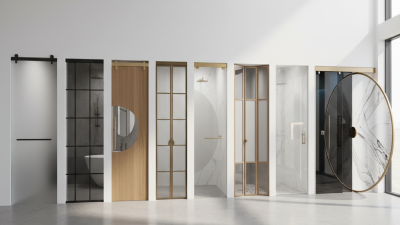
Choosing shower glass is rarely just about appearance. In a small bathroom, the door affects movement, light, cleaning, and daily comfort. After comparing installations and maintenance needs, I have learned that minor details matter. A soft-close runner can prevent harsh impact. Clear glass can make a narrow room feel larger. Yet fingerprints show quickly. No option is perfect.
This guide explores the Top 10 Sliding Door Shower Glass Types to Know, from clear and frosted panels to tinted, patterned, and low-iron glass. Each type changes privacy, brightness, visual space, and upkeep. We will examine thickness, edge finishing, hardware compatibility, and water exposure. These factors deserve attention before measuring an opening. A beautiful panel is useless if the track cannot support it safely. That mistake happens.
Reliable selection requires more than product photographs. Glass should be specified by a reputable supplier and assessed by an experienced installer. Tempered safety glass, suitable seals, stable rollers, and accurate wall measurements are essential considerations. Always confirm local building requirements with a qualified professional. The final choice should fit your routine, not only a showroom trend. Think of wet hands, soap residue, and a towel placed nearby. Those small realities often reveal the best design. Maybe the most expensive glass is not the wisest choice. This overview aims to make that decision clearer, practical, and easier to question.
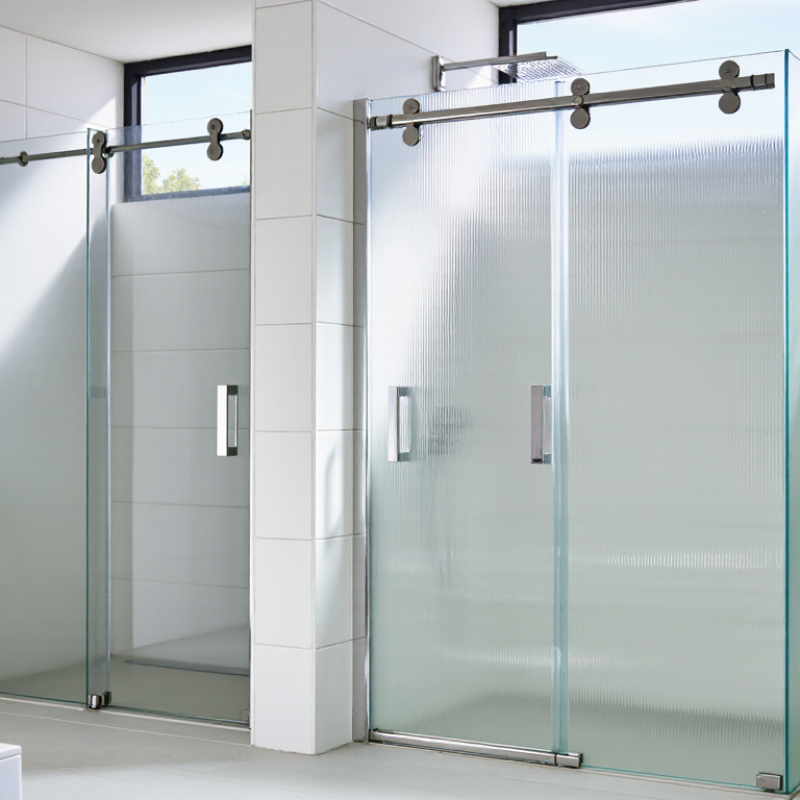
Sliding shower glass is classified by more than appearance. The ten common types include clear, ultra-clear, frosted, acid-etched, patterned, tinted, low-iron, laminated, tempered, and coated glass. These categories describe transparency, color, surface texture, construction, and maintenance performance. A clear tempered panel gives maximum visibility. Frosted or patterned glass provides more privacy. Low-iron glass reduces the green edge seen on thicker panels.
Construction matters most near water and moving hardware. The Glass Association of North America explains that tempered glass is roughly four times stronger than annealed glass of similar thickness. However, it can still break from edge damage. ANSI Z97.1 and the U.S. Consumer Product Safety Commission’s 16 CFR 1201 address safety glazing performance for shower enclosures. Laminated glass holds fragments together after breakage, but it is heavier and needs compatible rollers. Coatings can reduce mineral buildup, although they do not remove cleaning needs. That detail is often overlooked.
Tips: Check glass thickness, edge quality, roller capacity, and safety markings before choosing a style. Measure the opening at the top, middle, and bottom. Walls are rarely perfectly square. In practical installations, a beautiful panel may fail when the track cannot absorb that variation. I still think “maintenance-free glass” is an overstatement. Hard-water deposits eventually challenge every surface, especially around the lower guide. Choose classification by bathroom use, not only by showroom lighting.
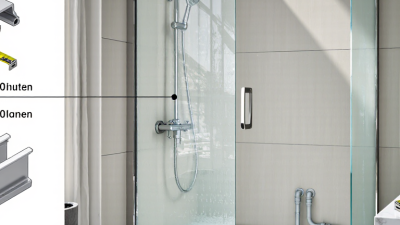
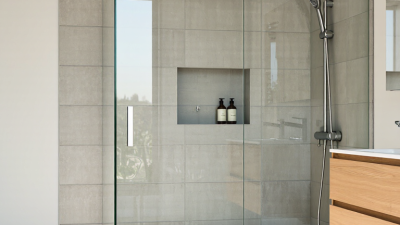
Clear glass remains the most practical choice for many sliding shower doors. It allows light to pass through freely and makes a compact bathroom feel larger. Standard clear glass may show a faint green edge, especially along thicker panels. You will also notice water spots quickly. Regular wiping helps, but it does not remove the need for proper cleaning. In my installation experience, clear glass works best when the shower has attractive tilework or limited natural light.
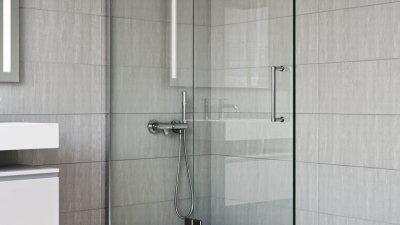
Ultra-clear glass uses low-iron material to reduce the green appearance. Its edges look cleaner, and white tile usually appears more accurate behind it. This option can make pale stone, grout, and metal finishes look sharper. However, it still collects soap residue and mineral deposits. It is not maintenance-free. I once recommended it for a bright bathroom, but the owner disliked how visible every splash became.
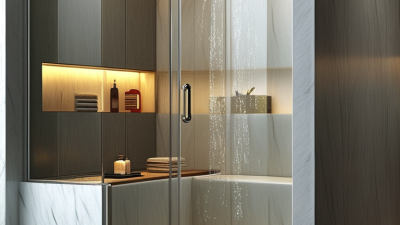
Tinted glass, often gray, bronze, or soft blue, adds privacy and visual warmth. Darker tones can soften strong lighting and hide light water marks better than clear glass. They may also make a small shower feel enclosed. Gray tint suits modern interiors, while bronze can complement warmer tiles and wood tones. Before ordering, confirm the glass thickness, door weight, and hardware compatibility with a qualified glass professional. Local safety requirements should guide the final specification.
Top 10 Sliding Door Shower Glass Types to Know?
Frosted, patterned, and rain glass remain practical choices for sliding shower doors. Clear glass creates the most open visual space, while frosted glass offers stronger privacy. Rain glass uses vertical texture to soften silhouettes and disguise water marks. Other options include reeded, seeded, hammered, satin, acid-etched, tinted, and low-iron glass. The 2024 U.S. Houzz Bathroom Trends Study surveyed more than 1,300 renovating homeowners, confirming that shower-area upgrades remain a common renovation priority. However, appearance should not control every decision. A dark pattern may reduce the feeling of space.
Pattern depth matters. Light rain texture is easier to clean than heavily embossed glass, where soap residue can collect. Frosted surfaces can also show mineral deposits under strong bathroom lighting. Installers should confirm door weight, wall alignment, handle clearance, and drainage before ordering. Sliding panels need accurate rollers and a level threshold. Small errors become noisy movement.
Safety comes first. Shower glass should be safety glazing meeting applicable requirements, such as ANSI Z97.1 and CPSC 16 CFR 1201. Professional installers also inspect edges, corners, and hardware tolerances. Maintenance data is less glamorous, but important: drying the glass after use reduces mineral buildup. Still, no texture eliminates cleaning. Rain glass hides spots; it does not remove them. My practical preference is restrained patterning in compact bathrooms, though personal privacy needs may justify heavier frosting.
| No. | Glass Type | Visual Effect | Privacy Level | Light Transmission | Cleaning Considerations | Best Suited For |
|---|---|---|---|---|---|---|
| 1 | Clear Glass | Smooth, transparent, and visually open | Low | Very high | Water spots and soap residue are easy to see; regular squeegeeing is recommended | Modern bathrooms, small spaces, and designs that emphasize openness |
| 2 | Frosted Glass | Soft, translucent surface with a matte appearance | High | Medium to high | The textured surface can hold residue, so gentle, non-abrasive cleaning is preferred | Shared bathrooms and homeowners seeking stronger visual privacy |
| 3 | Rain Glass | Vertical water-drop pattern with a natural, flowing look | Medium to high | Medium | Raised patterns require attention around grooves and edges | Nature-inspired bathrooms and transitional interiors |
| 4 | Reeded Glass | Evenly spaced vertical ribs with a refined architectural feel | Medium to high | Medium | Ridges may collect mineral deposits and need detailed wiping | Contemporary, minimalist, and Japandi-style bathrooms |
| 5 | Fluted Glass | Bold linear texture with stronger light and shadow variation | Medium to high | Medium | Deeper channels can make cleaning more time-consuming | Statement shower enclosures and industrial-inspired spaces |
| 6 | Seeded Glass | Small bubbles distributed throughout the glass for a vintage effect | Medium | Medium to high | Generally manageable, although the uneven pattern can hide residue | Farmhouse, cottage, vintage, and relaxed bathroom designs |
| 7 | Obscure Glass | Diffused image with a cloudy or softly distorted appearance | High | Medium | Texture and opacity can make streaks less noticeable but still require routine care | Bathrooms where privacy is more important than transparency |
| 8 | Hammered Glass | Irregular, dimpled texture that creates a handcrafted appearance | High | Medium to low | Uneven contours can require extra care during wiping | Decorative bathrooms and rustic or artisan-inspired interiors |
| 9 | Acid-Etched Glass | Uniform satin finish with a smooth, contemporary appearance | High | Medium to high | Use mild cleaners and avoid abrasive pads that can damage the finish | Elegant, minimalist, and spa-inspired shower rooms |
| 10 | Textured Patterned Glass | Decorative geometric or organic pattern with varying levels of distortion | Medium to high | Medium | Cleaning difficulty depends on the depth and complexity of the pattern | Custom-looking interiors and bathrooms needing decorative privacy |
Note: Shower door glass is commonly specified as safety glazing, such as tempered glass, and should be selected according to applicable local building codes and installation requirements.
Textured, obscure, and acid-etched glass add privacy without making a compact bathroom feel closed in. These options sit among the most practical choices for sliding shower doors. Textured glass bends light through raised patterns, such as rain, wave, or reed designs. Obscure glass offers softer visibility and hides water spots better than clear glass. Acid-etched glass creates a smooth, permanently frosted surface, though fingerprints may remain noticeable.
According to Houzz’s 2024 U.S. Bathroom Trends Study, 33% of renovating homeowners upgraded their shower area. That demand reflects a stronger focus on comfort and visual privacy. The National Kitchen & Bath Association’s 2024 trend reporting also highlights larger, more personalized shower spaces. Still, privacy glass can reduce natural light. I have seen heavily patterned glass make a narrow enclosure feel dim. That detail is easy to overlook.
Tips: Ask for a full-size sample before ordering. View it beside your tile and under bathroom lighting. Choose smaller patterns for tight rooms. Check the glass thickness, edge finishing, and door hardware compatibility. Tempered safety glass remains essential, but installation quality matters just as much. Poor alignment can cause dragging, noise, and premature seal wear.
Sources: Houzz, 2024 U.S. Bathroom Trends Study; NKBA, 2024 Bathroom Design Trends Report.
Sliding shower doors can use clear, frosted, tinted, patterned, rain-textured, fluted, hammered, low-iron, laminated, or tempered glass. Safety comes before appearance. In most installations, tempered safety glass is essential because it breaks into small, blunt fragments rather than sharp shards. Confirm the required thickness, edge treatment, and safety-glazing certification with local building authorities. Requirements vary by location. A qualified installer should also verify wall strength, door clearance, and secure hardware before drilling.
Maintenance is simple but consistent. After each shower, use a rubber squeegee to remove water from the glass and lower track. Wipe mineral deposits with diluted vinegar only when compatible with the finish. Avoid abrasive pads, metal scrapers, and harsh powders. Inspect the rollers, seals, handles, and glass edges every few months. A tiny chip can become a serious failure point. Do not ignore it.
Selection depends on more than visual style. Clear glass makes a narrow bathroom feel larger, while textured glass offers privacy and hides water marks. Thicker glass may feel sturdier, but the wall and track must support its weight. Soft-close hardware can reduce impact, although it still needs adjustment. Choose smooth tracks that are easy to clean, especially in hard-water areas. I have seen attractive doors perform poorly because drainage was overlooked. That detail matters. Measure carefully, allow ventilation, and ask for written installation and care instructions before purchase.