China Top Bathroom Glass Door Suppliers How to Choose?
Choosing a China-based supplier for a Bathroom Glass Door takes more than comparing prices. The right partner should understand glass processing, hardware compatibility, packaging, and the demands of daily bathroom use. A clear catalog helps, but it cannot answer every question. Details matter.
Start by checking the supplier’s experience with the door type you need, such as hinged, sliding, or frameless designs. Ask about glass thickness, edge finishing, coatings, hinges, handles, and available size tolerances. Request product specifications and relevant quality records, then confirm how each item is checked before shipment. If possible, review a sample or arrange an independent inspection. A clean showroom is useful. It is not proof of consistent production.
Communication deserves equal attention. Can the supplier explain customization limits, confirm drawings, and provide realistic lead times? Ask how glass panels and metal fittings are packed, since a strong product can still arrive damaged. Clarify warranty terms, replacement procedures, and who handles issues after delivery. These points may feel routine, but they often reveal how the business works when something goes wrong.
This guide will help buyers compare suppliers with practical questions rather than polished claims alone. No checklist can remove every risk, and supplier information may need verification. That is worth admitting. The goal is to make a better-informed choice, balance cost against workmanship and service, and find a supplier whose answers remain specific from the first inquiry to the final shipment.
What Makes a China Bathroom Glass Door Supplier Reliable?
A reliable China bathroom glass door supplier can explain how each panel is made, tested, and packed. Ask for glass specifications, thickness options, edge-finishing details, and hardware materials. Clear answers matter. If a salesperson cannot explain how the hinges are secured or how glass is protected during shipping, pause before paying a deposit.
Request recent production photos and a sample of the finish, not only polished catalog images. Check whether quality inspections cover dimensions, surface marks, and door alignment. A useful supplier will share inspection records and discuss what happens when a batch does not meet agreed requirements. Confirm lead times, packaging methods, and replacement procedures in writing. Details prevent disputes.
Communication is part of reliability. Send a simple drawing with opening measurements, then see whether the supplier flags practical issues, such as wall unevenness or handle clearance. That response can reveal real experience. Still, one good conversation proves little; verify documents and, where possible, arrange an independent factory inspection. No checklist is perfect. I would also leave room for a human error: even careful teams can miss a detail, so ask how problems are reported and corrected.
Which Bathroom Glass Door Type Fits Your Project?
The right bathroom glass door depends on the room, not appearance alone. The room decides. A sliding door suits narrow bathrooms because it needs no swing clearance. Measure the finished opening, including wall tiles and floor slope. Small errors can create water leaks. A pivot door works better in a wider enclosure with clear space outside. It provides a clean entry, but the swing area must remain unobstructed. For compact layouts, a folding door can save space, although its hinges need careful cleaning.
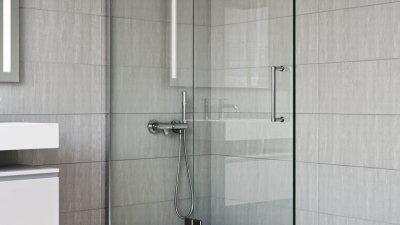
Framed doors offer strong support and tolerate slight wall movement. They suit rental units, busy family bathrooms, and uneven older walls. Semi-frameless designs reduce visible metal while retaining useful stability. Frameless doors create an open, high-end appearance, yet they demand accurate installation and rigid walls. They also show fingerprints and mineral spots quickly. Not always the best choice. Measure twice.
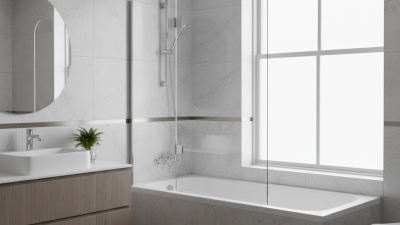
For a walk-in shower, fixed panels work well when the floor slope directs water toward the drain. A short panel may look elegant but can allow spray onto nearby cabinets. Choose tempered safety glass, polished edges, corrosion-resistant hardware, and seals suited to wet areas. Ask suppliers for drawings, load details, test documents, warranty terms, and replacement hardware availability. Confirm who handles site measurement and installation. Reliable suppliers should explain limitations, not promise every design will fit. Check door clearance with a towel bar installed. Details matter.
How to Verify Glass Quality, Safety, and Certifications
Choosing a bathroom glass door supplier in China starts with evidence, not attractive product photos. Ask for the glass specification, including thickness, heat-treatment process, batch number, and edge-finishing method. For shower doors, properly tempered safety glass should show consistent clarity and clean, polished edges. Look closely. Tiny chips, white edge marks, or uneven holes deserve a written explanation. A practical check is comparing the approved sample with the production batch under bright, angled light. This simple step often reveals handling damage that catalog images hide.
Request the latest test reports, certification documents, and factory quality records. The documents should identify the exact glass type, thickness, test scope, production date, and issuing laboratory. Do not accept a certificate with missing pages or mismatched product details. Verify the report through the laboratory’s public contact channel, rather than relying on a PDF from sales staff. Ask whether the certification covers the finished door or only the raw glass. That difference matters. Also inspect packing photos, because certified panels can still arrive scratched or cracked after poor transport.
During a factory video call, ask the supplier to show the tempering line, glass racks, inspection tools, and traceability labels. A reliable team can explain rejection rates and corrective actions without changing the subject. Request a small pre-production sample and test the hinges, seals, alignment, and closing force. The door should move smoothly, without scraping the floor or stressing the glass. I would not treat a polished showroom as proof of consistent quality. Remote verification has limits. An independent inspection before shipment remains a sensible safeguard.
How to Assess Production, Delivery, and After-Sales Service
When comparing bathroom glass door suppliers in China, assess production with evidence, not showroom samples alone.
Ask for monthly capacity, current order load, glass thickness records, tempering certificates, and inspection logs. Request a live or recorded walkthrough of cutting, edge polishing, drilling, and packing. A clean sample proves little if batch controls are weak. The 2023 World Bank Logistics Performance Index compares 139 economies across six areas, including shipment timeliness and tracking. Use those measures as context, then ask suppliers for their own on-time delivery rate and how they calculate it.
Delivery reliability depends on more than the factory’s promised date.
Confirm the production schedule, packaging method, port handoff, and who updates you when a shipment slips. Ask for dated photos of packed crates and clear labels showing project references. Test the response with a practical question before ordering: how will a damaged panel be identified and replaced? Small details matter. A precise estimate is useful, but it can still miss seasonal congestion or a late hardware change.
After-sales service should be specific and written.
Check response hours, spare-part availability, replacement lead times, and who pays for verified transit damage. Ask for sample claim forms and anonymized case timelines, not just reassuring promises. Keep one point of contact through installation. Even a capable supplier may communicate unevenly across teams; that deserves a frank conversation before payment, not after the glass arrives.